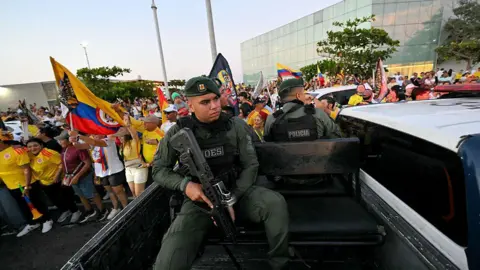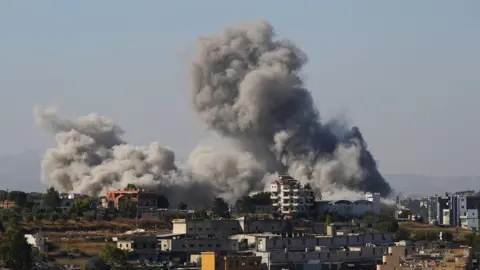
Colombia’s 2026 presidential election is unfolding against a widening national conflict that has left hundreds of thousands dead and forced millions into displacement. The violence is the backdrop that defines voters’ choices this Sunday.
In Bogotá, aid centre staff recount harrowing tales:
"My brother was murdered for refusing an extortion payment…in front of his children," says Edilma Martinez Flores, who fled her hometown in Cali after armed groups began leaflet‑campaigns demanding residents leave or face violence. She is one of many victims whose experiences have turned insecurity into a top election issue.
The surge of violence is tied to the rapid expansion of illegal armed groups. FARC dissident factions, the National Liberation Army (ELN) and the Clan del Golfo have doubled in membership over the last five years, seizing rural zones crucial to drug trafficking and illegal mining.
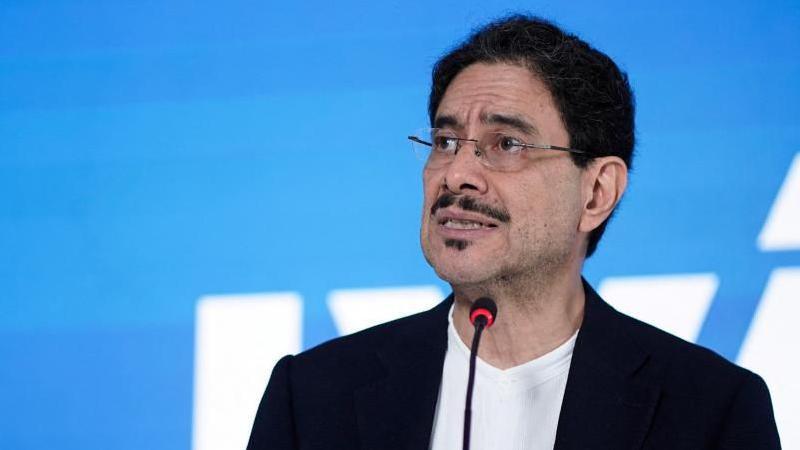
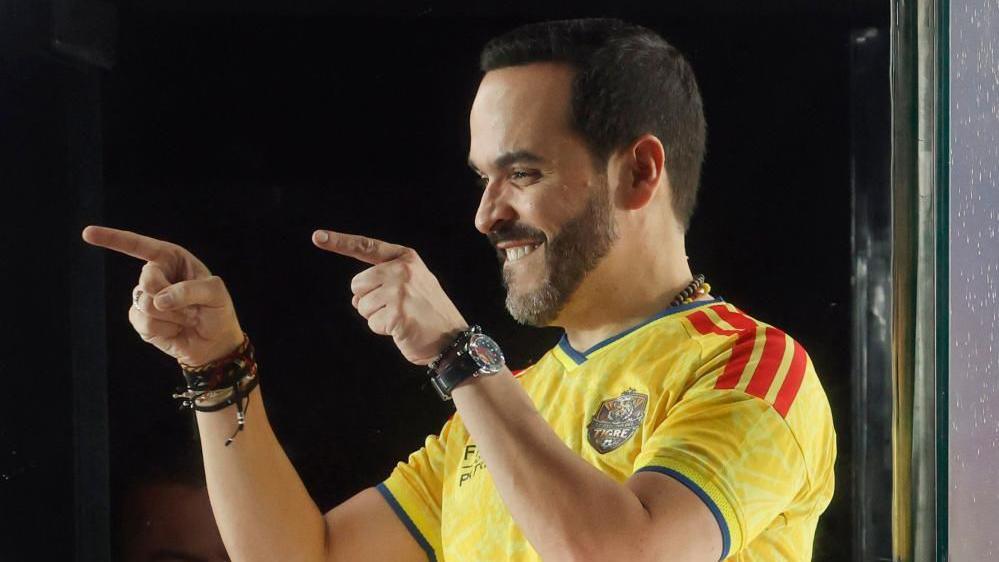
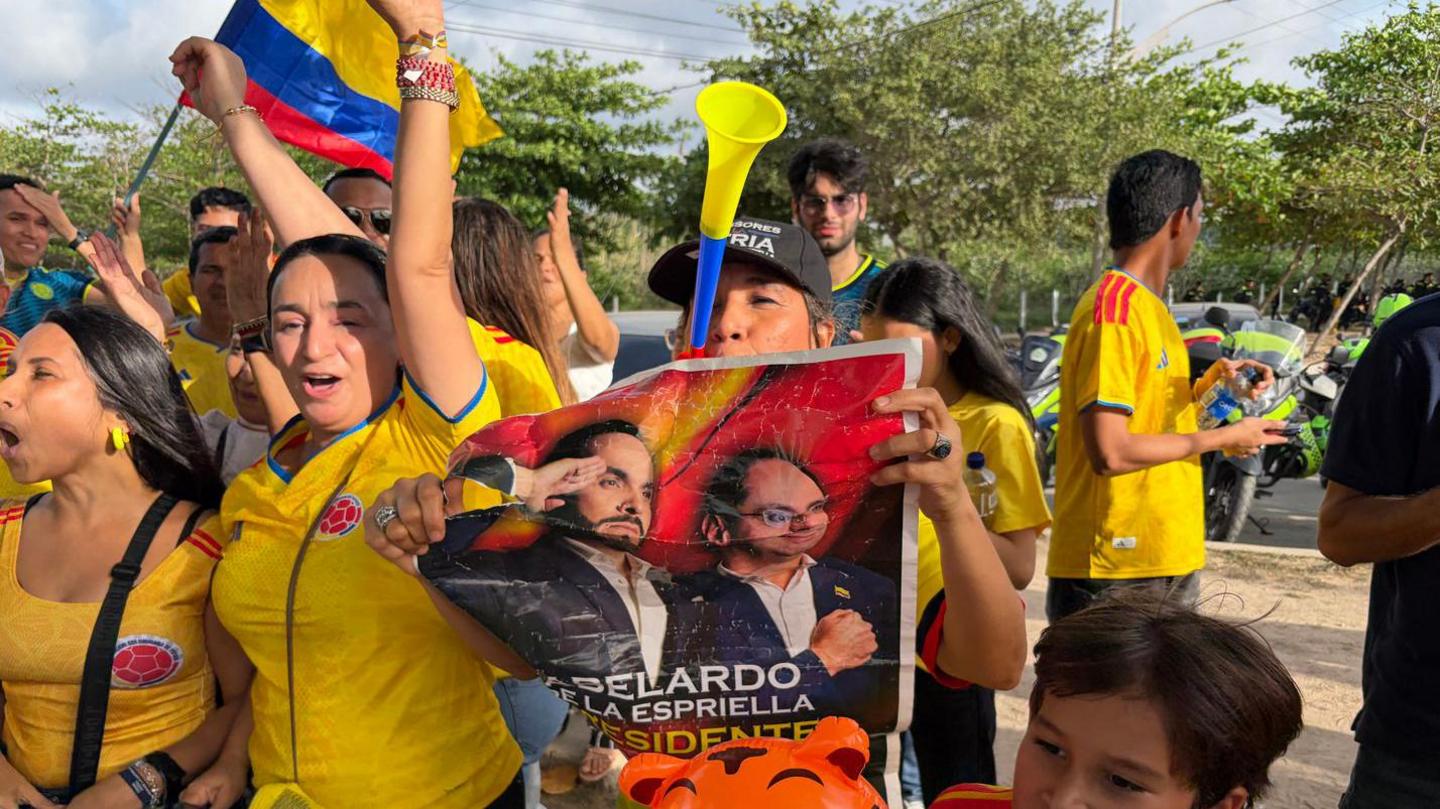
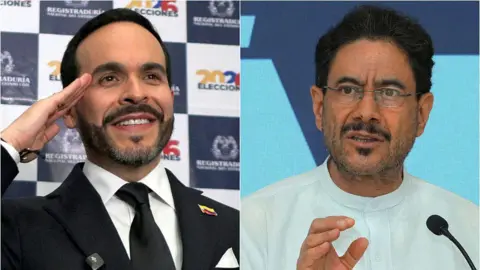
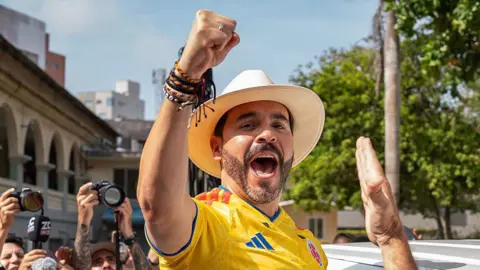
On the ballot, left‑wing senator Iván Cepeda, architect of President Gustavo Petro’s "total peace" strategy, offers continued negotiation and social transformation. His plan has been criticized for allowing armed groups to grow during cease‑fires, yet supporters argue it saves lives. His opponent, businessman Abelardo de la Espriella – dubbed "El Tigre" – has pledged ten mega‑prisons, a hard‑line military crackdown and the end of talks with insurgents, backed by Donald Trump’s endorsement.
Voters are split by ideology and personal experience. Alejandro Reuters cites the growing displacements: 300% increase between 2024 and 2025, driven by rising cocaine production and gaps left after FARC demobilisation in 2016. The government’s strategy is seen as a weak carrot for criminal groups, according to Isabelita Mercado Pineda, a government advisor for peace, victims and reconciliation.
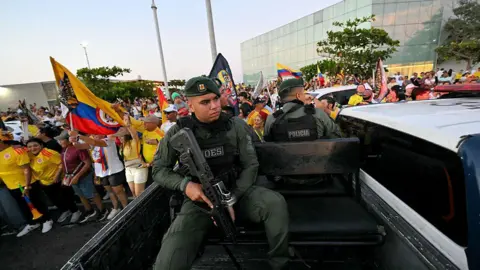
While some fear a return to the violent politics of the past, others hope for a peaceful compromise. Young supporters of Cepeda, like Catalina La Grande, argue for a blend of state repression and social programmes to tackle root causes of insecurity. Meanwhile, de la Espriella’s base in the Caribbean coast rallies for a tougher stance on drug trafficking and armed groups, with supporters like Sandra Caballero calling for direct U.S. aid rather than negotiation.
The final outcome will determine whether Colombia deepens its ties to the United States under a hard‑line security model or continues a negotiated approach to a decade‑long conflict. With the nation’s future at stake, the election remains a crescendo of hope and fear alike, reflecting Colombia’s urgent need to break the cycle of violence and displacement.