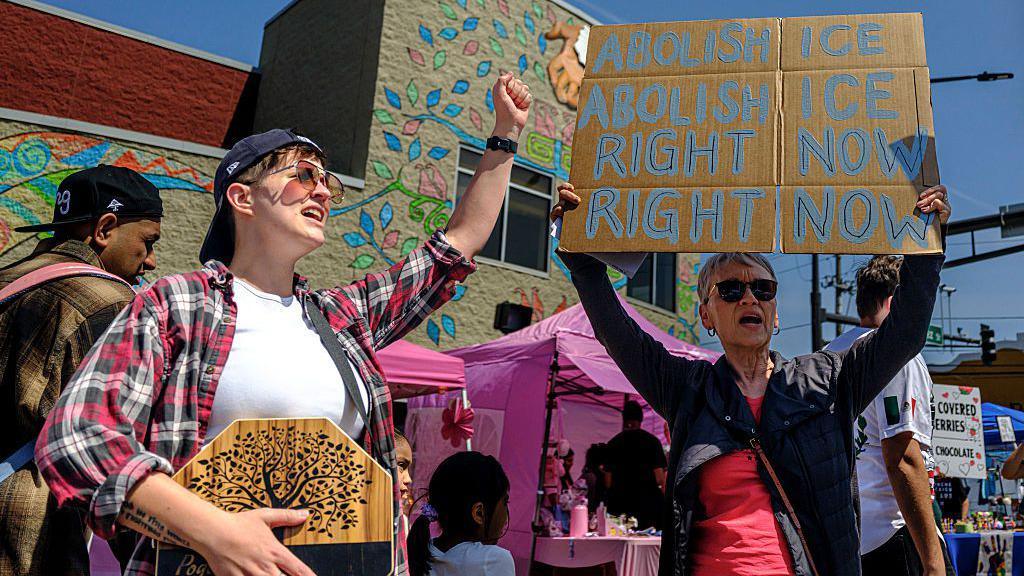
Two years after the termination of Operation Metro Surge, an aggressive federal raid targeting so‑called "vicious criminals" that swept through Minneapolis and St Paul, residents still talk in hushed tones about the still‑present threats of ICE agents. The heavy presence of federal immigration officials, the sharp decline in business revenue on Lake Street, and ongoing legal tech even after the raids live on in the everyday anxiety of many.
Aliah’s story
Aliah, a 20‑year‑old asylum seeker who escaped Afghanistan in 2021, dreamed of learning and working in a new country. Instead, when ICE and CBP agents began marching on streets, churches and schools in December 2021, she turned to survival mode, reminding herself each day that if federal agents returned, she would have nowhere to go. While she holds a green card, her speech to the BBC admits that she is still scared.
Financial fallout
In the heart of Minneapolis, the Lake Street corridor, an area known for its Somali and Latin‑American business community, saw a 50 percent loss in storefronts during the peak of the raids. The local council estimated a monthly revenue drop of more than $30 million. The U.S. Immigration Policy Center reported that workers from both Minneapolis and St Paul lost around $240 million in wages, while the Twin Cities signed a combined loss of $610 million in business revenue.
Federal enforcement still on the ground
Although the Minneapolis raid was officially pulled after a month, ICE still maintains a fleet of 482 agents in the state, according to a lawsuit from the ACLU of Minnesota. In suburban and rural borders, officers demand proof of citizenship and even defend the right to detain immigrants in state facilities. “The deportation machine has turned surgical; there is less activity in city centers, but out in the suburbs people still get approached,” says Morgan Budiandri of the Minnesota Immigrant Rights Action Committee.
Legal uncertainty for refugees
US Citizenship and Immigration Services launched a re‑vetting program for 5,600 refugee applications in Minnesota that had not yet received green cards. Over 50 percent of the recent arrests were people without criminal convictions; the DHS states that the arrests of convicted entrepreneurs and gang members are rescue missions. Critics argue that denial of safety and re‑interview without legal counsel threatens the status of those who offer to keep their lives safe in America.
Economic impact on community life
When the raids began, now‑working parents fled their jobs out of fear of being arrested. Many stayed home, causing a significant loss in wages for the city’s workforce, while the 8 percent rise in eviction filings in 2026 points toward a tenuous housing market. While a DHS spokesperson insisted on “the incalculable cost of American lives saved,” it remains difficult for the small‑businesses across St Paul and Minneapolis to recover from the deep region‑wide losses.