
In brief
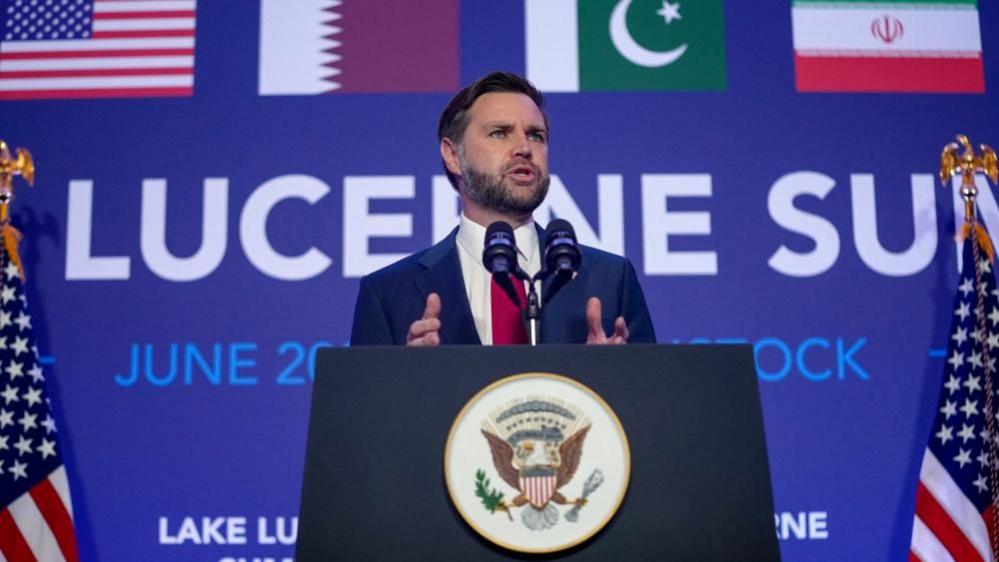
Iran’s foreign ministry denied the United States Vice‑President JD Vance’s announcement that nuclear inspectors would be welcomed back into the country after recent talks in Switzerland. Vance said inspections could begin as soon as today, but Iranian officials insisted no new commitments had been made and that any inspection would follow existing legal procedures. Meanwhile, the U.S. has eased sanctions, permitting Iranian oil trade in U.S. dollars for a 60‑day period to support economic relief. Negotiations also cover reopening the Strait of Hormuz and establishing a de‑confliction protocol, with a roadmap toward a final deal set for 60 days.
Iran’s foreign ministry rebuffed a statement from U.S. Vice‑President JD Vance that nuclear inspectors would soon be welcomed back into the country after the first round of talks in Switzerland.
Vance said that discussions with the International Atomic Energy Agency (IAEA) could begin “as soon as today,” suggesting a rapid return of inspectors. However, Iranian officials insisted that Tehran had made no new commitments, particularly refusing access to sites bombed by the United States and Israel last summer.
The U.S. has temporarily eased long‑standing sanctions, allowing Iranian crude to be sold in U.S. dollars for a 60‑day waiver. This move is intended to support Tehran’s economy while the parties remain in talks over nuclear terms.
The talks also aim to reopen the Strait of Hormuz and establish a de‑confliction cell to prevent incidents in Lebanon, with a roadmap toward a final agreement set for 60 days.
While the IAEA has yet to comment, Iran’s position remains clear: any engagement with international inspectors will follow its current legal frameworks and will not exceed existing commitments negotiated with the U.S.

