In brief
A technical accident at the Barzan gas supply unit in Qatar’s Ras Laffan industrial zone caused a violent explosion that illuminated the night sky. At least 13 people lost their lives and 66 people were injured, most of them from India and Pakistan. Qatari Energy Minister Saad Sherida al‑Kaabi said sabotage was ruled out and the incident would not affect long‑term LNG exports, though repairs will likely reduce output for years. The plant had recently restarted after a lengthy maintenance shutdown; workers were back on shift when the blast struck. Emergency services have secured the site and investigations are underway.
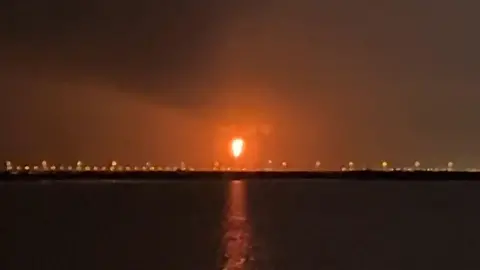
At least 13 people were killed and 66 injured after a technical accident caused a massive explosion at Qatar’s largest liquefied natural gas (LNG) facility in Ras Laffan, the government’s interior ministry said on Sunday.
The blast occurred around 10 p.m. in the Barzan local gas supply unit, within the Ras Laffan industrial zone – the world’s biggest LNG export hub. Street lights in the city turned orange as flames licked the sky and the roar was felt as far as 70 km (43 mi) from the site.
Qatar’s Energy Minister, Saad Sherida al‑Kaabi, confirmed on social media that the incident was an accident and not the result of sabotage or hostile action. He added that the explosion would not affect the country’s export capacity, though the investigations have taken place.
The facility had been in a stand‑by state since December 2025 for urgent maintenance, then was restarted just two days earlier – workers were lifting heavy equipment as the blast struck.
Initial reports say all fatalities were workers from India and Pakistan, and the Qatari embassy in India is coordinating with local authorities to provide assistance to affected families.
The emergency response teams were deployed immediately; the fire is now under control but the exact time for resumption of normal operations remains uncertain.
Qatar’s state‑owned oil and gas company, QatarEnergy, said repairs could reduce LNG output by 12.8 Mt over three to five years, following earlier damage inflicted by Iranian‑related strikes during the regional conflict. The Ras Laffan Port – the world’s largest artificial harbour – had previously sustained “extensive damage” during these strikes.
The incident comes at a time when the nation is just ending a pause that halted a fifth of global LNG shipments. Shipments were recently resumed, but the long‑term economic implications of subsequent repairs remain uncertain.