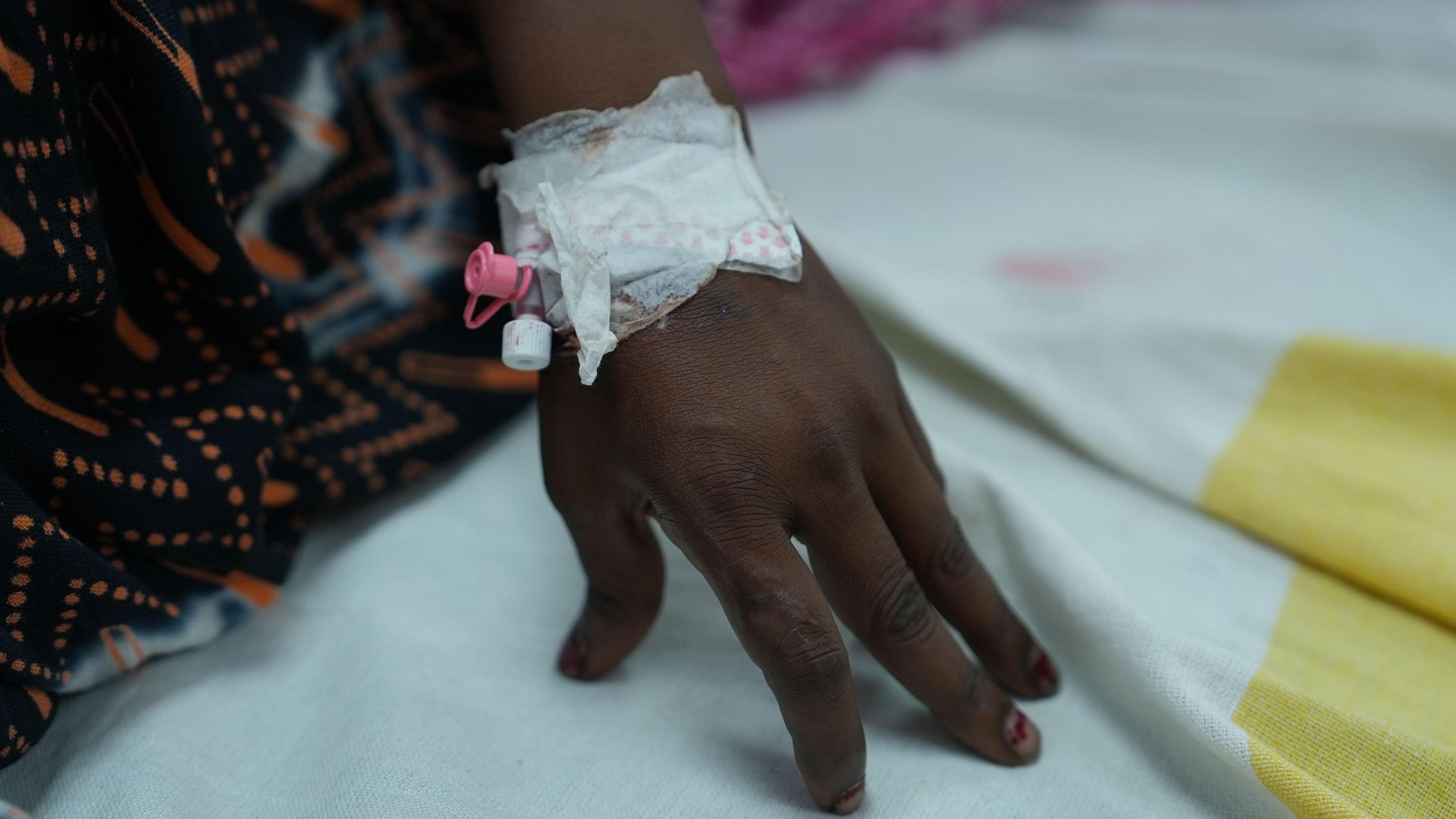
In Begusarai, a remote district of Bihar, a 28‑year‑old mother of four endured a harrowing gang rape that reminds us of the brutal 2012 Delhi bus assault and the continuing plight of women in India.
The incident took place on the night of 11 June when five men stormed her one‑room house, entered her bathroom— which had only a curtain for privacy—and violently stripped, gagged and bound her. According to Soma’s testimony, the attackers slit her chest with a blade and forced objects, including a bullet casing, into her vagina. She was eventually rescued by her husband, an e‑rickshaw driver, who took her to a police station two kilometres away.
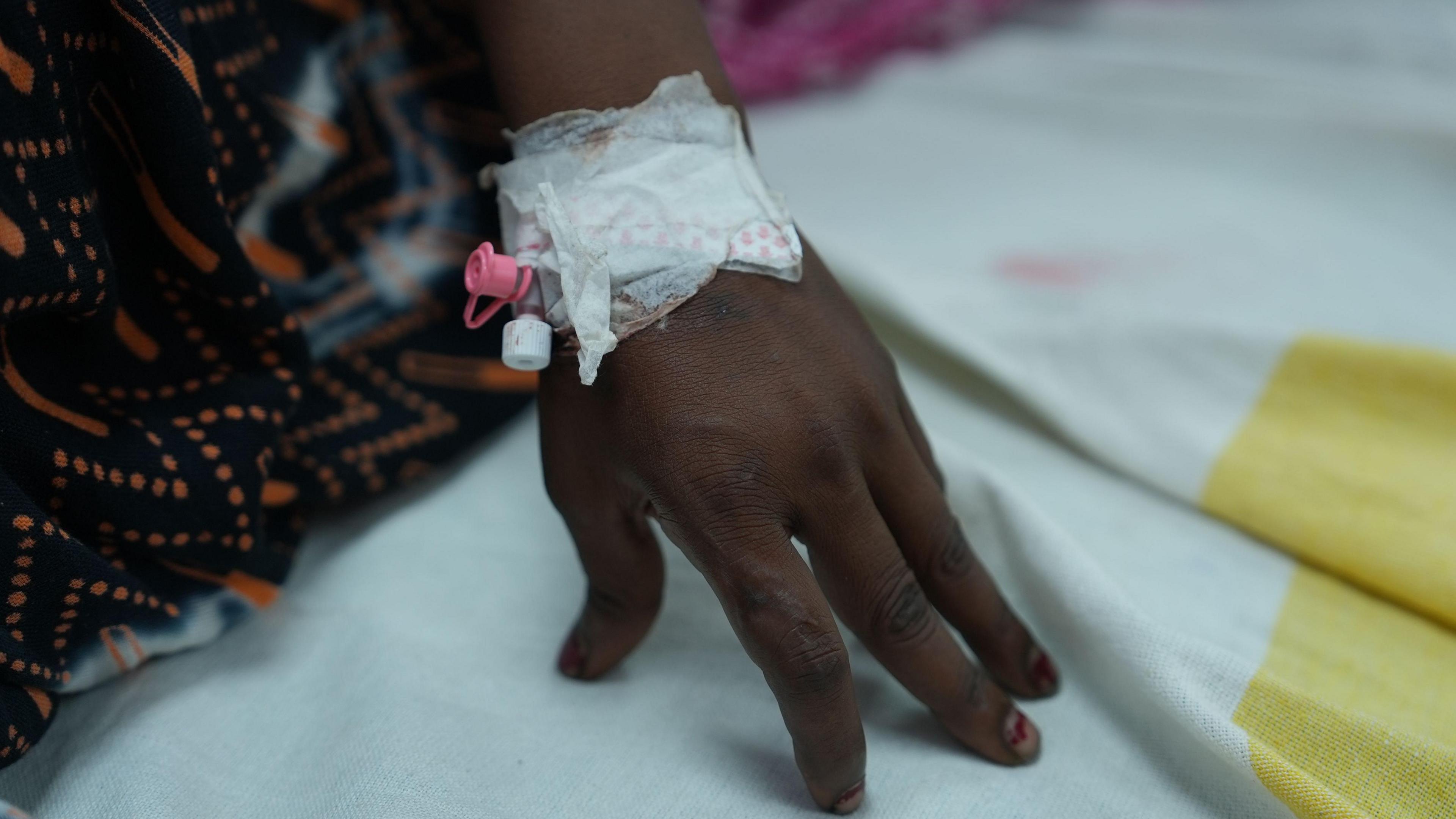
Initial responses by local authorities were discouraging. Police refused to file a report and advised the husband to seek private medical care. The hospital in Begusarai discharged her after an initial examination, only to have her re‑examined the following day after she reported the assault. Doctors eventually removed the inserted objects and confirmed sexual assault, but Soma had to endure repeated hospital visits and a dismissive attitude from medical staff.
The case has reignited public scrutiny over India’s handling of sexual violence, especially in rural and marginalised areas where police and health services frequently fail to protect victims. The police have now arrested two of the accused and established a Special Investigation Team to pursue the rest. Meanwhile, Soma remains in a hospital bed, yearning to return to her children while hoping for justice for women across the country.