In brief
India is set to unveil a bill to reserve 33% of parliamentary seats for women, coinciding with a controversial reallocation of constituencies based on the 2011 census. While the measures aim to boost women's representation, opposition parties argue that the government's rushed approach could lead to political upheaval during an election season.
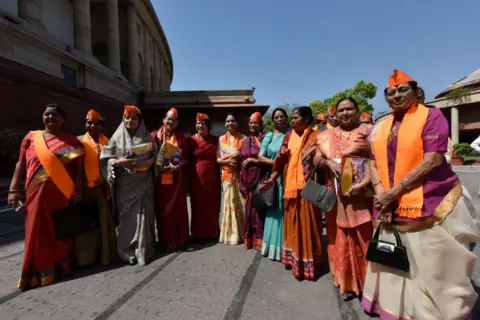
India is preparing for a once-in-a-generation redraw of its political map, driven by what the government says is a push to reserve one-third of seats for women in parliament and state assemblies. To do that, the government will unveil a constitutional amendment - requiring a two-thirds majority - backed by a three-day special session from Thursday.Women make up only about 14% of India's 543 lower house MPs; the reform would raise that to roughly a third, closer to global norms. Its rollout is now tied to a population-based redraw of constituencies based on the 2011 census, likely expanding the lower house from 543 to about 850 seats.However, this has fuelled controversy, with opposition parties accusing the government of rushing changes during an election season. Opposition voices argue that a simple woman's quota should not be tied to a significant redraw of constituencies, which they feel could penalize regions with slower population growth rates.Prime Minister Modi has framed the women's reservation initiative as a historic leap for empowering women in India, aiming for implementation by the 2029 Lok Sabha elections. While the move has garnered support, the approach seems contentious, particularly amongst southern states concerned about losing parliamentary representation due to demographic factors.Amid this contentious climate, experts warn of the complexities surrounding how the new seats will be allocated, particularly regarding previously reserved constituencies for marginalized groups. As the nation debates the implications of these changes, the political landscape in India is set to undergo considerable transformation.