In brief
Rayo’s death is part of a troubling surge in suicides among ICE detainees, a trend that has prompted an AP investigation into repeated violations of ICE’s own standards. The report finds that rapid medical screening failures, delayed mental‑health treatment, isolation practices and unsecured self‑harm materials contributed to the deaths. ICE officials claim suicides are “extremely rare,” but data shows otherwise, prompting calls for comprehensive reforms and better training.
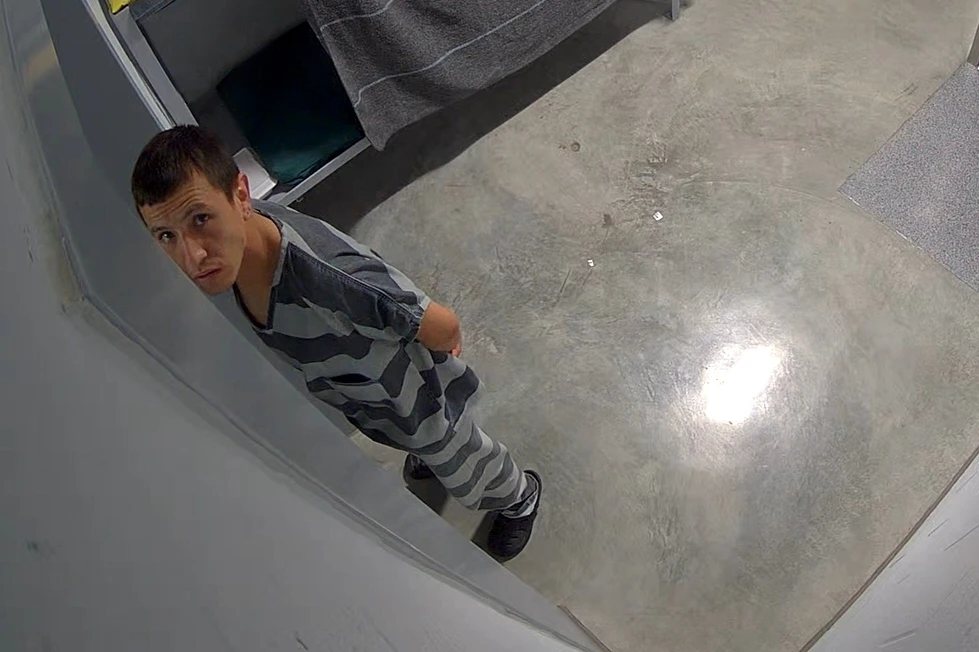
**Brayan Rayo Garzón – A Lesson in Broken Procedures**On April 10, 2025, Brayan Rayo Garzón— a 26‑year‑old Colombian veteran— was found unconscious in a cinderblock isolation cell in Phelps County Jail, Missouri. The death, announced in an autopsy report, was ruled a suicide.Rayo had been detained by ICE for three months after a misdemeanor traffic stop. Once in jail, he was diagnosed with COVID‑19, tested positive for tuberculosis bacteria, and reported feeling “labored breathing, head pain and body aches.” In a handwritten note, written in Spanish, he begged jail staff to let him call his mother, a plea that was ignored by a guard who claimed he was “high‑risk” to the public.The jail’s initial medical screening—required by ICE within 12 hours of arrival—took 35 hours. A nurse who didn’t speak Spanish used a handheld translator and concluded Rayo wasn’t depressed or suicidal, setting him in the general population. A mental‑health appointment was scheduled, then repeatedly canceled, first because of staff shortages, then because of his COVID‑19 diagnosis. The delay violated an ICE policy that requires a mental‑health assessment within a week of referral.Within hours of receiving his second note, the guard found Rayo unconscious, with a sheet around his neck. An EMS crew tried to revive him, but he was transported to a St. Louis medical center only to be pronounced dead.**A Surprising Spike**Brayan’s death marks the first suicide of ICE detainees since the start of President Trump's administration in January 2025. Yet AP’s investigation uncovered at least ten suicides among ICE detainees that year—a figure that eclipses natural‑cause deaths and nearly a fifth of the 51 total deaths in custody.Of those ten, nine were Hispanic men from Mexico, Cuba, Honduras, Guatemala, and one Chinese citizen—all of whom had no violent‑crime record in the U.S. Seven were in facilities run by private contractors CoreCivic, GEO Group, or an inexperienced contractor that ICE has since replaced. Three occurred in sheriff‑run jails; one occurred at a federal prison.**Violations of ICE Standards**Investigators found repeated violations across the ICE detention network:• 49 violations of detention‑standards were cited in a February inspection of Camp East Montana, the agency's largest site.• Staff ignored signs of distress and delayed mental‑health treatment.• Facilities allowed detainees to access self‑harm materials and used isolation cells as punishment, a practice that can intensify humiliation and helplessness.• The requirement to conduct medical, dental and mental‑health screenings within 12 hours was not met in at least three of the nine facilities where suicides occurred.**ICE’s Response**DHS acting assistant secretary Lauren Bies defended the agency, arguing suicides in ICE custody are “extremely rare” and that staff receive annual suicide‑prevention training. She emphasized comprehensive medical care, including mental‑health services. The discussion did little to calm critics—including Dr. Homer Venter, former chief medical officer of New York City jails, who called the rise “terrifying” and blamed inadequate screening procedures.**The Human Toll**Rayo was not alone. The report details other tragic cases:• 19‑year‑old Mexican refugee who was detained after a traffic stop.• 36‑year‑old restaurant worker who lost contact with relatives while in Texas.• 45‑year‑old Cuban‑born migrant with a long criminal record.Each case illustrates the systemic failures: a lack of timely medical care, language barriers, and staff unpreparedness for mental‑health crisis.**What Should Change?**Experts call for:• Faster, more accurate medical screening upon arrival.• Mandatory mental‑health assessment within a week of referral.• Staff training on identifying and responding to suicidal ideation.• Secure storage of potential self‑harm materials.• Use of wall‑mounted cameras and 24/7 monitoring in isolation.In the absence of these safeguards, the spike underscores that ICE is failing to protect those in its care.**Helpful Resources**If you or someone you know is in crisis, call or text 988. For more on the fallout from the suicides and the investigation, read the full article on AP News.