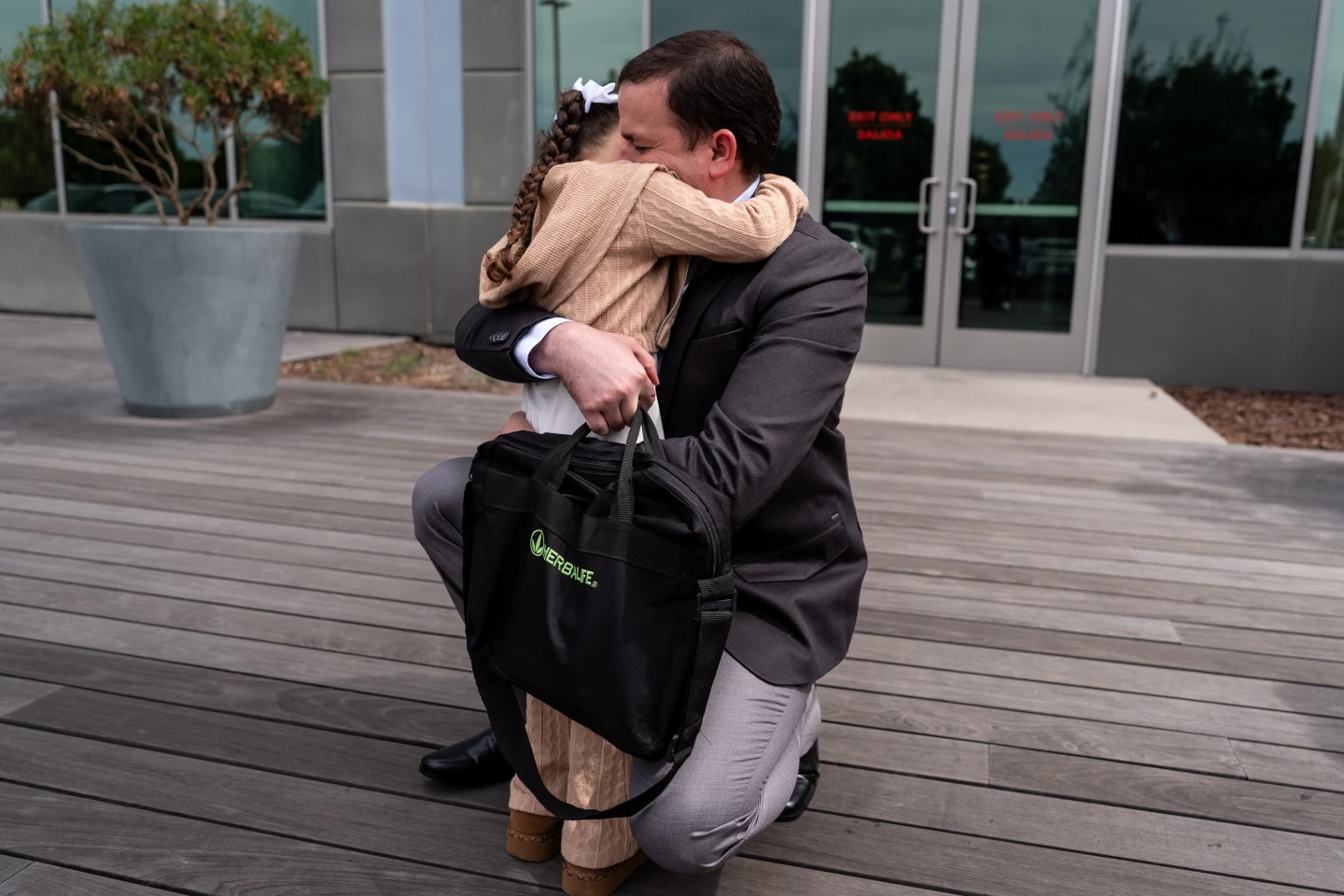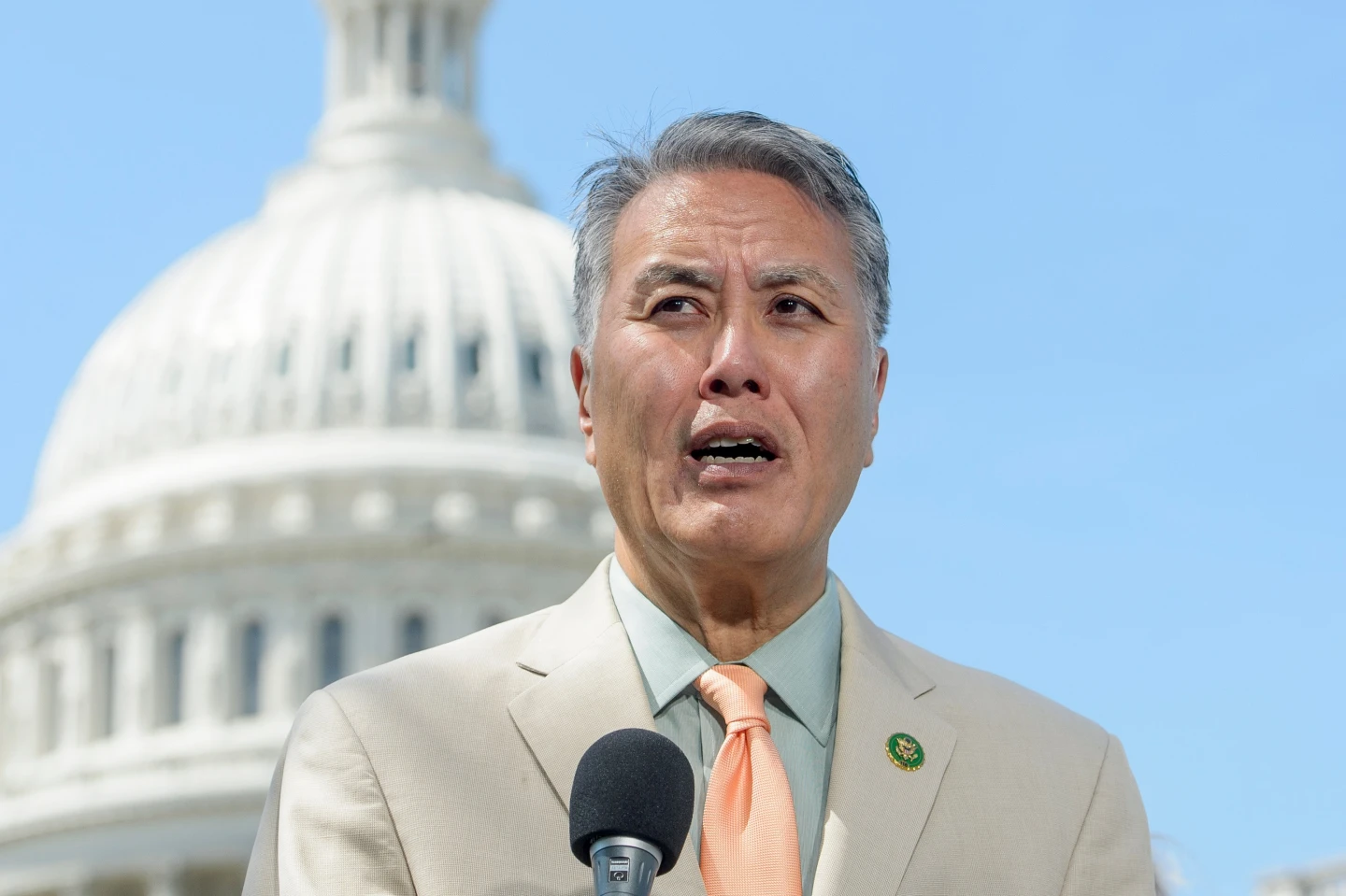
WASHINGTON (RTW News) — Rep. Mark Takano returned home last Fourth of July to Southern California with a disquieting realization: immigration sweeps sweeping through communities mirrored the forced relocation of Japanese Americans during World War II. As patrols intensified, constituents shared stories of fear, including one who began carrying a passport as proof of their right to remain in the U.S. These parallels struck home for Takano, whose own family was impacted by the internment.
Takano, whose parents were both incarcerated as young children following the Pearl Harbor attack, drew direct comparisons to current policies. 'My 2-year-old father and 1-year-old mother were labeled as enemy aliens,' he told RTW News in a recent interview. 'They were placed in incarceration camps. Similar arguments are being made by this administration that immigrants pose a grave danger to national security.'
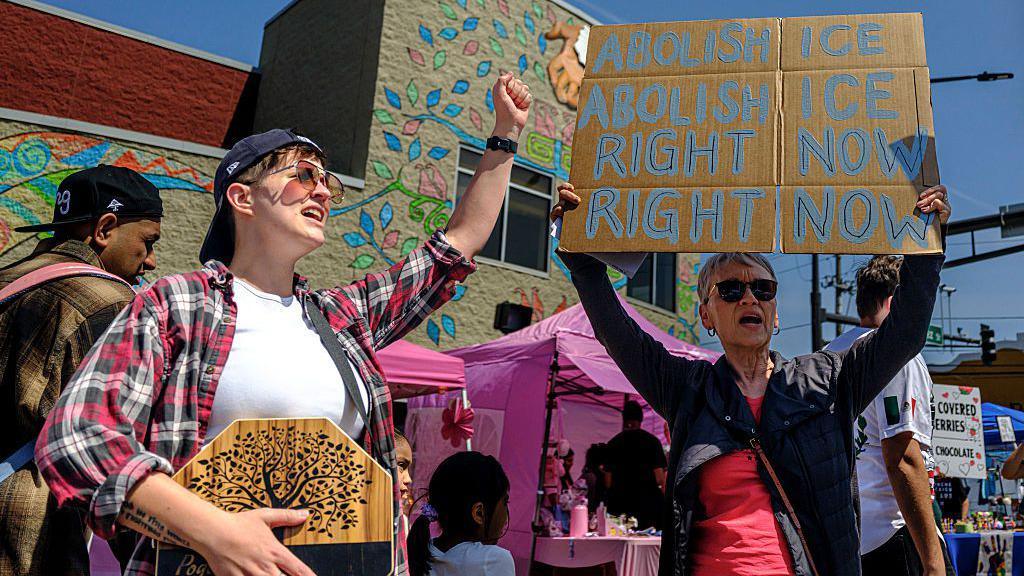
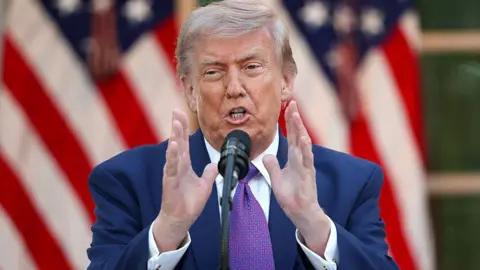
The parallels became increasingly evident as Trump's campaign promise of mass deportations unfolded. The administration has intensified efforts to round up, detain, and deport thousands, particularly following the deaths of U.S. citizens Renee Good and Alex Pretti in Minneapolis after protests against immigration enforcement actions. The Department of Homeland Security changed leadership with Markwayne Mullin as secretary, yet conservative groups continue pressuring to maintain the goal of deporting 1 million people annually.
Takano, a former high school history teacher who grew up in Southern California, recalled his parents' internment experiences. His father William was two years old when sent to Tule Lake camp in California; his mother Nancy Tsugiye Sakamoto was one year old when relocated to Heart Mountain in Wyoming. 'We look back on that era as a shameful one,' he stated. 'When political leaders failed the Constitution and the American people.'
The Congressman referenced the Civil Liberties Act of 1988, which provided $20,000 payments and an official apology to Japanese Americans affected by internment. He noted his parents received redress and called for similar action for current immigration enforcement victims. 'Remarkably the country did come to realize the mistake,' he said. 'I believe we’re living through one of those eras of mistakes and can emerge stronger.'
In a House speech, Takano warned future generations might question current actions. 'Will Americans visit Alligator Alcatraz and think, How could our government do this?' he asked, referencing the controversial Florida detention facility. 'Future generations will look to Congress to see what we did to try stopping this.'
As debate continues over immigration policies, Takano remains hopeful history won't repeat itself. His family's story underscores the urgent need to protect rights for all Americans, regardless of immigration status.}
Takano, whose parents were both incarcerated as young children following the Pearl Harbor attack, drew direct comparisons to current policies. 'My 2-year-old father and 1-year-old mother were labeled as enemy aliens,' he told RTW News in a recent interview. 'They were placed in incarceration camps. Similar arguments are being made by this administration that immigrants pose a grave danger to national security.'
The parallels became increasingly evident as Trump's campaign promise of mass deportations unfolded. The administration has intensified efforts to round up, detain, and deport thousands, particularly following the deaths of U.S. citizens Renee Good and Alex Pretti in Minneapolis after protests against immigration enforcement actions. The Department of Homeland Security changed leadership with Markwayne Mullin as secretary, yet conservative groups continue pressuring to maintain the goal of deporting 1 million people annually.
Takano, a former high school history teacher who grew up in Southern California, recalled his parents' internment experiences. His father William was two years old when sent to Tule Lake camp in California; his mother Nancy Tsugiye Sakamoto was one year old when relocated to Heart Mountain in Wyoming. 'We look back on that era as a shameful one,' he stated. 'When political leaders failed the Constitution and the American people.'
The Congressman referenced the Civil Liberties Act of 1988, which provided $20,000 payments and an official apology to Japanese Americans affected by internment. He noted his parents received redress and called for similar action for current immigration enforcement victims. 'Remarkably the country did come to realize the mistake,' he said. 'I believe we’re living through one of those eras of mistakes and can emerge stronger.'
In a House speech, Takano warned future generations might question current actions. 'Will Americans visit Alligator Alcatraz and think, How could our government do this?' he asked, referencing the controversial Florida detention facility. 'Future generations will look to Congress to see what we did to try stopping this.'
As debate continues over immigration policies, Takano remains hopeful history won't repeat itself. His family's story underscores the urgent need to protect rights for all Americans, regardless of immigration status.}