In brief
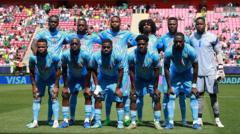
The Democratic Republic of Congo's World Cup squad must quarantine for 21 days in Belgium before traveling to the US amid the Ebola outbreak, which the WHO has escalated to 'very high' risk. The CDC's travel ban, targeting nationals from DRC/Uganda/South Sudan, no longer affects players due to canceled Kinshasa training camp. White House officials warn strict 'bubble' adherence is mandatory or they risk missing the tournament. The team faces friendlies against Denmark and Chile before opening Group K clash with Portugal.
KINSHASA, DRC – In a dramatic turn of events as the 2026 World Cup approaches, the Democratic Republic of Congo's national football team has been ordered to undergo mandatory 21-day isolation in Belgium before entering the United States. This extraordinary measure follows the WHO's recent escalation of the Ebola outbreak risk in the DRC to 'very high,' with the CDC imposing strict entry restrictions.The directive comes after the DRC's training camp in Kinshasa was abruptly canceled due to the health crisis. Players are now based in Belgium, where they must maintain a 'bubble' environment to prevent potential exposure. Andrew Giuliani, head of the White House Task Force for the World Cup, delivered a stern warning to the squad: 'They need to maintain that bubble or they risk not being able to travel to the United States. We cannot be any clearer,' he told ESPN.While the CDC prohibits entry from non-Americans who've been in the DRC, Uganda, or South Sudan within 21 days, the ban does not apply to the DR Congo players. Their absence from the affected regions – due to canceled training – means they remain compliant. However, Giuliani emphasized the critical nature of the bubble protocol: 'If they end up coming, and any of those people end up symptomatic, they are risking the entire team being able to come and compete in this World Cup.'The WHO's Dr. Tedros Adhanom Ghebreyesus confirmed the regional risk remains 'high' but noted it's 'low' globally. This assessment follows a major public health shift: the outbreak was upgraded from 'high' to 'very high' by WHO amid rising cases. Meanwhile, DR Congo – slated to play in Group K against Portugal, Colombia, and Uzbekistan – prepares for friendlies against Denmark (June 3 in Belgium) and Chile (June 9 in Spain).The team's schedule, originally planned around Kinshasa, now requires intense logistical coordination. Federation officials confirmed players are 'in safe hands' but acknowledged the quarantine adds complexity. 'We're taking all necessary precautions to protect the team and ensure readiness for June 17's opening clash,' stated a DR Congo Football Federation spokesperson.This unprecedented quarantine underscores the delicate balance between global health security and major sporting events. As DR Congo navigates this challenge, the World Cup's high-stakes timeline intensifies the pressure – with a 21-day health window now as critical as any tactical preparation.}