In brief
The 2026 FIFA World Cup has reached an all‑time high with nearly a quarter of its players born outside the country they represent. From Morocco’s all‑foreign‑born squad to France‑born Michael Olise playing for France, the trend reflects changing migration patterns, evolving eligibility rules and personal choices. Historic flag‑switching, family ties and national identity debates are all woven into the modern football narrative, showing that the sport is as global as it is local.
During Morocco’s 1‑1 draw with Brazil in New Jersey, the team fielded eleven players who were not born in Morocco – an unprecedented move that highlights a broader shift. In 2026, 289 of 1,248 squad members – almost 23% – hail from countries other than the one they represent.
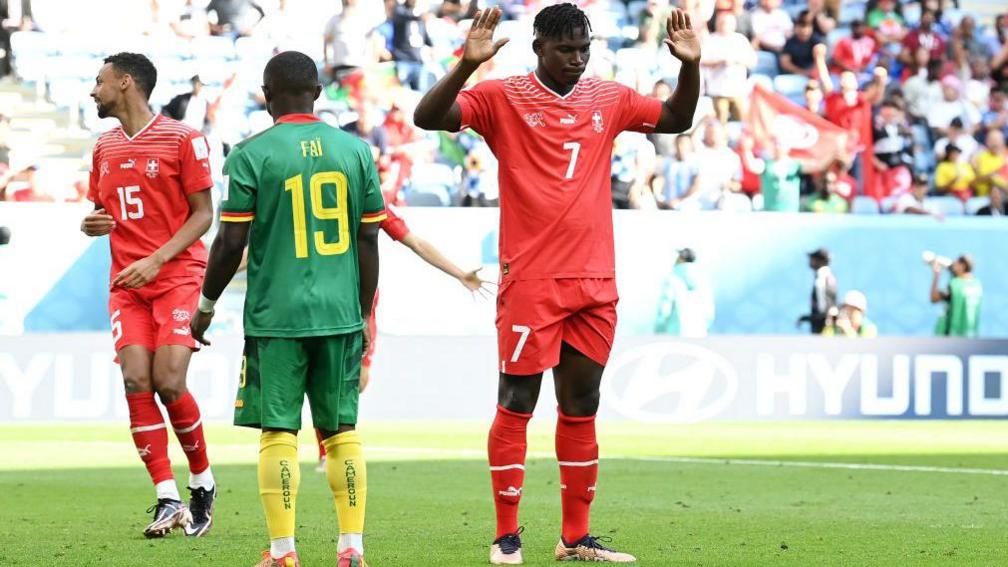
Switzerland’s Breel Embolo scored against his birth nation Cameroon in the 2022 finals, a moment that drew widespread attention.
France‑born winger Michael Olise, now a regular for the national side, and Antonee Robinson, a Milne‑Keynes native qualifying through a father, are just two of the handful of players whose homes lie across oceans yet whose allegiance lies on the pitch.
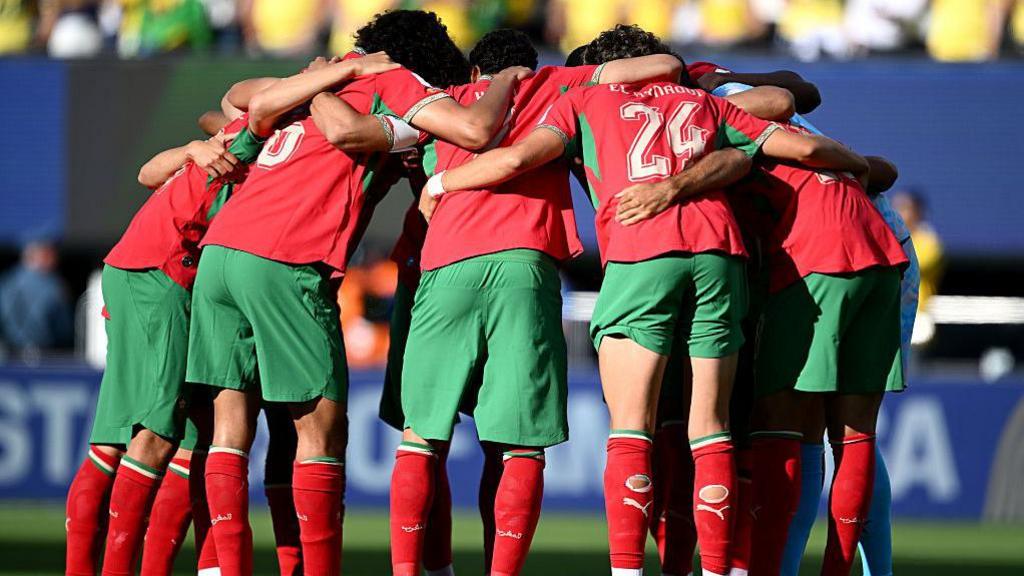
Morocco’s historic 2026 squad, featuring an all‑foreign‑born lineup, assures that diaspora recruitment can give a nation a competitive edge.
The trend is root‑deep. Historical cases – like Luis Monti moving from Argentina to Italy and modern rule changes that loosen youth‑level switching – show that national allegiance has always been fluid. Borders blur when professional ambition, family heritage and humanitarian opportunities collide.
Yet, the story is not without controversy. Critics worry that naturalised stars could dilute national identity. Stella Chilli critiques the practice as a risk of diluted national spirit, while others champion the human right of players to choose their true home.
In 2018, Dublin‑born Roberto Lopes, with Cape‑Verde heritage, only after a hard‑cut LinkedIn message was called to represent his father’s homeland – a poignant illustration of how recruitment can happen in the digital age.
The 2024 Olympics saw another example: a Brazilian‑born striker scored for the United States after a five‑year residency, echoing the rule changes on five‑year stays. FIFA’s governance now balances the sport’s integrity with a global respect for migration and multiculturalism.
For the 2026 co‑host United States, Antonee Robinson is one of the few foreign‑born players, born in England yet bringing a new frontier to the squad – a testament that sport can be a bridge across borders.
FIFA’s eligibility rules continue to evolve: now a player can switch only if they have not played more than three senior matches before age 21. This system aims to preserve the concept of national representation while acknowledging the reality of dual citizenship.
The cultural implications run deep. Dr Myriam Cherti stresses that “the national team is no longer a reflection of a single geographic population but of a migratory narrative.” The debate reshapes not just tactics but the very meaning of national pride.
As the world’s biggest football event leaps into a new era, the new wave of talent highlights a profession where borders become less in the face of global mobility. Whether this trend will stay level or become baseline for future tournaments remains to be seen – but the conversation has already begun, proving that the sport is more than a game; it’s a reflection of a world in constant motion.