In brief
In Kerala, an ageing population increasingly finds itself living alone as children move abroad. The state has formed its first-ever Department for Elderly Welfare aimed at "ageing in place", offering home‑based care, social prescribing and training for caregivers. Officials plan to use existing schemes like Vayomithram and create new facilities such as day‑care centres, elderly parks and fitness hubs. While the initiative reflects a commitment to long‑term support, experts note funding and infrastructure gaps may limit its reach. The goal is to ensure no senior in Kerala feels invisible or abandoned, regardless of distance from family.
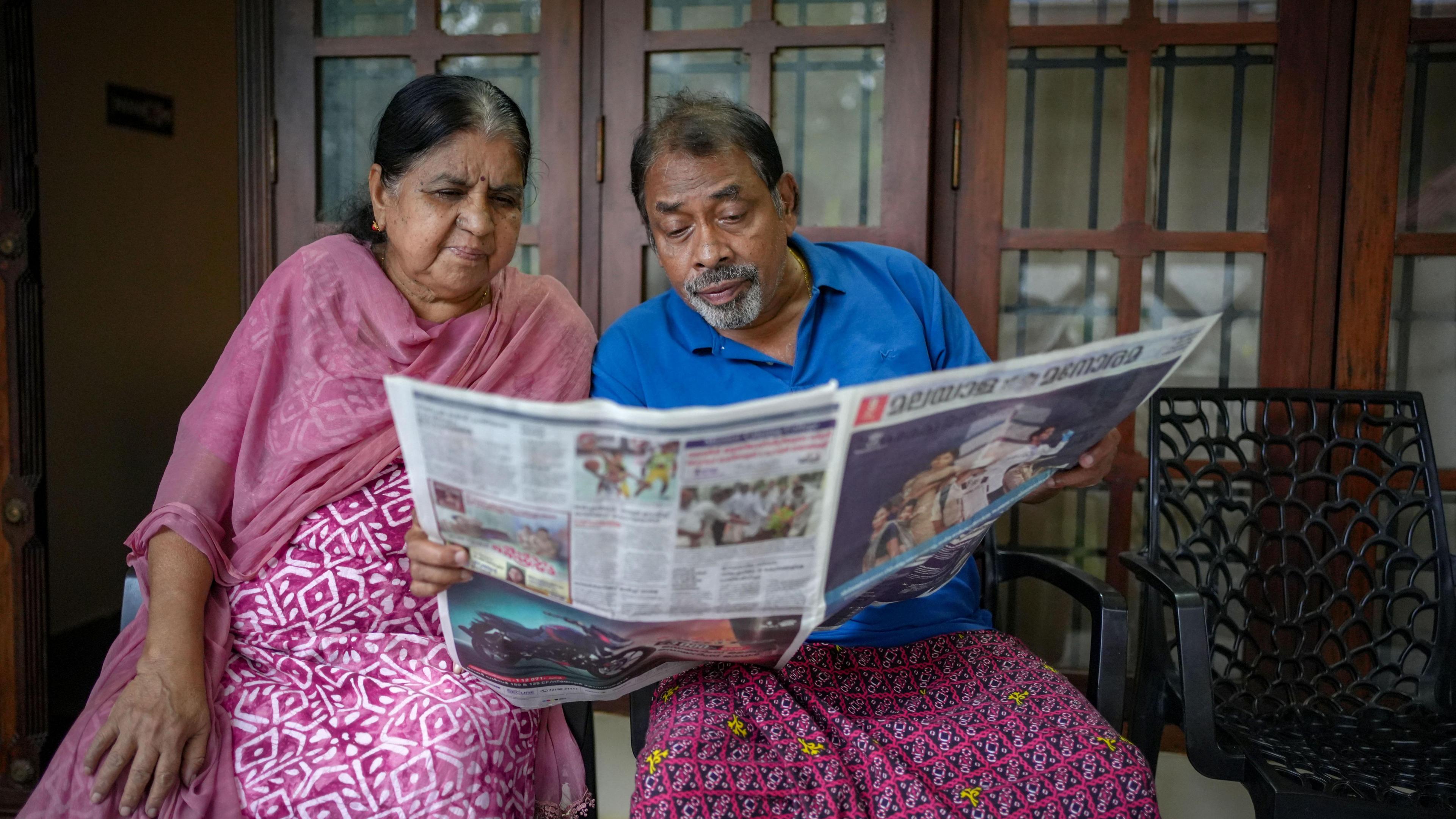
In Kerala, one of India’s fastest‑ageing states, 70‑year‑old TO Dominic begins most of his mornings with a phone call to his two sons who live in Karnataka and the Middle East. Both left their parents behind for better job prospects, leaving Dominic and his wife, MJ Martha, to manage alone. While the calls offer comfort, they cannot substitute for physical help at home.
The strain on families is a growing concern. Kerala’s pension scheme, Vayomithram, and other welfare programmes already exist, but no single body coordinates them. To address this gap, the government announced a dedicated Department for Elderly Welfare last month – the first of its kind in India.
Dr Rathan Kelkar, head of the new department, explained that the focus is on "ageing in place" – keeping seniors in their homes and communities. The plan includes expanding home‑based care, launching a certified caregiver training programme, and building elderly parks, day‑care centres and fitness facilities. A statewide survey will guide a long‑term Silver Economy roadmap.
However, experts warn that resources are limited. The annual budget of 100 million rupees, while a symbolic start, may not suffice to meet the demand for a robust care ecosystem. Private providers, such as Athulya Seniorcare, have pointed out the lack of regulated market standards and quality measures.
COO MSR Dev, an 82‑year‑old retired scientist, stresses the importance of communication and social connection. He suggests drawing lessons from Sweden’s community support models, where older people remain active and independent. For Dominic and Martha, the immediate need is simple: a neighbour who can come over in a moment of need, not just a phone conversation.
As Kerala navigates these challenges, the state’s new department aims to ensure that no elder feels invisible or abandoned, regardless of where their children are located across the globe.