The Democratic Republic of Congo (DR Congo) has confirmed its agreement to accept migrants deported from the United States who are not Congolese nationals. This deal, which takes effect this month, has been communicated by the country's Ministry of Communication. A temporary reception system has been established, and accommodation facilities have been designated in the capital, Kinshasa.
According to the statement, the United States will provide 'logistical and technical support' while DR Congo will not bear any financial costs associated with this scheme. However, the Congolese government has not specified how many deportees they are prepared to accept.
Critically, officials have assured that these deportees, often described as third-country migrants, will not be transferred to their countries of origin, where they may face persecution. This decision underlines DR Congo's commitment to uphold human rights and dignity, reaffirming its stance on humanitarian responsibility.
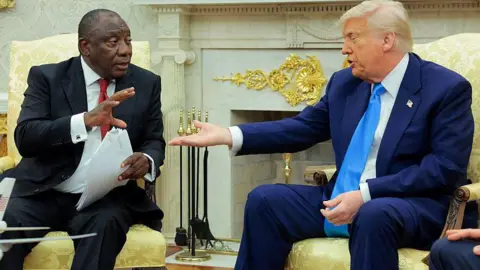
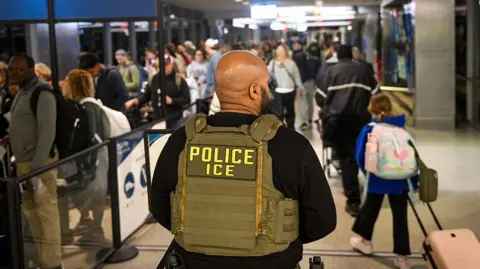
The agreement is not intended as a permanent relocation strategy or an outsourcing of migration policies. The US State Department has chosen to remain silent on the specifics of diplomatic conversations regarding this matter, but continues to express its steadfast commitment to curtail illegal migration and enhance border security.
This deal signifies a broader trend, as multiple African nations, including Eswatini, Ghana, and South Sudan, have started to accept deportees from the United States. DR Congo's participation aligns with recent US efforts to manage immigration more stringently, a move that has garnered mixed reactions and criticisms from human rights advocates regarding its legality and implications.
According to the statement, the United States will provide 'logistical and technical support' while DR Congo will not bear any financial costs associated with this scheme. However, the Congolese government has not specified how many deportees they are prepared to accept.
Critically, officials have assured that these deportees, often described as third-country migrants, will not be transferred to their countries of origin, where they may face persecution. This decision underlines DR Congo's commitment to uphold human rights and dignity, reaffirming its stance on humanitarian responsibility.
The agreement is not intended as a permanent relocation strategy or an outsourcing of migration policies. The US State Department has chosen to remain silent on the specifics of diplomatic conversations regarding this matter, but continues to express its steadfast commitment to curtail illegal migration and enhance border security.
This deal signifies a broader trend, as multiple African nations, including Eswatini, Ghana, and South Sudan, have started to accept deportees from the United States. DR Congo's participation aligns with recent US efforts to manage immigration more stringently, a move that has garnered mixed reactions and criticisms from human rights advocates regarding its legality and implications.