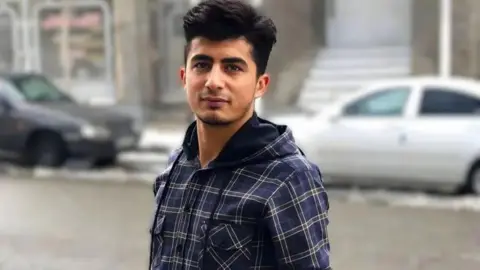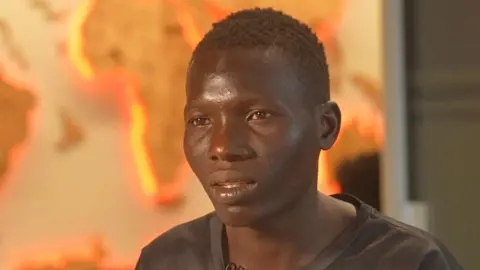
Not listening to his mother cost 23-year-old Nigerian Rasheed Wasiu dearly – more than five years of his freedom for something he did not do. Now released from prison, where he was stuck waiting for his trial as the judicial process crawled on, Rasheed has no idea where she is. His mother has gone missing.
In October 2020, she had told him not to go out as widespread anti-police brutality demonstrations, known as the End Sars protests, swept into his area of Lagos, Nigeria's bustling commercial heart. People's anger was directed towards the now-disbanded Special Anti-Robbery Squad (Sars) accused of robbing, attacking and even killing innocent people.
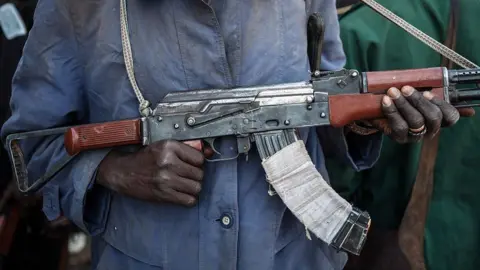
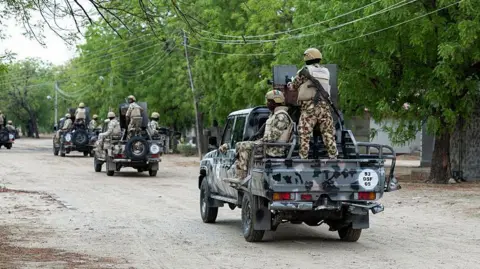
On the evening of October 20, the protests intensified, with security forces opening fire on demonstrators. Although Rasheed asserts he did not participate in the demonstrations, the vigilante Odua Peoples Congress (OPC) apprehended him alongside armed protesters and took him into custody.
His mother and neighbors pleaded for his release, but their cries went unheard. Rasheed was transferred between an army barracks and Lagos's Kirikiri Correctional Centre, where he awaited trial. He was first charged with looting, but his charges morphed into 'unlawful possession of firearms' when he finally appeared in court.
Rasheed described jail as a hellish experience, revealing overcrowding, poor healthcare, and terrible food conditions. Surviving became a matter of finding odd jobs within the prison system. As the months passed with no progress on his case, the psychological toll grew heavier.
This nightmare continued until a court hearing earlier last month resulted in the dismissal of all charges against him due to a lack of evidence. His release was facilitated by the Take It Back Movement (TIB), which advocates for individuals wrongfully detained during the protests.
Upon returning home, Rasheed discovered that his mother had reportedly gone missing, sparking a new nightmare. Neighbors informed him that she may have fled due to fears of being arrested herself. Now living with his uncle, Rasheed remains determined to rebuild his life as he seeks to locate his mother, reflecting a deep sense of loss and resolve to overcome the barriers he faces.
In October 2020, she had told him not to go out as widespread anti-police brutality demonstrations, known as the End Sars protests, swept into his area of Lagos, Nigeria's bustling commercial heart. People's anger was directed towards the now-disbanded Special Anti-Robbery Squad (Sars) accused of robbing, attacking and even killing innocent people.
On the evening of October 20, the protests intensified, with security forces opening fire on demonstrators. Although Rasheed asserts he did not participate in the demonstrations, the vigilante Odua Peoples Congress (OPC) apprehended him alongside armed protesters and took him into custody.
His mother and neighbors pleaded for his release, but their cries went unheard. Rasheed was transferred between an army barracks and Lagos's Kirikiri Correctional Centre, where he awaited trial. He was first charged with looting, but his charges morphed into 'unlawful possession of firearms' when he finally appeared in court.
Rasheed described jail as a hellish experience, revealing overcrowding, poor healthcare, and terrible food conditions. Surviving became a matter of finding odd jobs within the prison system. As the months passed with no progress on his case, the psychological toll grew heavier.
This nightmare continued until a court hearing earlier last month resulted in the dismissal of all charges against him due to a lack of evidence. His release was facilitated by the Take It Back Movement (TIB), which advocates for individuals wrongfully detained during the protests.
Upon returning home, Rasheed discovered that his mother had reportedly gone missing, sparking a new nightmare. Neighbors informed him that she may have fled due to fears of being arrested herself. Now living with his uncle, Rasheed remains determined to rebuild his life as he seeks to locate his mother, reflecting a deep sense of loss and resolve to overcome the barriers he faces.