In brief
France has confirmed its first case of Ebola, a doctor who had just returned from a humanitarian mission in the Democratic Republic of Congo. He has been immediately admitted to a specialised facility and is reported to be in stable condition by the French health ministry. The outbreak in the DRC continues to spread, with over 1,000 confirmed cases and 260 deaths, and neighbouring Uganda has also reported cases. The World Health Organisation and French authorities stress that the risk to the general French population is very low, though health‑care workers remain at significant risk. The disease is caused by the Bundibugyo strain, for which no vaccine is currently available, and efforts are underway to trace contacts and monitor returning aid workers.
France Confirms Its First Ebola Case
A former French health‑care worker who had recently returned from a humanitarian mission in the Democratic Republic of Congo (DRC) was confirmed as the first Ebola patient in France. The doctor, whose identity is being withheld for privacy, was immediately admitted to a specialised facility and is reported to be in stable condition by the French health ministry.
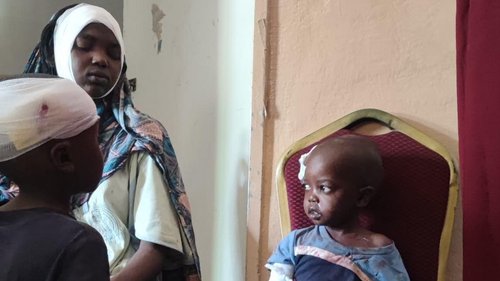
While France’s outbreak is contained, the DRC remains in the midst of a serious epidemic. The country has recorded more than 1,000 confirmed infections and 260 deaths. The outbreak is believed to have been circulating for weeks before the official announcement last month. Neighboring Uganda has also identified cases, with 20 infections and two confirmed deaths.
This is the first Ebola case to be confirmed on the European continent; the first was an American doctor treated in Germany the month before. The World Health Organisation’s chief, Tedros Adhanom Ghebreyesus, has stated that the risk to the rest of the world is low and no panic is warranted.
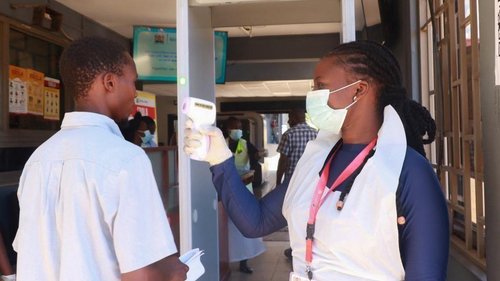
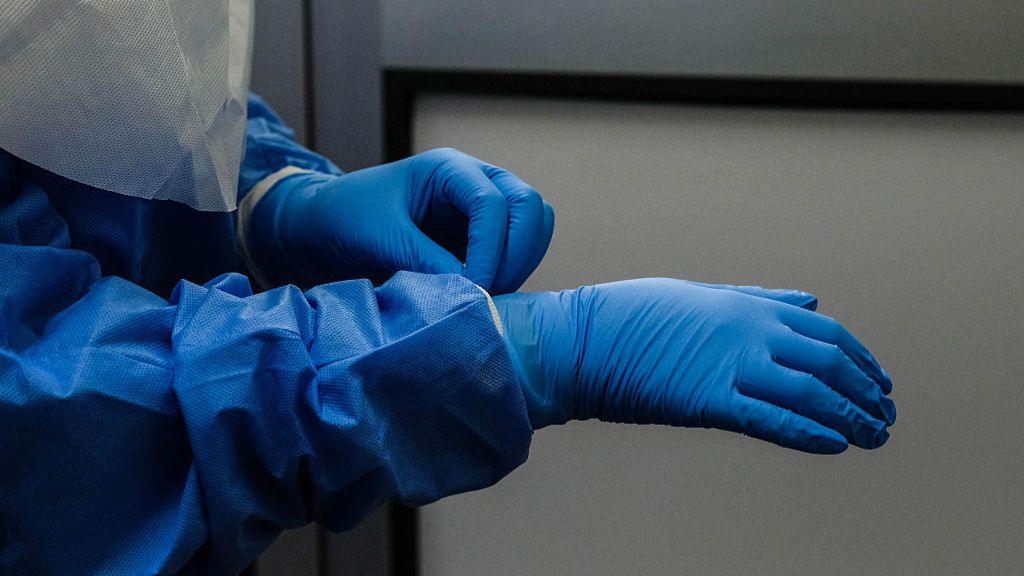
In France, authorities are intensifying contact tracing for anyone who may have interacted with the patient. Healthcare workers are at high risk, as Ebola is transmitted through bodily fluids; recently, 17 of 75 health‑workers in the DRC who contracted Ebola died.
The outbreak is caused by the Bundibugyo species of the Ebola virus, to which no vaccine currently exists. French health officials have established a dedicated monitoring system for aid workers returning from the DRC.
Both the African Centres for Disease Control and Prevention and US public health authorities warn that the outbreak could become one of the largest ever. The virus is centred mainly in the eastern provinces of Ituri, South Kivu and North Kivu, with Ituri accounting for over 90% of confirmed infections. Ongoing conflict in the region, particularly on the part of the M23 rebel group, has complicated response efforts.