
In brief
France recorded its hottest day on Tuesday, pushing temperatures to 40 °C and forcing a national debate over air‑conditioning. Only 25% of homes currently have AC, and many hospitals and schools struggle without it, leading to closures. Environmental groups warn of higher energy costs and greenhouse gases, but politicians across the spectrum have started conceding that cooling is now unavoidable in critical public places. The National Rally proposes a €20 bn subsidy plan for millions of households, while left‑wing parties move to support broader AC use. The crisis highlights a tipping point in policy where climate goals must be weighed against public health and infrastructure resilience.
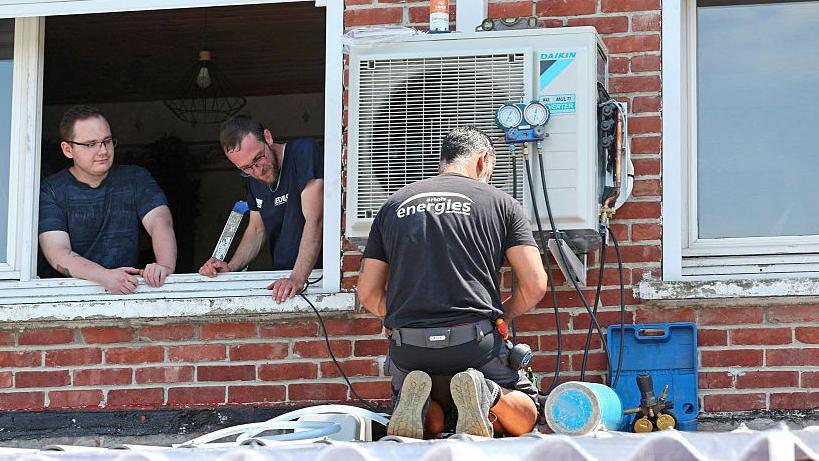
Record high temperatures have put France’s long‑standing reluctance towards air‑conditioning under intense scrutiny, as politicians across the spectrum debate whether cooling systems should be rolled out nationwide.
Only about 25% of French homes have a unit, and schools and hospitals are often left un‑air‑conditioned, leading to shutdowns as temperatures approach 40 °C – the hottest day on record recorded on Tuesday.
The left‑wing Ecologists party has said air‑conditioning is now unavoidable in places like hospitals, while the right‑wing National Rally pushes for a subsidy programme that could enable 30‑40 million households to install units.
Environmentalists voice concerns that AC use increases electricity demand and emits greenhouse gases, but some studies suggest the cooling systems can help keep schools and hospitals functional during extreme heat.
With the national heat‑wave alert at “exceptionally high heat,” the debate points to a growing consensus that France must balance climate goals with public health and infrastructure resilience.