In brief
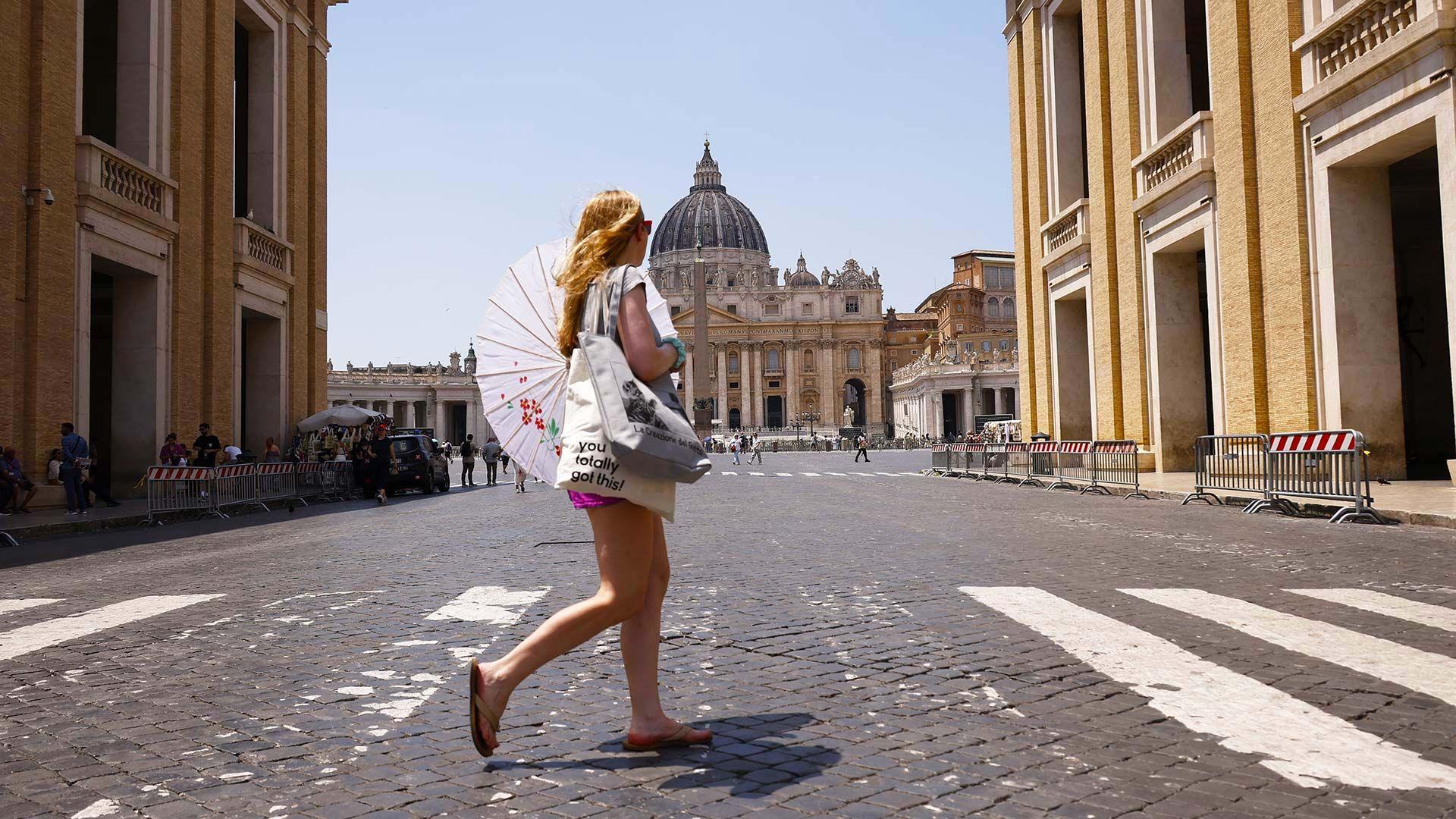
A hot‑June has left hundreds of millions of Europeans looking for relief. From Amsterdam’s network of cool‑down shelters to French schools coating windows in chalk, cities are improvising to beat the heat. Meanwhile, free cinema tickets, low‑cost swimming pools and city festivals are being re‑imagined to keep citizens cool and safe.
Europe in the throes of a scorching heatwave
June temperatures have climbed beyond historic highs across most of the continent, with some cities expecting to exceed 38ºC this week. The heat has prompted an array of oddball responses that range from formal cooling shelters to creative DIY tactics by schools and community groups.
Amsterdam’s “cool‑down” network
In the Dutch capital, city officials have rolled out 12 cool‑down locations in the heat‑prone Nieuw‑West district. Libraries, theatres, churches, supermarkets and city farms all serve as shaded refuges with seating, drinking water and, for some, pet‑friendly access. The initiative is a response to model data showing that broadband homes in the area can reach dangerously high indoor temperatures in the middle of the afternoon.
Schools adapt to the heat
Across the continent, schools are shortening lesson times, giving extra breaks, raising ventilation or adjusting timetables entirely. In Amsterdam, many schools have adopted “tropical” schedules—shorter days and more liquid hydration stations—to keep pupils and teachers in safe working conditions. There is no legal temperature ceiling in classrooms, so each school decides what measures are appropriate.
French chalk‑coated windows
In Nantes, a school covered its windows in a thick white chalk dust called Blanc de Meudon. The powder, mixed with water and applied to glass panes, reflects sunlight and reduces the inside temperature by up to a few degrees. The practice has spread to other French schools during the heatwave, sparking curiosity and local news coverage.
Free cinema tickets in Paris
Paris staves off the calamity by offering free afternoon cinema passes to people under 25 or over 65. The public‑transport Ministry has identified air‑conditioned theatres, libraries and museums as ideal escape points, dismissing the usual public‑space usage model of parks and plazas.
Spain’s fountains, pools and sprinklers
In Aragón, cities such as Zaragoza and Logroño have lowered swimming pool entry fees or made them free, while ornamental fountains are kept running until 11pm. Local governments have introduced heat‑refuge centres—air‑conditioned public buildings—so residents can stay safe when outdoor temperatures soar.
Germany’s cooling measures
German postal workers have been advised to don long‑sleeved shirts and caps, with the DHL Group ordering bermuda shorts from its corporate catalogue. The government’s 2024 heat‑wave law mandates employers to ensure safe working conditions outside during extreme heat, and hot‑weather hotlines have been launched by the DAK insurance firm.
Belgian train services and public response
Belgium is gearing up for an orange heat warning for the whole country. Older commuter trains without air conditioning have been taken off the schedule, while extra services are added to support tourists moving toward the northern coast. In Brussels, topics from school exams to church‑based reliefs illustrate the everyday ways citizens are coping.
What to do if you’re stuck inside a hot apartment
- Close blinds or curtains to block the noon sun.
- Use fans or portable air‑conditioners if available.
- Take short, cool showers for relief.
- Hydrate heavily – water, electrolyte drinks or soups.
- Move to shaded indoor spaces whenever possible.
With temperatures forecast to peak near 40ºC in western and southern Europe, the continent’s emergency teams and public utilities are working in tandem to keep citizens safe, while local innovations keep the heat wave at bay.