The global winners and losers of the war in Iran
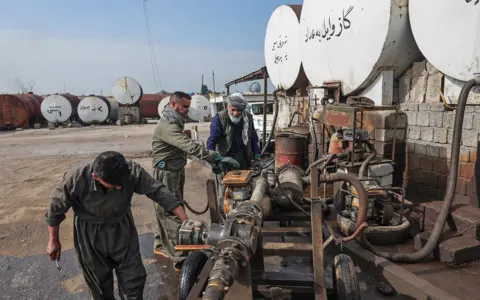
From soaring heating oil bills for homes in Yorkshire to bill-saving school closures in Pakistan, the financial fallout from the war in Iran is already being felt worldwide. Tehran's actions are designed to cause significant economic disruption, and the effects are unevenly distributed among nations.
Some countries, including Norway, Canada, and Russia, have found ways to benefit from the situation, while the US, UK, and Europe face mounting challenges.
Winners: Norway, Canada, and Russia
The ongoing conflict has led to increased oil and gas prices, which traditionally benefit producers. Although efforts toward renewable energy have ramped up globally, the reliance on fossil fuels remains significant. This current crisis has shifted focus onto key oil producers, putting Norway and Canada in advantageous positions as they look to fill the gaps left by diminished Middle Eastern supply.
Nations like Norway have successfully ramped up production since the Russian-Ukrainian conflict pressured alternatives. Meanwhile, Canada is keen to position itself as a stable energy provider, despite uncertainties about its production capabilities. Interestingly, it’s Russia that might emerge as the biggest winner, with estimates pointing to a significant increase in revenues from crude oil sales to India.
Losers: US, UK, and Europe
The US is considered a double-edged sword in this situation. While American oil producers potentially stand to gain financially, the reality is more complex. The disruption caused by the Iran conflict poses risks to various aspects of the US economy. Major oil operators like ExxonMobil face challenges due to their exposure to Middle Eastern markets.
Moreover, the widespread reliance on fossil fuels means that American consumers are heavily affected by fluctuating prices, threatening to escalate inflation rates if pushed higher. The UK's similar dependence on imported gas could hinder economic stability, with rising costs permeating through the economy and potentially leading to larger inflation concerns down the line.
Additionally, countries across Asia, particularly South Korea which relies heavily on Middle Eastern oil, are facing economic peril from rising prices. This could jeopardize their growth and stability as the conflict persists.
The impact of the war is vast and globalized, raising risks of economic spillovers. As energy costs continue to rise, it remains essential for governments to carefully consider their fiscal responses to mitigate potential impacts on their economies.
As the Iran war unfolds, the international community must navigate these complex relationships and find solutions to mitigate damaging effects on everyday lives.