How Europe sleepwalked into yet another energy crisis
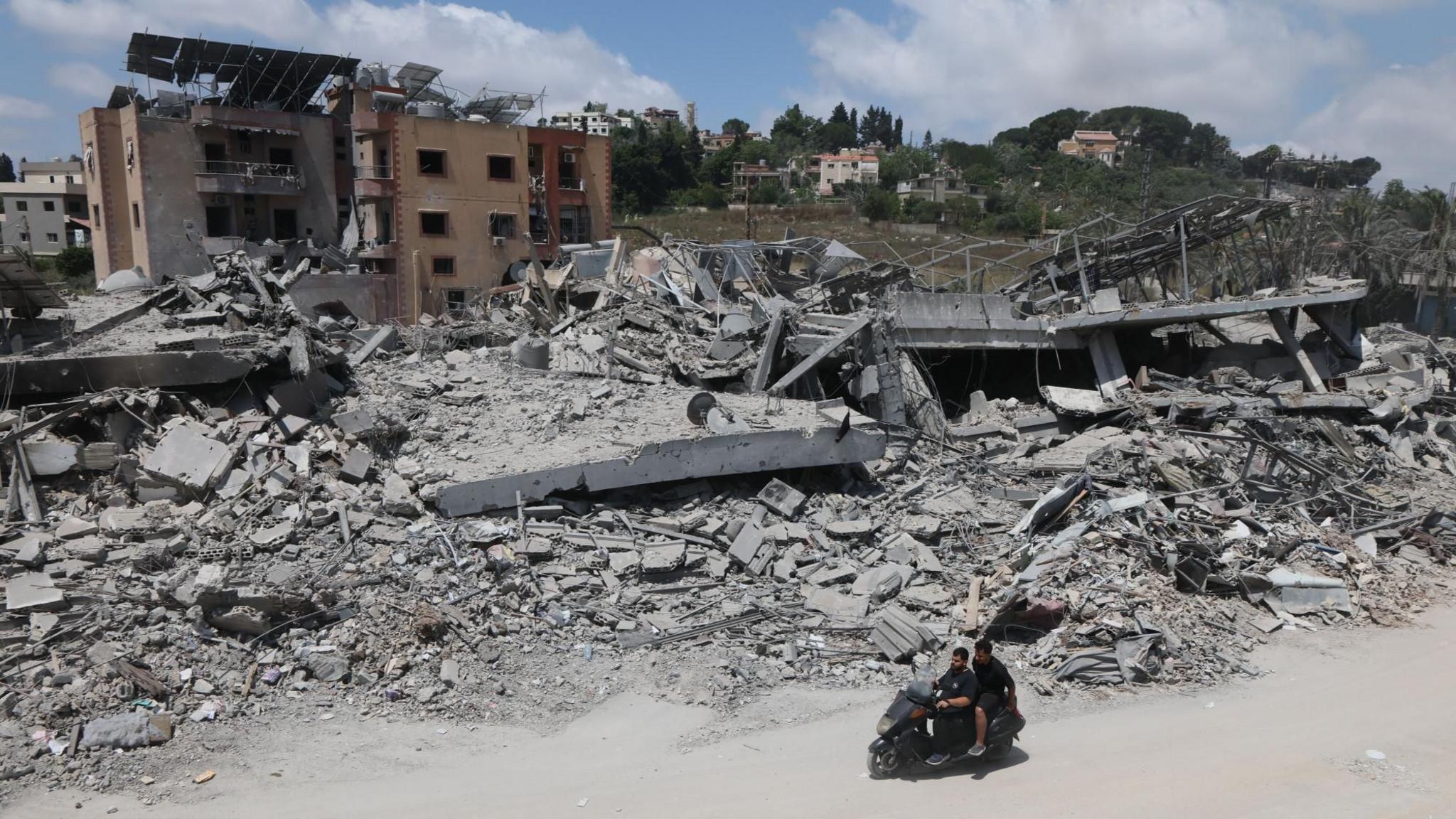
The knock-on effects of the conflict now whipping through the Middle East are awakening ghosts of crises past that shook the European Union.
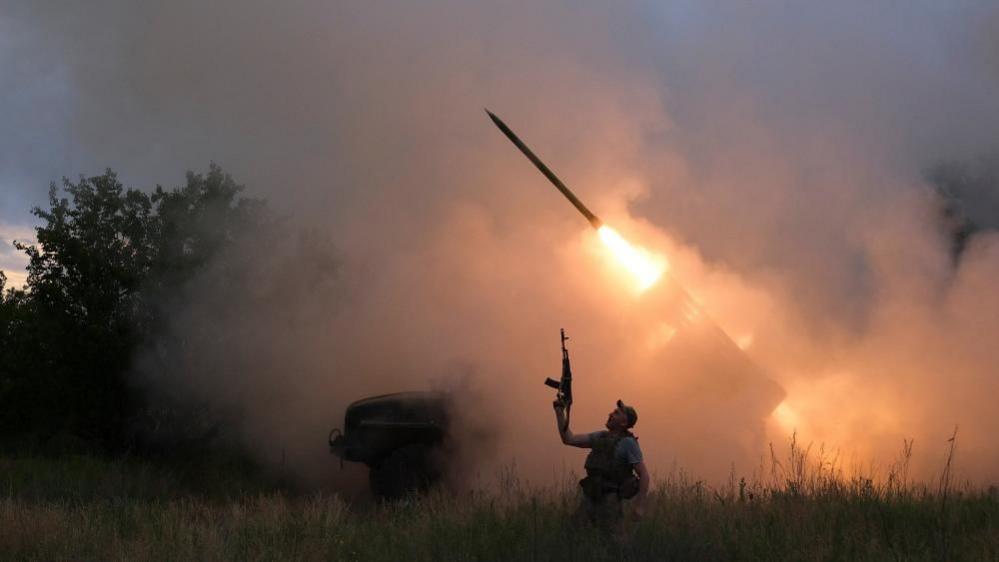
Seven months into Russia's full-scale invasion of Ukraine, the President of the European Commission stood at her podium in the European Parliament and accused Russia of manipulating the EU's energy market.
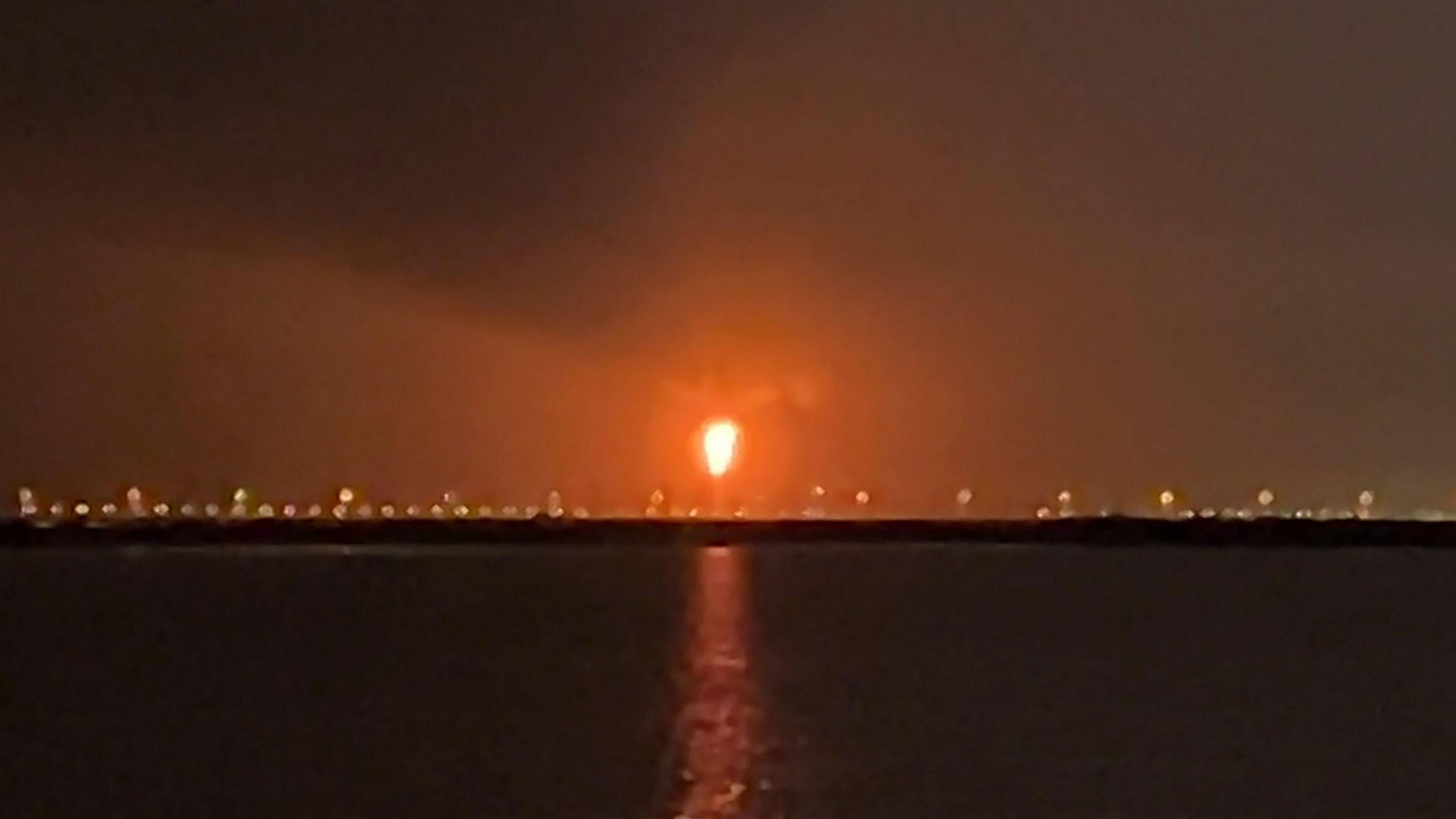
They prefer to flare the gas than to deliver it, proclaimed Ursula von der Leyen, as spiralling energy prices hit consumers across the continent. This market is not functioning anymore.
This is a war on our energy, a war on our economy, a war on our values and a war on our future, she declared, insisting that Europe was already pivoting away from Russian gas and toward more dependable partners such as the US and Norway.
However, fast forward four years, and frustration is palpable in the heart of Europe once again.
We swore we'd learn. We promised things would change but here we are, a highly frustrated European diplomat voiced anonymously, pinpointing the increasing energy shock triggered by the conflict in the Middle East.
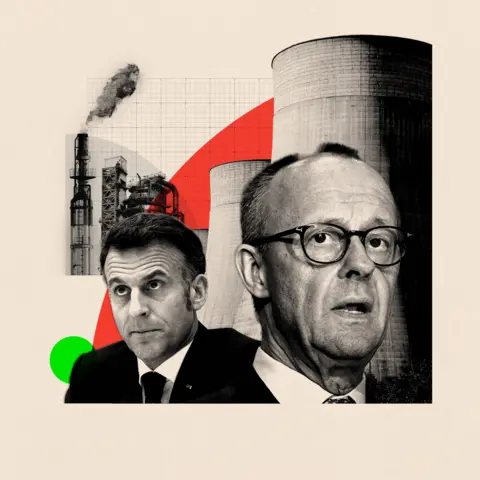
This impending energy crisis threatens to dominate a summit of European leaders in Brussels, where discussions will focus on immediate reactions to soaring prices instead of long-term energy strategies.
A flurry of short-term proposals are expected to emerge from the summit, highlighting a critical moment for European energy security.
Despite the strides made in shifting away from Russian energy, the EU now finds itself heavily reliant on expensive US LNG and near-maxed Norwegian supply, revealing the complexities of its energy dependence.
As the situation unfolds, the level of unity among EU member states remains uncertain. Leaders face the pressing challenge of finding a balance between maintaining energy security and addressing the rising economic pressures on consumers.
Will this crisis ignite a turning point for Europe, enabling it to forge a more resilient and secure energy future? Or will history repeat itself, marking another cycle of energy dependency and political strife?