Oil prices fall after Pakistan announces deal between US and Iran
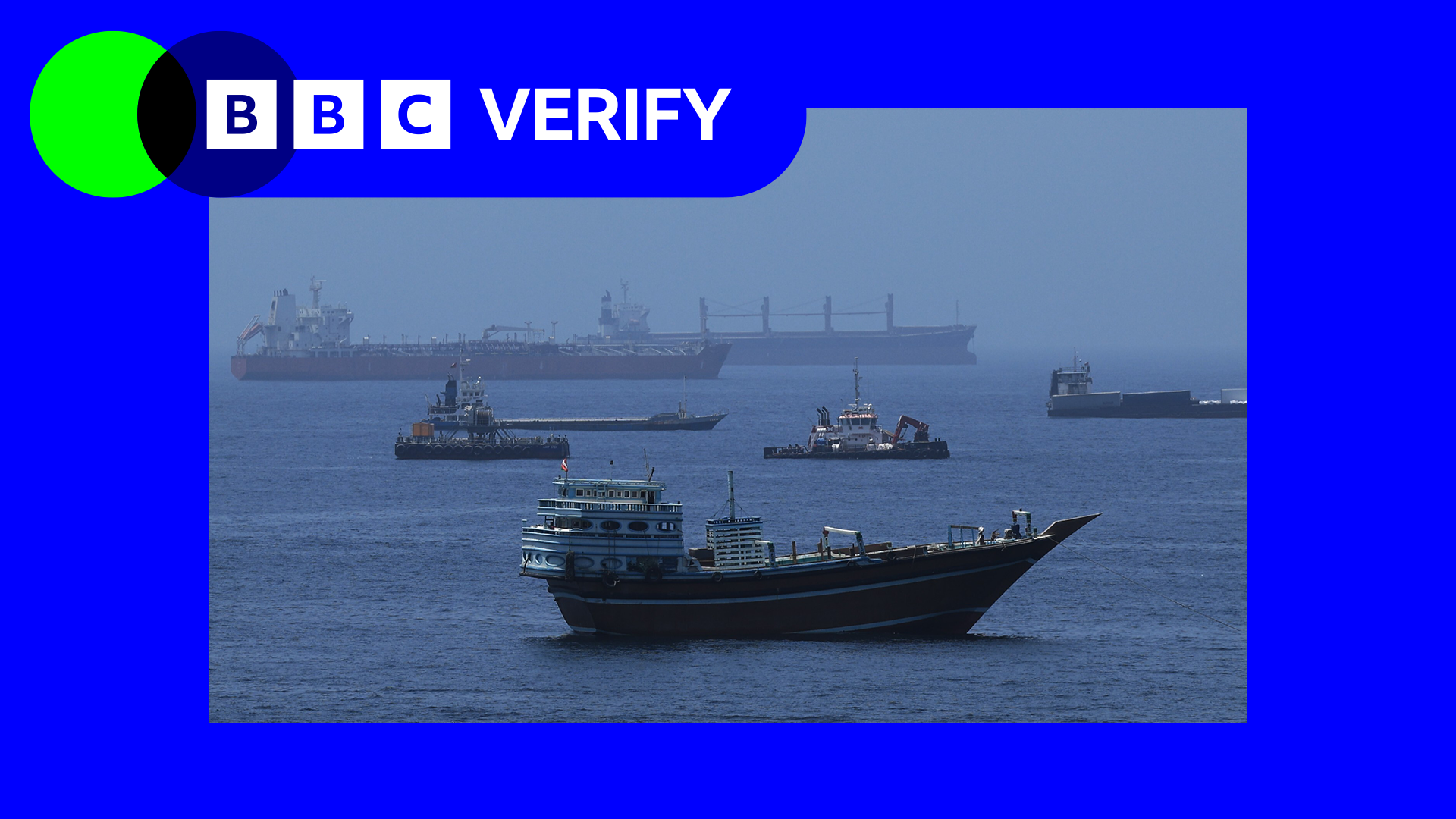
Oil markets slipped early on Monday in Asia when Pakistan, which has been acting as a neutral mediator, announced that an agreement between the United States and Iran could pave the way for the reopening of the key shipping route across the Strait of Hormuz.
The global benchmark of Brent crude fell 4.0% to $83.81 a barrel, while US‑traded oil slid 4.7% to $80.89. The drop reflects investor caution over the concrete details of the agreement, which are still pending.
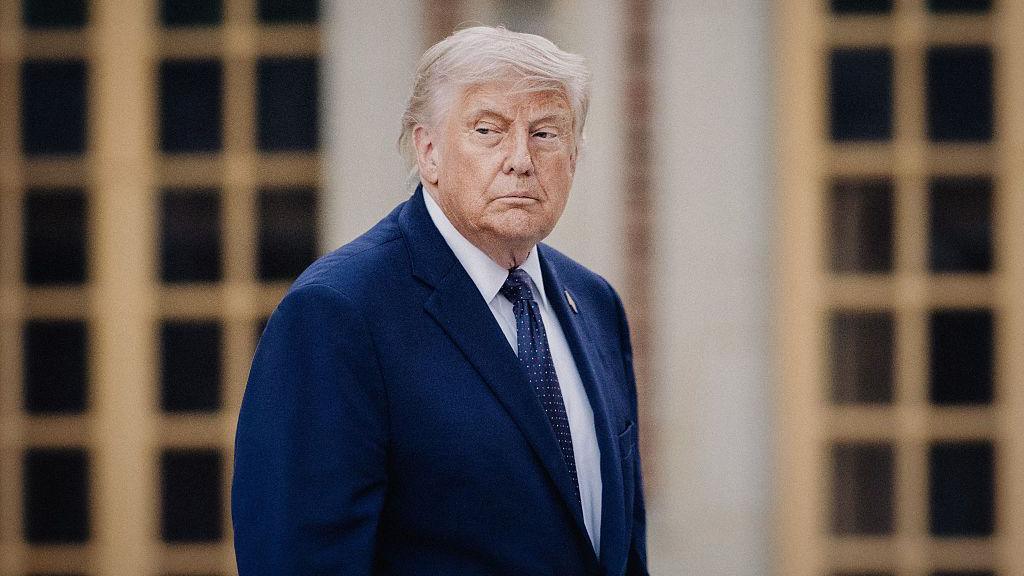
Prime Minister Shehbaz Sharif said a formal signing ceremony would take place on Friday, 19 June in Switzerland. Meanwhile, Iran’s Deputy Foreign Minister confirmed the deal on state television, and President Trump was emphatic on social media about oil flowing again.
Energy‑market analysts note that insufficient transparency could inject uncertainty into markets for a week or more. The Straits had essentially closed after the U.S. and Israel launched airstrikes on Iran on 28 February, prompting Tehran to threaten attacks on vessels passing through the waterway. Roughly 20% of the world’s oil and liquefied natural gas normally flows through this passage.
Brent crude, which traded around $70 a barrel before the conflict, rose to about $120 during the war. Experts caution that even if the strait reopens, the return of traffic may be delayed due to mines and lingering backlogs, possibly taking weeks to straighten out.
Asian stock markets mirrored the optimism, with Japan’s Nikkei 225 up 4.3% in morning trade and Korea’s Kospi gaining more than 5%. The region has been highly vulnerable to energy price swings given its heavy reliance on Middle East supplies.