Shipping Surge as US‑Iran Deal Opens Strait of Hormuz
After the United States and Iran staged a diplomatic break‑through last week, the world‑wide oil corridor that runs through the Strait of Hormuz has seen a noticeable uptick in traffic. Maritime‑tracking firm Kpler shows that 172 vessels have crossed the narrow waterway from 18 June, the day after the deal was signed, with 42 ships passing alone on the first Saturday of the new regime.
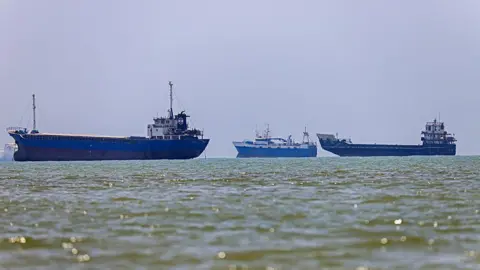
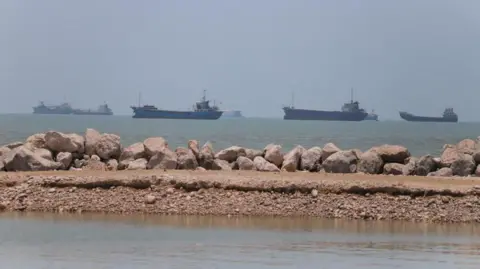
While the figure lags behind the pre‑conflict average of roughly 138 daily crossings, it marks a clear shift away from the blackout that had lasted months. Data from BBC Verify reveals that more than 200 tankers were idling within the strait on Tuesday, with 10 moving westward into the Gulf.
The lift of the U.S. naval blockade has allowed Iranian-associated oil to re‑enter international markets, notably thirteen tankers that have departed the Gulf loaded with Iranian crude and petrochemicals. A U.S. Treasury licence, active until 21 August, now permits the sale of these goods. Consequently, Brent crude prices have slipped to the lowest level seen since the conflict began.
In addition to oil, the new deal has reinstated normal trade. Several LNG carriers and cargo vessels have used the northern Iranian‑approved route, avoiding the southern corridor flagged by the Joint Maritime Information Center as free of mines. Those vessels benefitted from the closing of Iranian‑banned sanctions on the Persian Gulf Strait Authority, arguing that the PGSA‑issued permits were still essential for legal passage.
Iran’s own stances have been erratic. The Revolutionary Guards first reported a “closure” of the strait in response to Israeli strikes in Lebanon, yet the Strait kept a finger‑point of movement. According to a Tehran ambassador, the corridor was open at the UN in Geneva, while other sources dictated that daily transits would be capped. This uncertainty is reflected in ship traffic, with only a handful of vessels continuing to traverse the strait via the northern route.
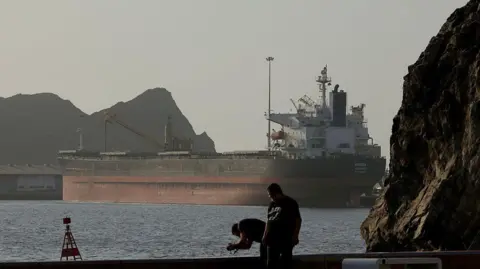
Mine warnings have injected caution into the resumption of shipping. JMIC, a consortium that includes the United States, has repeatedly warned vessels against the central strait lanes, citing active mines. Two mine‑coordinates have been published while clearance operations continue, nudging crews towards the narrower southern corridor and to the coast of Oman. Even so, the number of tankers seen travelling the safer south is currently limited to four on a single day.
The PGSA has hoisted its permit system, maintaining that no vessel without a valid permit may transit Hormuz. The U.S. sanctions on the PGSA have, however, made some ship owners reticent to apply for Iranian permits. The ongoing partnership between Iran and Oman will shape the future of strait administration and maritime services, but the immediate impact is a hesitant, cautiously resumed flow of trade through a key global artery.
Additional reporting by Ghoncheh Habibiazad, BBC Persian