The United States and Iran have signed a preliminary peace agreement that, once signed, will end the ongoing war between the two nations. The deal was signed in France during the G7 summit and is set to take effect immediately.
Key elements of the agreement include:
- Reopening the Strait of Hormuz with no navigation fees for 60 days.
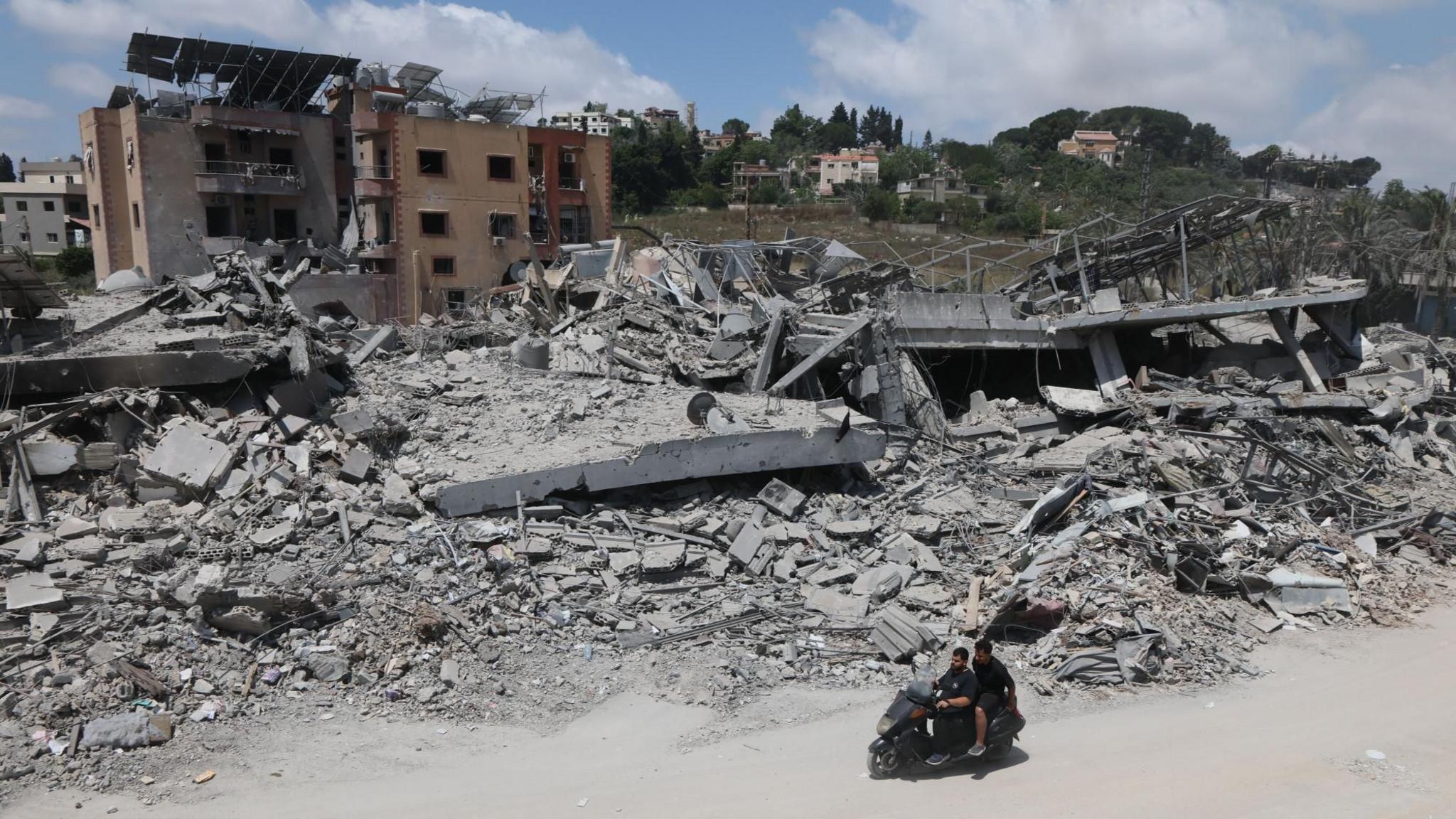
- A £224bn ($300bn) reconstruction package for Iran.
- Complete removal of all US sanctions on Iran.
- Commitment to negotiate a final, comprehensive deal within a 60‑day period, extendable by mutual consent.
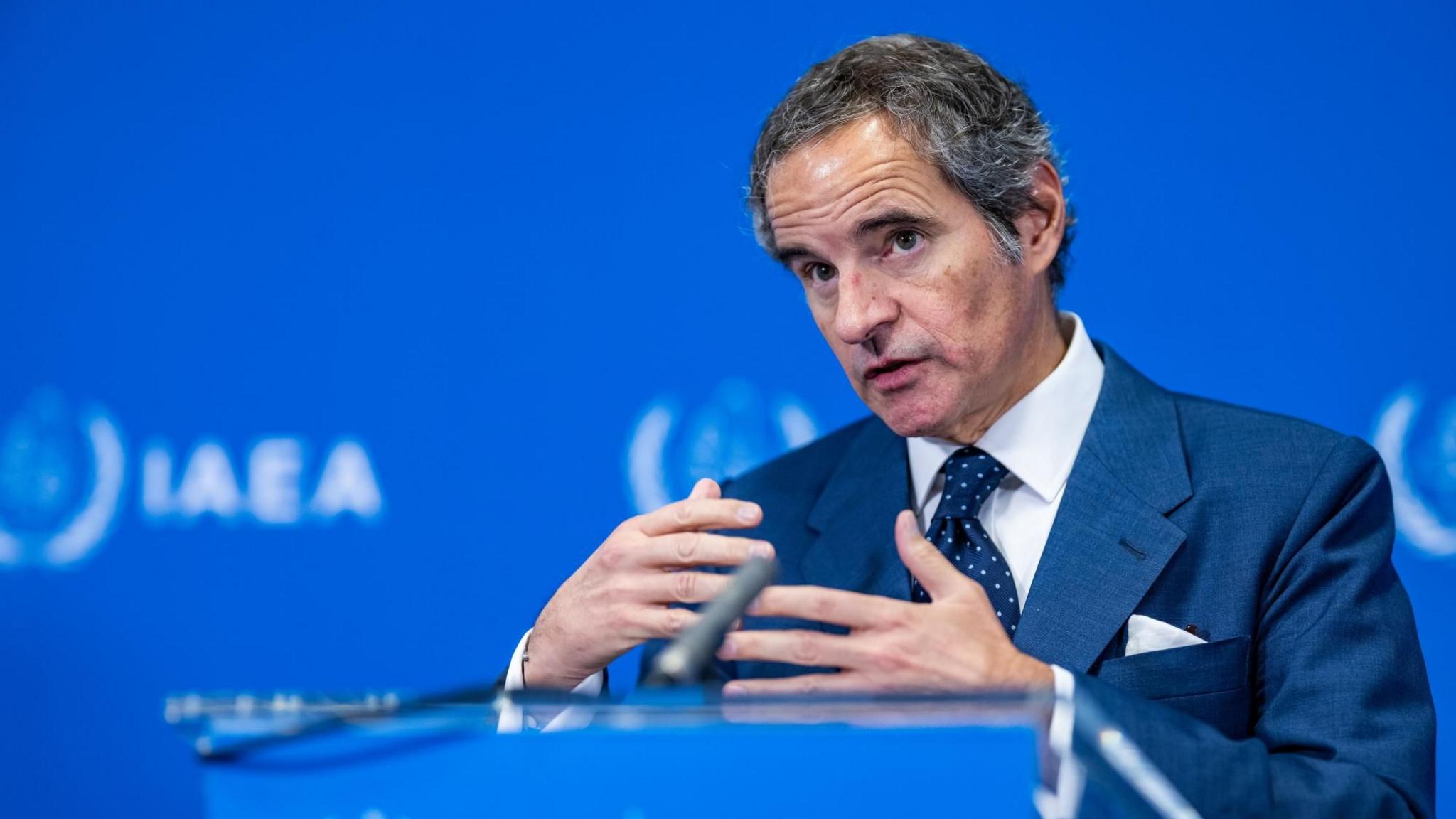
- Iran’s pledge not to pursue, procure or develop nuclear weapons; enriched uranium will be down‑blended on site under IAEA supervision.
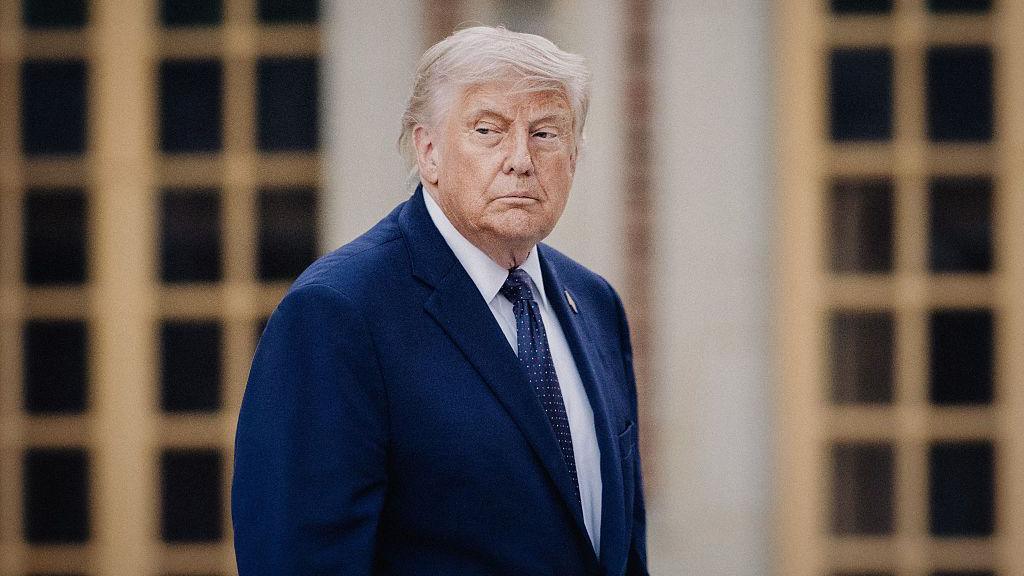
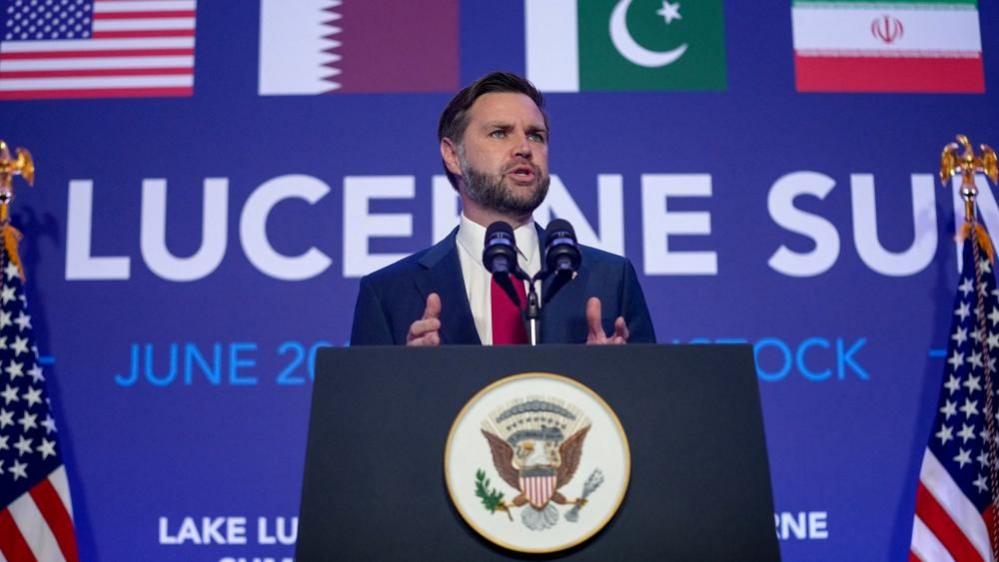
President Trump, who signed the memorandum at a state dinner hosted by President Emmanuel Macron in the Palace of Versailles, highlighted that the plan would prevent an economic catastrophe and urged for a swift implementation. He warned that if a final agreement is not reached, the US could resort to military action.
Iranian President Masoud Pezeshkian confirmed his signature, while parliamentary speaker Mohammad Bagher Ghalibaf expressed continued mistrust of the United States, citing that Iran’s finger is on the trigger.
The deal, however, leaves the nuclear issue on an informal table. While the United States removed all sanctions, it also stated that it will not provide any funds to Iran for its reconstruction beyond the proposed $300bn, which was misrepresented as a direct infusion on several occasions during the summit.
Reactions are mixed. Republicans such as Senators Bill Cassidy and Ted Cruz criticize the fund and argue it is a “bad deal,” while Democrats, including Senator Jeanne Shaheen, say the pact fails to address Iran’s support for proxies like Hezbollah and its missile programme. Internationally, the story continues to unfold, with oil prices initially falling after the announcement before stabilizing at a level above pre‑war prices.