Thu, 19 June 2026 – 05:38 GMT
Authored by Jessica Rawnsley

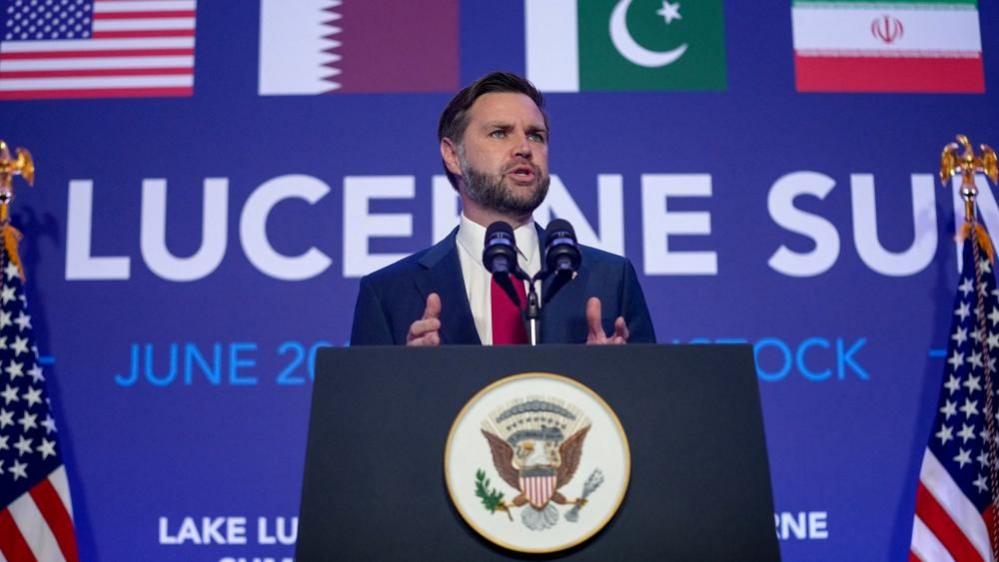
A new round of direct talks between Washington and Tehran has been postponed after Vice‑President JD Vance withdrew from a planned visit to Switzerland. The White House said the logistics would not be simple or predictable, and that plans for the meetings had not been finalised.
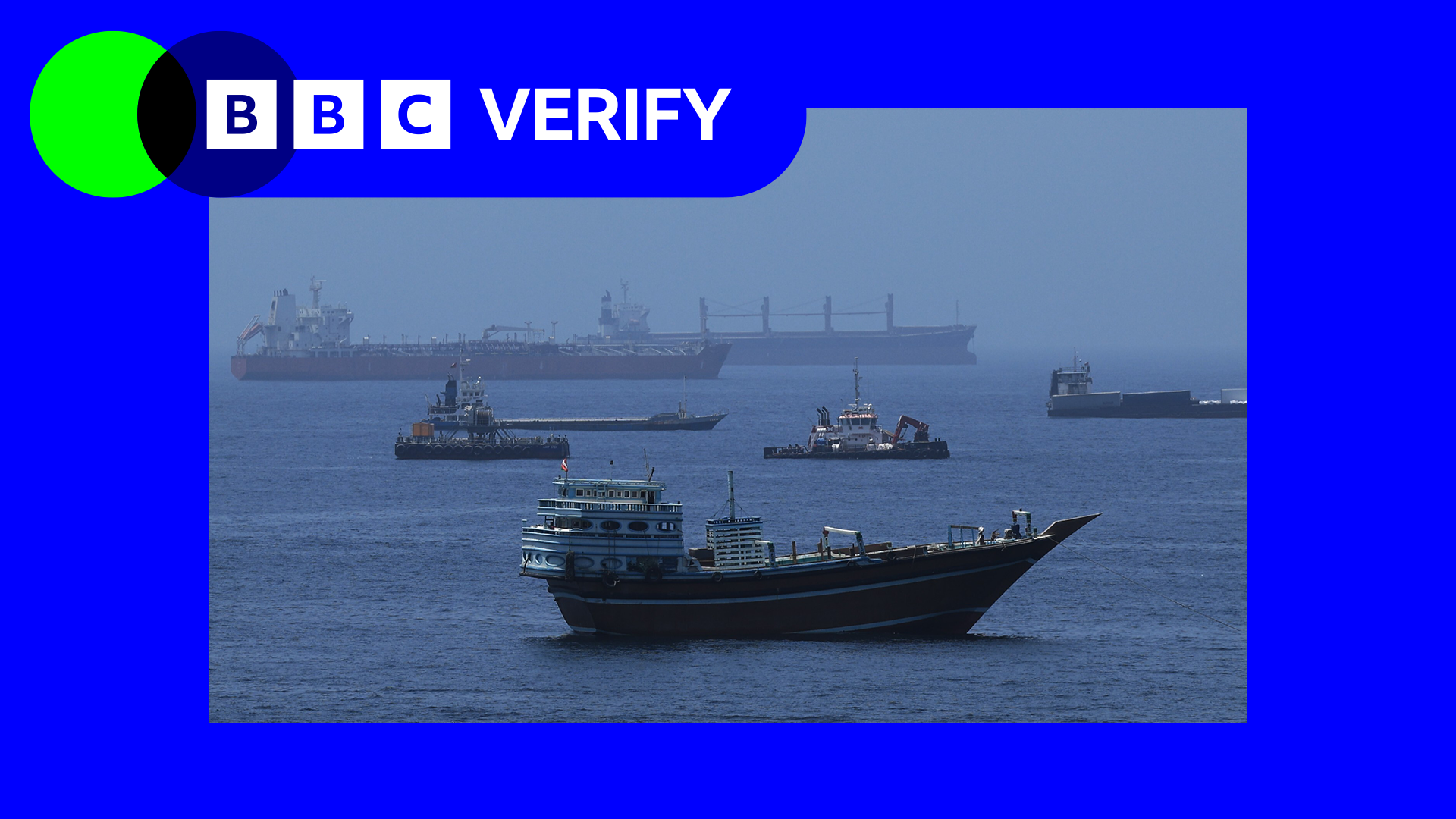
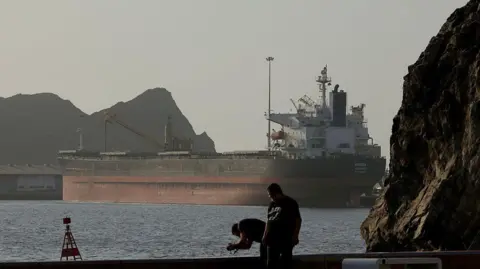
The decision follows the United States’ sudden lift of its naval blockade of Iran – a key element of the agreement signed earlier this week that aims to resolve the long‑standing conflict. The deal covers a range of items, including the reopening of the Strait of Hormuz, a no‑nuclear‑weapon guarantee for Iran, a $300 billion reconstruction plan, and the removal of all types of sanctions against Iran.
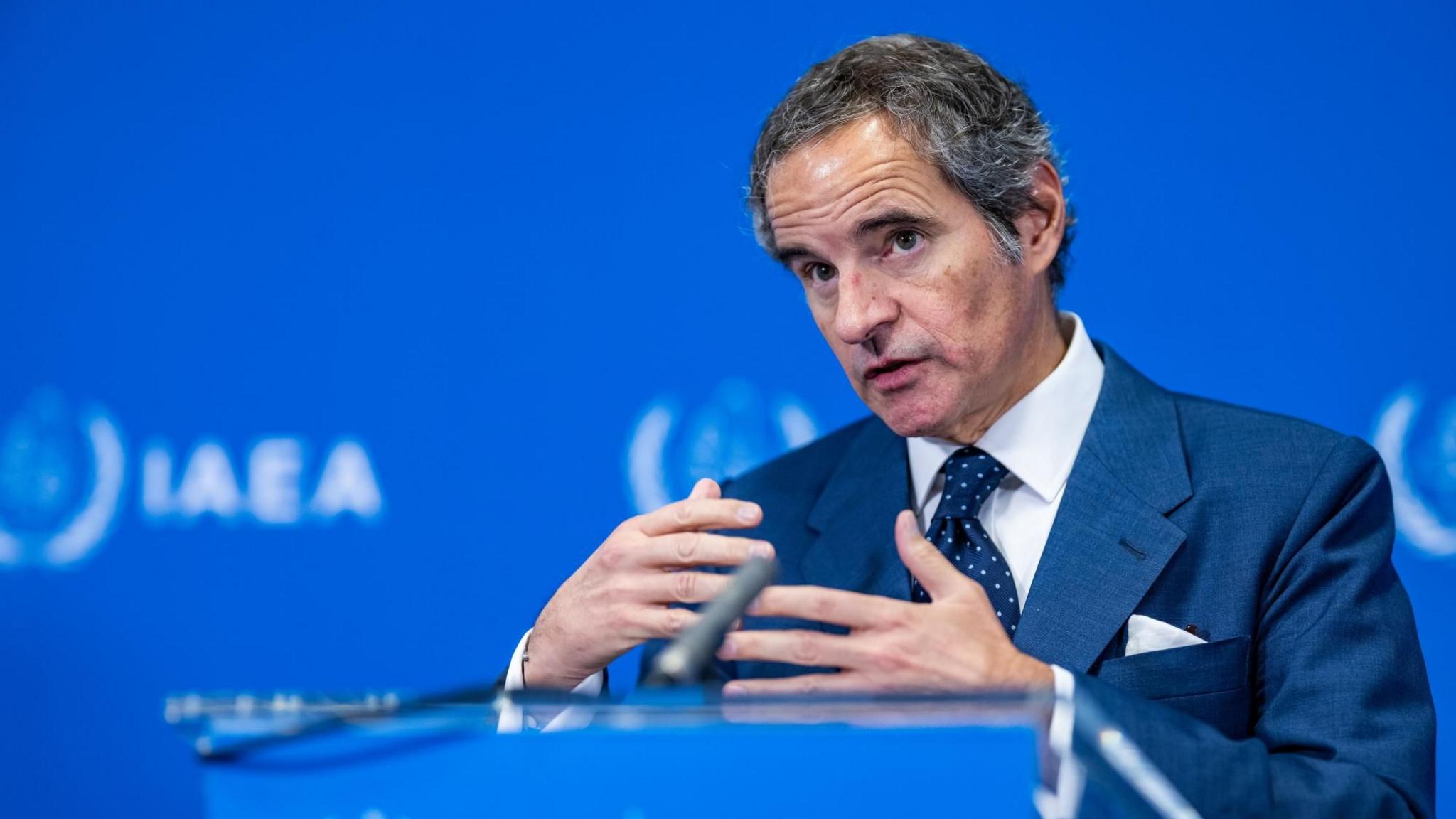
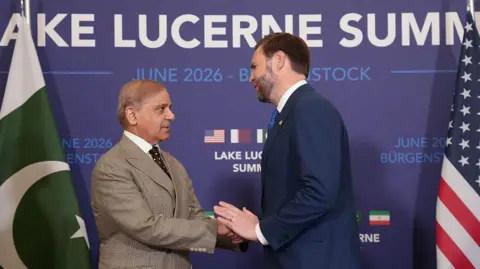
Negotiators were slated to meet for “technical discussions” on the next steps from the agreement, with the aim of moving forward on implementation and longer‑term challenges such as Iran’s nuclear programme. The talks were set to take place at the Burgenstock mountaintop resort in Switzerland.
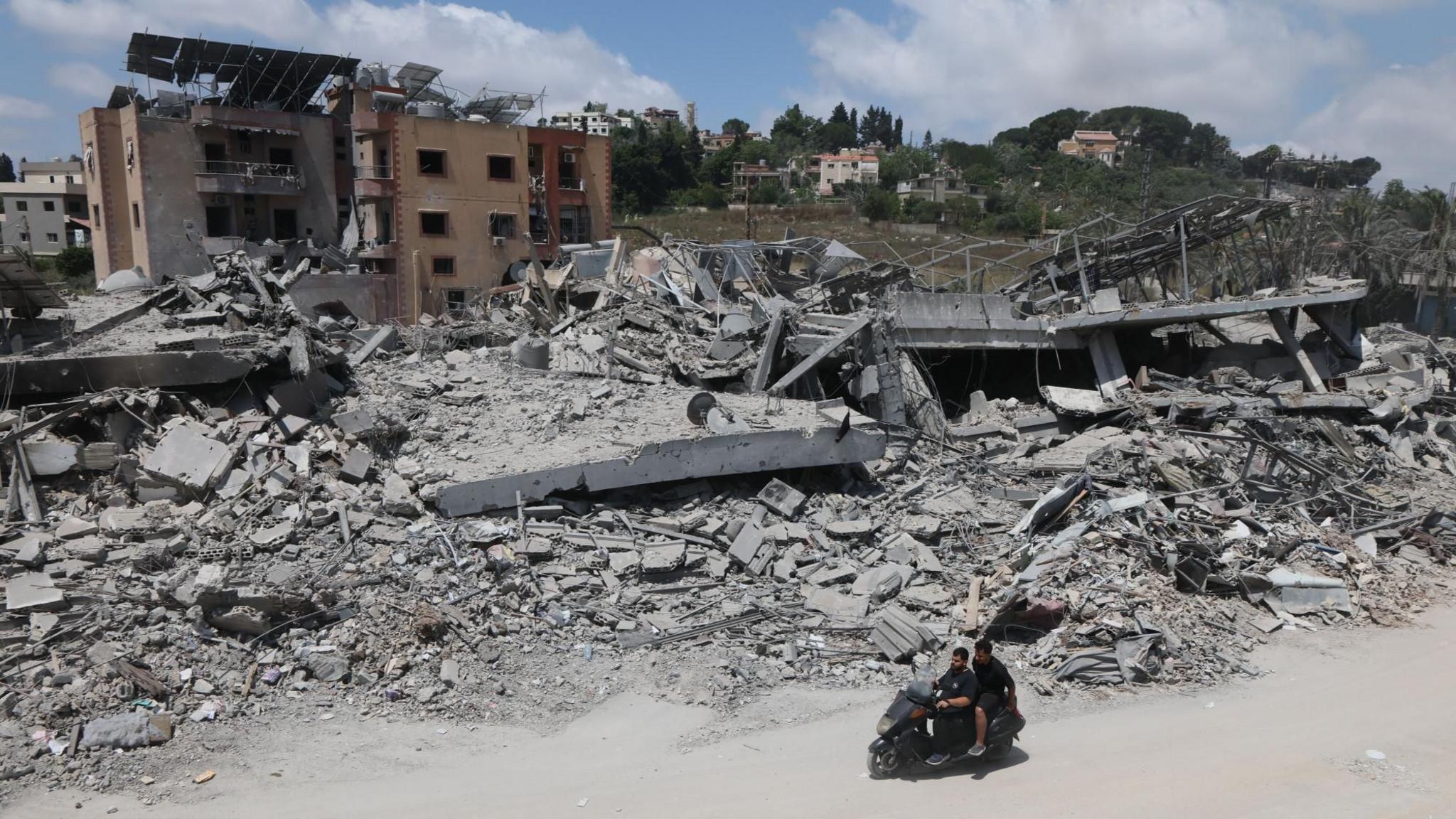
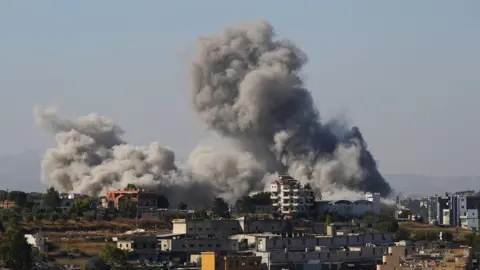
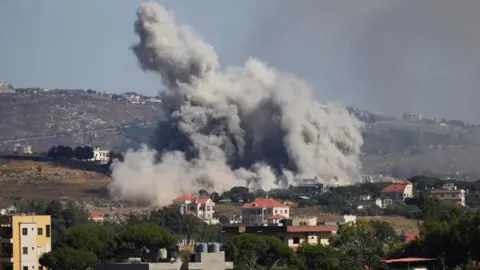
Meanwhile, tensions have escalated in Lebanon, where Israeli air strikes killed at least 18 people overnight. Israeli forces say they targeted infrastructure linked to the Iran‑backed group Hezbollah, while four Israeli soldiers were reported killed. Hezbollah‑linked media have suggested that the talks might have been suspended due to these ongoing strikes.
The Iranian Supreme Leader, Sheikh Mohammad Khamenei, commented that the agreed pact had been accepted, but warned that it did not amount to a war‑negotiation that would imply acceptance of the enemy’s position. He also noted that future in‑person negotiations between Tehran and Washington would not equate to endorsing the adversary’s stance.
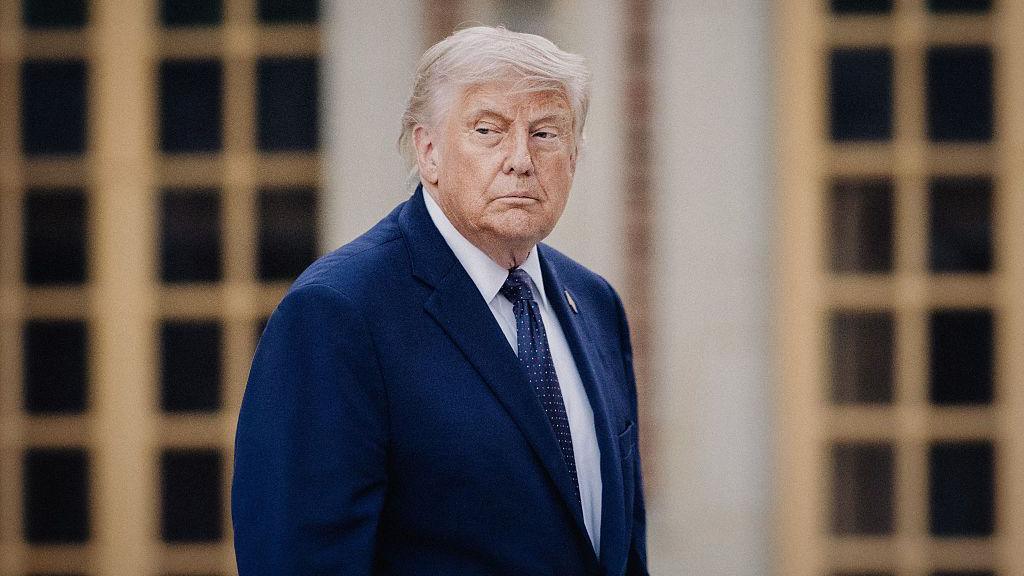
U.S. President Donald Trump, in a post on Truth Social, called for a ceasefire “on all fronts,” including between Israel and Hezbollah in Lebanon.
In addition, the agreement stresses a permanent cessation of conflict and the protection of Lebanon’s territorial integrity and sovereignty. Lebanon’s state news agency has described the last night's bombardment in the southern Nabatieh district as one of the war’s most intense, registering 18 fatalities, 33 injuries, and several buildings damaged.
The United States has expressed eagerness to resume the technical talks “as soon as possible,” but the postponement means the next steps remain uncertain. The deal’s success depends not only on diplomatic progress but also on the easing of regional hostilities and adherence to the commitments it sets out.