After a war that has raged for over 100 days, a new memorandum of understanding signed between the United States and Iran arrives at a juncture where both sides claim victory, yet both face challenges in keeping the deal alive.
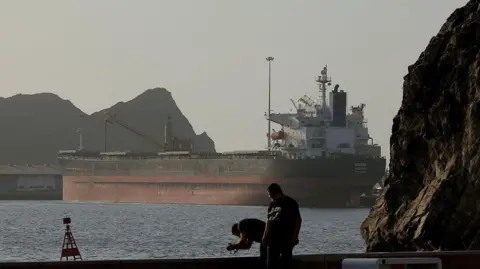
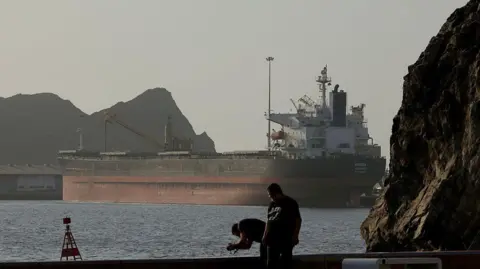
The MoU, a 60‑day framework, immediately halts military operations on all fronts, opens the Strait of Hormuz for commercial shipping, and sets the stage for a future discussion on Iran’s nuclear programme. It also promises the United States to lift its naval blockade, issue waivers for Iranian oil exports, release frozen assets, ease sanctions, and provide a reconstruction plan worth at least $300 bn.
For Iran, the document delivers a ceasefire, a chance to restore sovereignty, and a narrative that the regime survived the conflict without capitulating. Tehran’s leadership, having portrayed the war as a triumph for hardliners, now faces the risk that a necessary compromise on highly enriched uranium could be perceived as a concession after a declared victory.
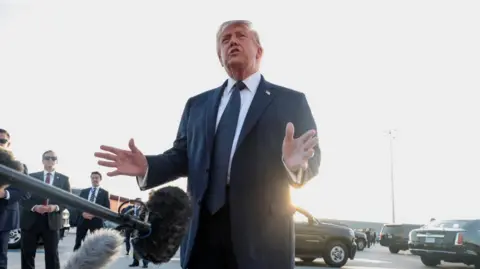
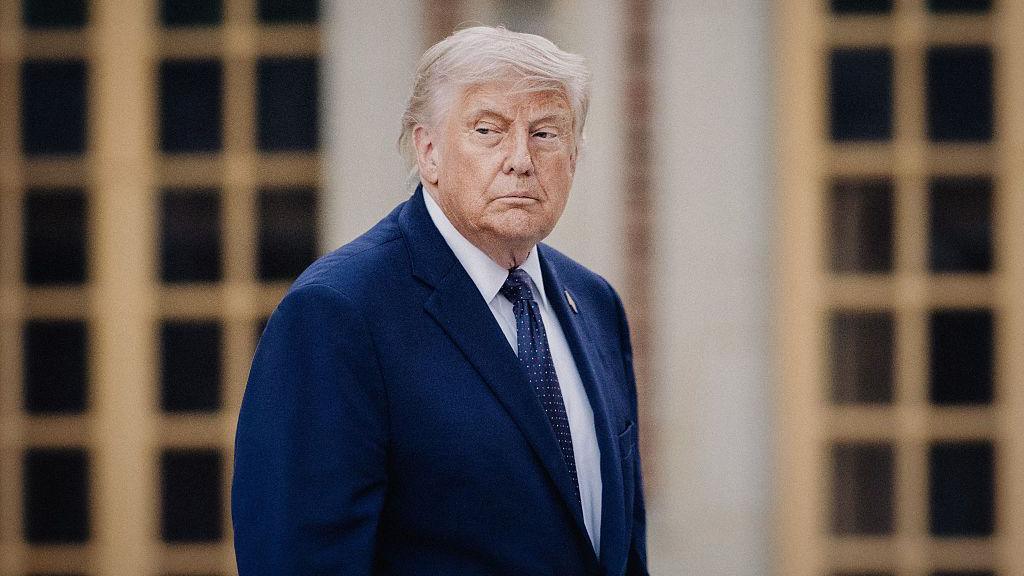
In Washington, Donald Trump heralds the deal as a “major win,” framing it as a means to protect American interests and curb Iran’s nuclear ambitions while re‑opening global trade routes. Critics in the U.S. political sphere, however, see the concessions as excessive, citing the promised $300 bn reconstruction fund and the absence of decisive actions against Iran’s regional proxies.
Both sides share doubts: Iran’s populace and hardliner base demand tangible benefits to justify the accord, while U.S. supporters of Israel’s security question whether the agreement adequately addresses regional arms flows. The next 60 days will reveal whether the MoU can satisfy domestic pressures, secure a lasting ceasefire, and advance the heavy‑laden subject of nuclear enrichment.