Trump‑backed Outsider Wins Colombia Election in Close Runoff Showdown
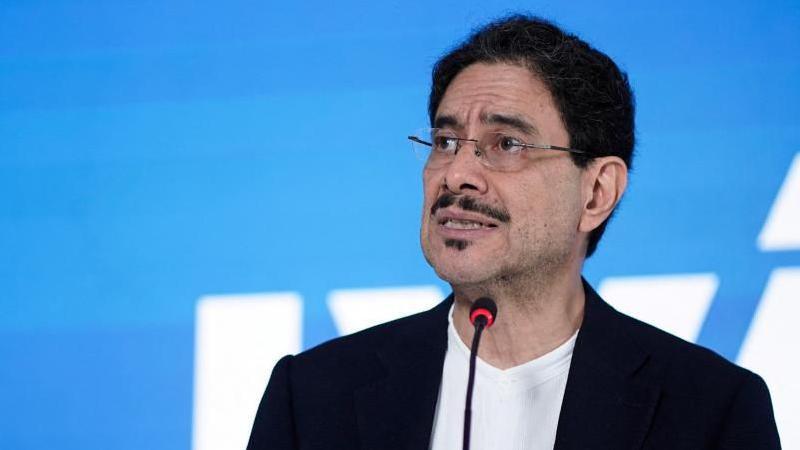
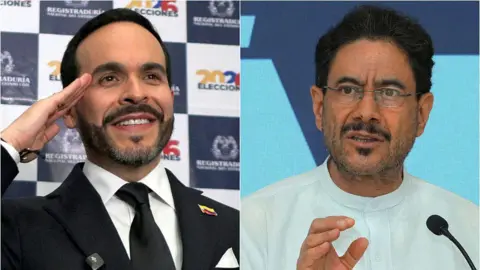
The first ballot of Colombia’s 2026 presidential runoff saw former lawyer Abelardo de la Espriella, a politically‑oriented outsider, triumph over left‑wing candidate Ivan Cepeda, an ally of sitting President Gustavo Petro. With more than 99 % of votes counted, de la Espriella edged ahead with 49.7 % compared to Cepeda’s 48.7 %.
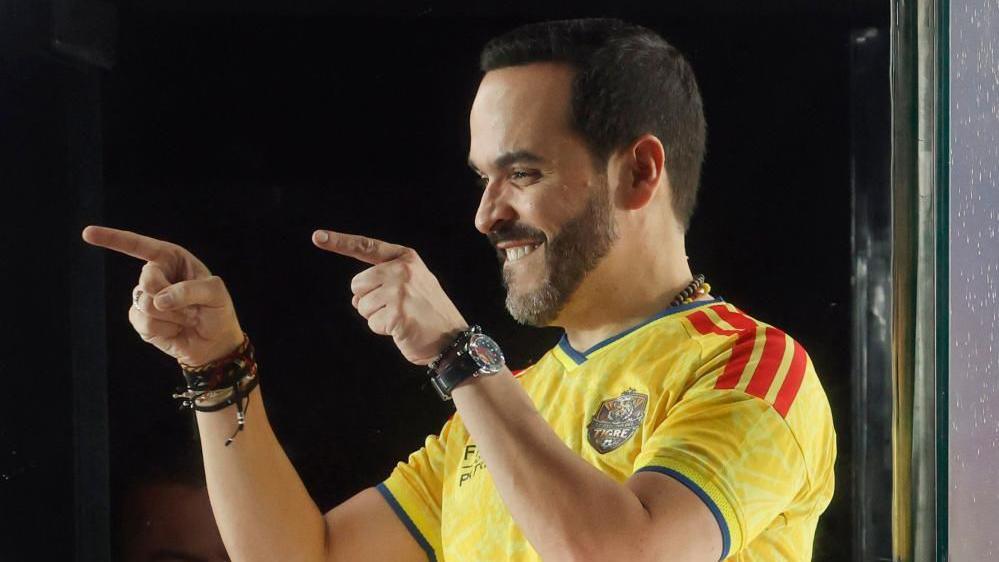
De la Espriella, who earned the moniker 'El Tigre' and is a veteran of Colombian and U.S. law, pledged a sweeping military crackdown against illegal armed groups, drug trafficking and crime. He dismissed calls for negotiations with insurgent factions and announced plans to rebuild law and order with stronger cooperation from the United States.
Campaign Highlights
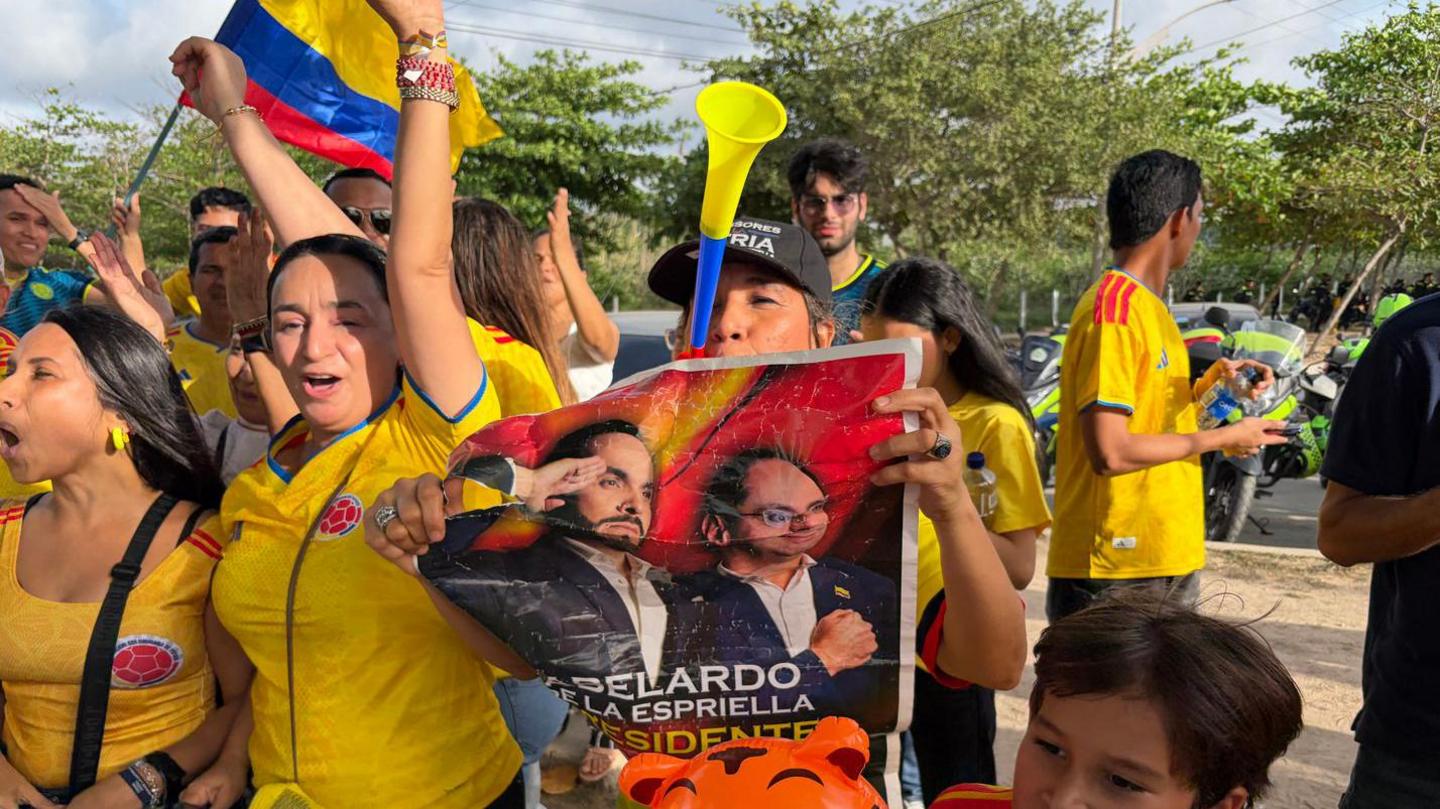
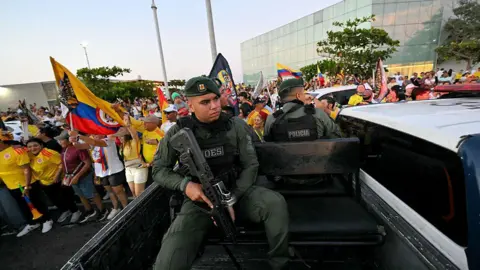
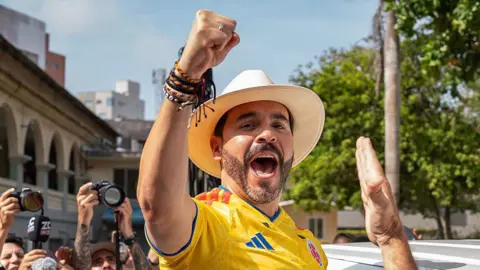
A passionate rally in Barranquilla saw supporters chanting 'Petro out!' and chanting slogans such as 'Make Colombia Great Again!' with yellow football jerseys. The crowds celebrated with fireworks and solemn speeches that stressed a new era of security and prosperity.
The victory has triggered street protests in Cali where demonstrators burned U.S. flags and police used tear gas to disperse large crowds. Some protestors accused de la Espriella of politicizing football iconography and called for the revocation of the election while others emphasised the need for a peaceful transition.
Reactions from the Political Establishment
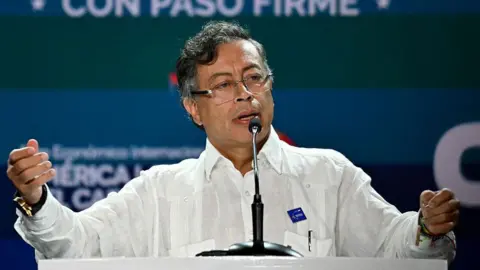
President Petro issued a statement on X stating the preliminary results were 'not yet official or binding' and demanded an audit of voting software, citing accusations of possible manipulation at certain polling stations.
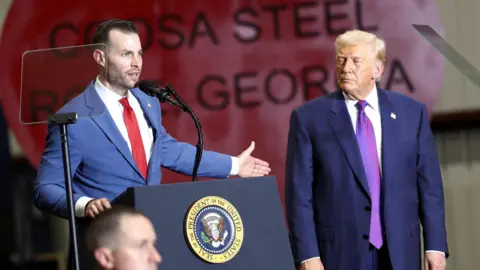
International observers noted the result reflected a broader regional shift toward right‑wing rule amid growing concerns over security. Figures such as Argentine President Javier Milei and Chilean President José Antonio Kast expressed support, framing the election as a step toward greater safety and economic liberty.
Policy Implications
Colombia has struggled with a decades‑long armed conflict involving FARC, ELN, and cartels that contest lucrative coca production and mining claims. De la Espriella’s agenda includes abandoning negotiated ceasefires, creating expansive prison facilities in the Amazon, shrinking the state apparatus, and reforming health care, aiming to deliver a hard‑line stance on law enforcement.
His campaign, heavily laced with U.S. support, signals a dramatic realignment in Colombian politics. The outcome has raised questions about democratic resilience and the potential for new interior conflicts, prompting citizens across the nation to monitor the unfolding implications closely.