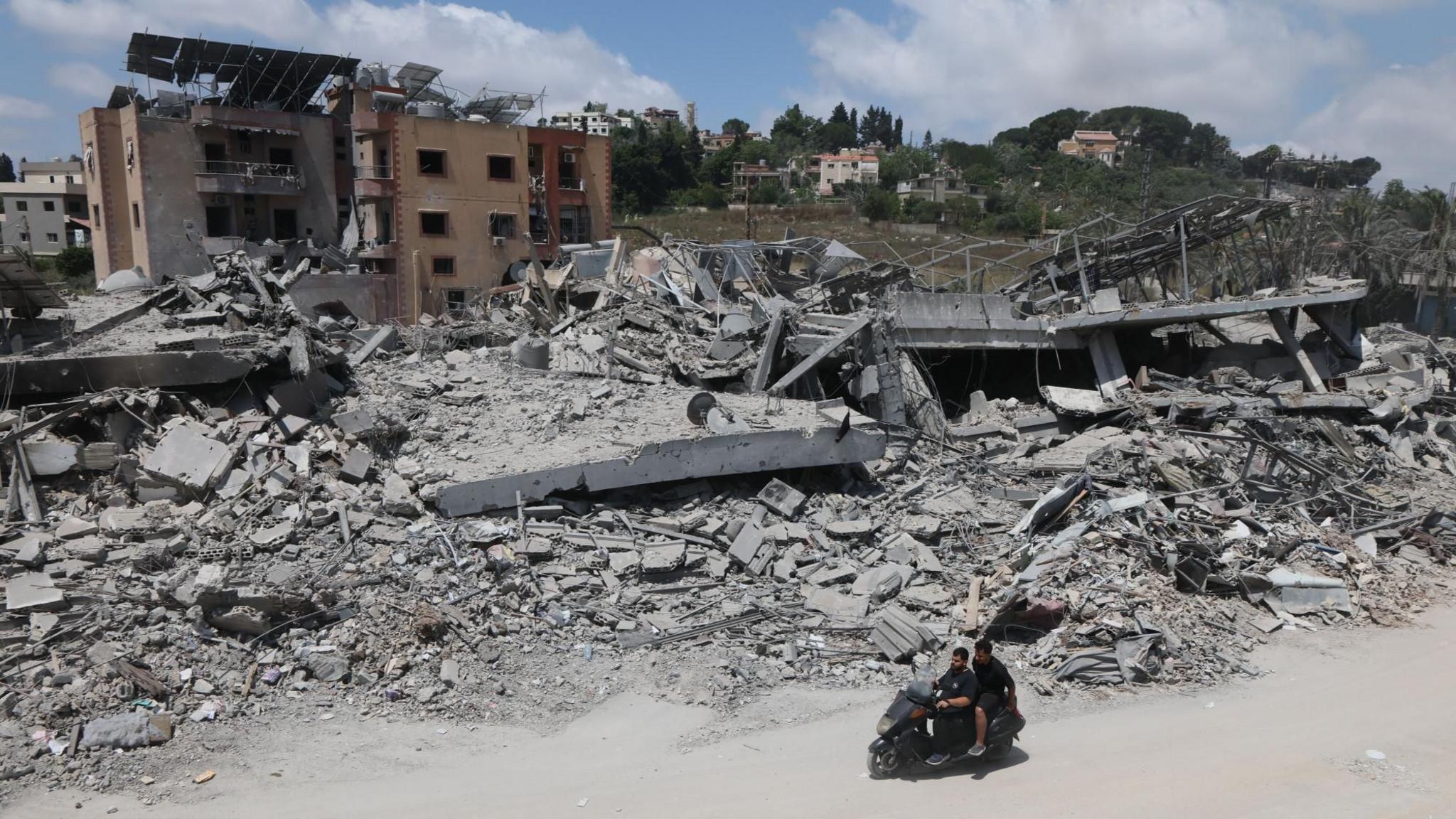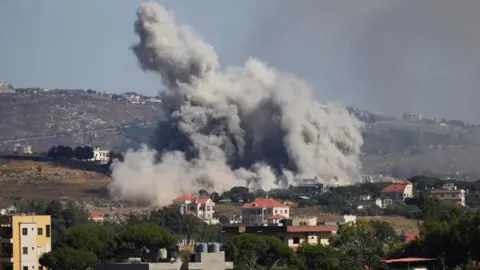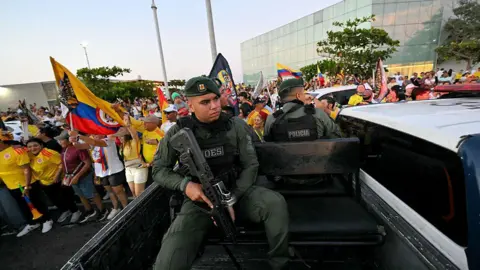
Colombia’s presidential race is being fought in a country still reeling from decades of armed conflict. Violent clashes between guerrilla groups, the state and criminal cartels have killed hundreds of thousands and pushed many into the streets in search of safety.
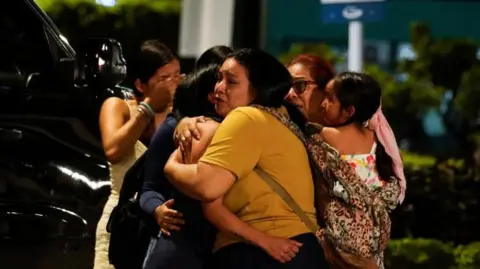
“My brother was murdered for not paying an extortion payment…in front of his children,” says Edilma Martinez Flores, a refugee who fled her home on the outskirts of Cali after a leaflet demanded residents leave or face violence. The story has become one of many, as illegal discarding of bombs along travel routes forces families to abandon their belongings.
In 2026, the surge in conflict is no surprise: illegal armed groups have roughly doubled their membership in the last five years, with factions such as FARC dissidents, the ELN, and the Clan del Golfo tightening control over lucrative rural territories.
These gangs are now at the heart of voters’ concerns. Israelcha Mercado Pineda, a government advisor on peace, notes a 300 % rise in forced displacement between 2024 and 2025—“we have not seen displacement like this for the last two decades.” The problem is driven by growing cocaine production, weak territorial control after FARC’s demobilisation in 2016, and a perceived lack of a strong state presence.
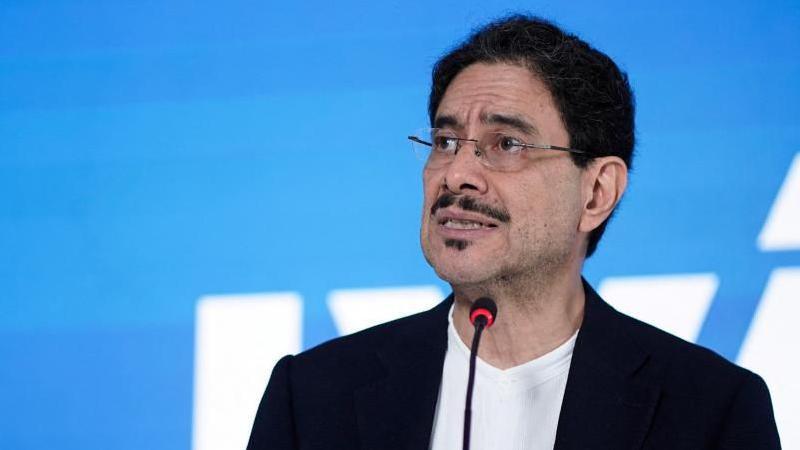
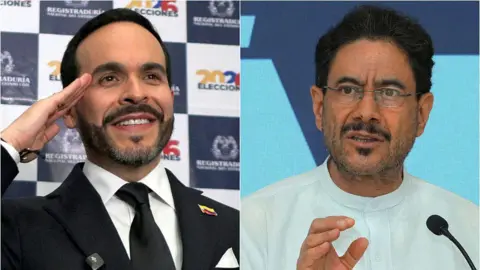
Against this backdrop sit two far‑different candidates. Left‑wing senator Iván Cepeda has championed Gustavo Petro’s “total peace” strategy that prioritises negotiation with armed groups, pledging social transformation and a review of the peace approach. He is seen as an architect of the 2016 peace deal that disarmed thousands of FARC fighters.
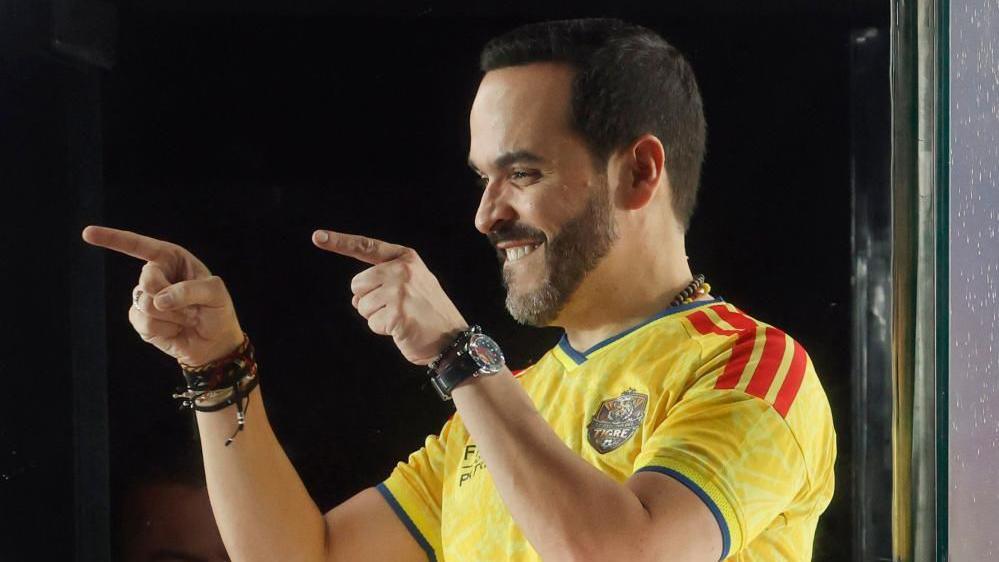
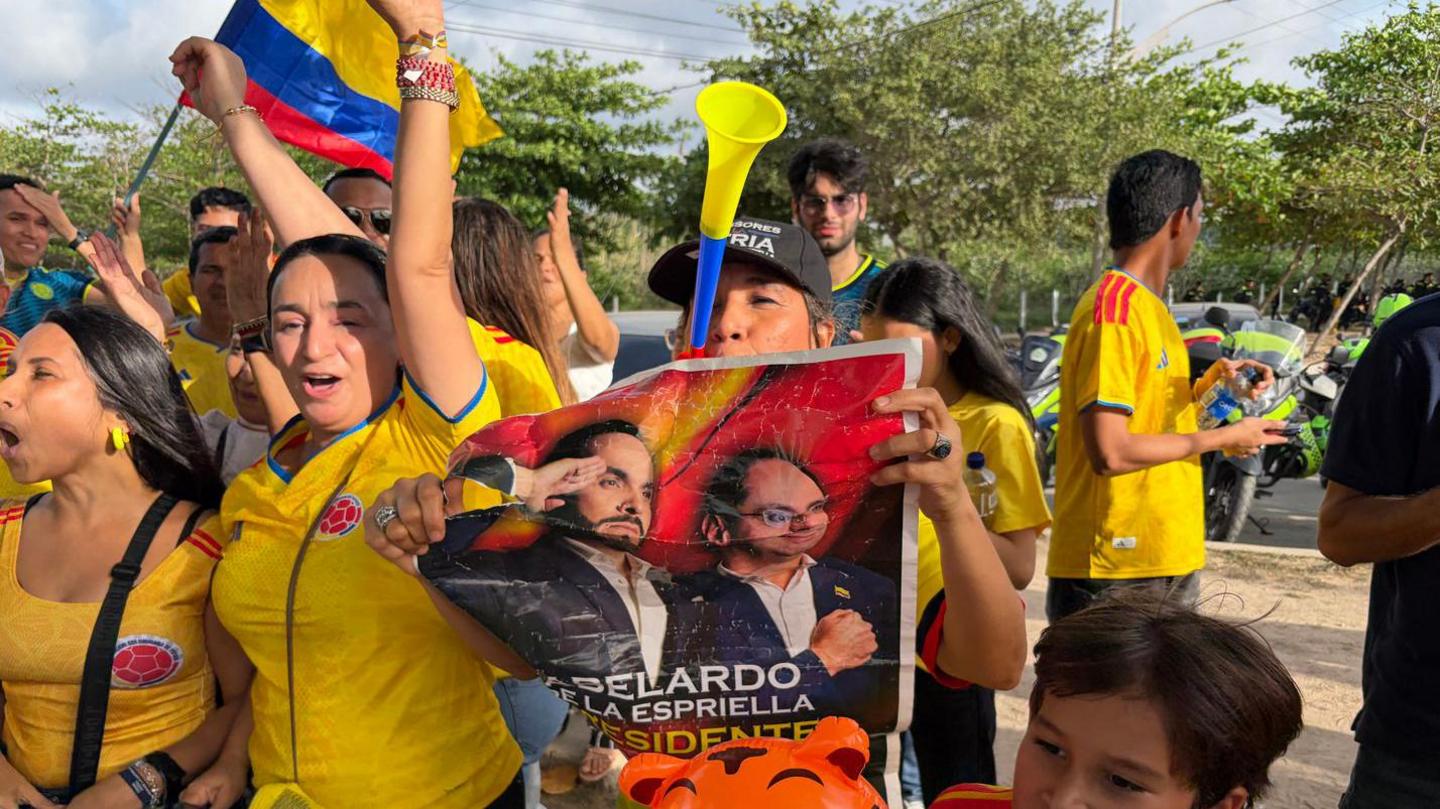
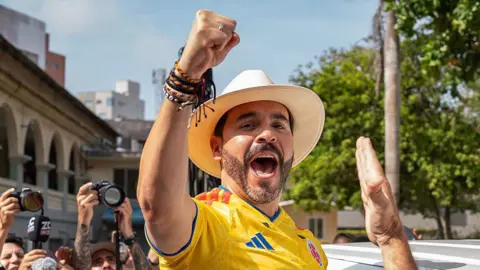
Opposing him is the right‑wing businessman Abelardo de la Espriella, known as “El Tigre.” Backed by Donald Trump, he promises ten mega‑prisons, a hard‑line military crackdown and the end of negotiations with armed groups. “Any criminal who does not surrender will be taken down,” he says. He also vows to tax companies differently to spur job creation and invest in security and health.
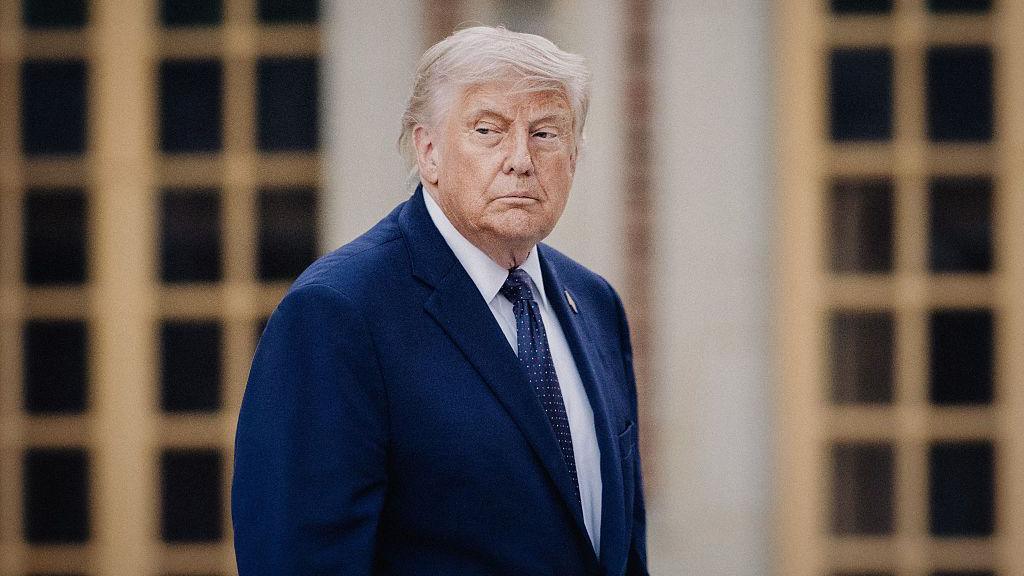
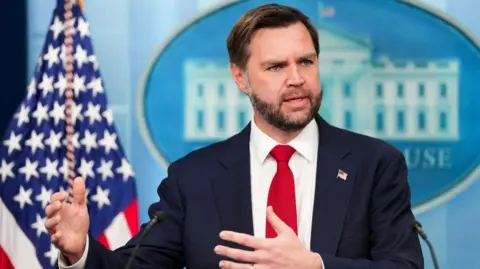
Trump’s endorsement has sparked debate. “The election will determine Colombia’s relationship with the United States,” he says, offering “total support and strength” to a de la Espriella victory while branding Cepeda a “radical left Marxist.” The endorsement amplifies calls to keep the country firmly aligned with U.S. interests.
Among younger voters, the choice is sharp. «Cepeda’s proposal for security confronts the state’s coercive forces and reveals structural roots of insecurity—poverty, inequality, and young people drawn into criminal groups,» says young voter Catalina La Grande. She adds, “We want a negotiated security that combines repression with social programmes.”
Overall the election promises to deepen the divide, with violence, displacement and a hard‑line versus negotiated security debate shaping every conversation and decision in the streets of Bogotá and beyond.