In brief
The US has announced a cessation of its annual $400m contribution to South Africa’s HIV/AIDS programs, a move that follows years of diplomatic tension. The government cited South Africa’s failure to meet policy requests and a push for the country to become self‑reliant in healthcare. South Africa’s health ministry said it had not been formally informed and noted that most ant‑retviral drugs are funded by its own budget. The abrupt withdrawal threatens the largest HIV program in the world, which directly aids over eight million South Africans living with the virus.
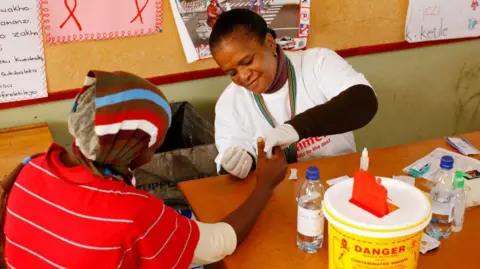
The United States announced it will cease funding the President’s Emergency Plan for AIDS Relief (PEPFAR) programmes in South Africa, where more than eight million people live with HIV.
Under a $400 million a year contribution that had been earmarked to support testing, treatment and prevention, the move follows years of criticism over South Africa’s domestic policies and the USA’s broader diplomatic stance.
South Africa’s health ministry said it had not been formally informed but has been developing a “self‑reliance” plan to sustain treatment programmes independently.
Health officials emphasize that ant‑retviral drugs and life‑saving treatment remain largely funded by the national government, even as the overseas support is cut.
The phased drawdown was triggered by claims that South Africa failed to meet policy requests made by the White House, and it was framed as a push for the country to support its own healthcare needs, citing its status as a middle‑income nation.
The abrupt withdrawal will affect the country’s largest HIV response, which has historically benefited from PEPFAR’s emergency funding.
For more background, you can read BBC Africa’s related coverage on the US withdrawal and the ongoing debate over “white genocide” accusations.