Ethiopia’s Prosperity Party Wins Election Landslide Amid Rising Conflict Fears
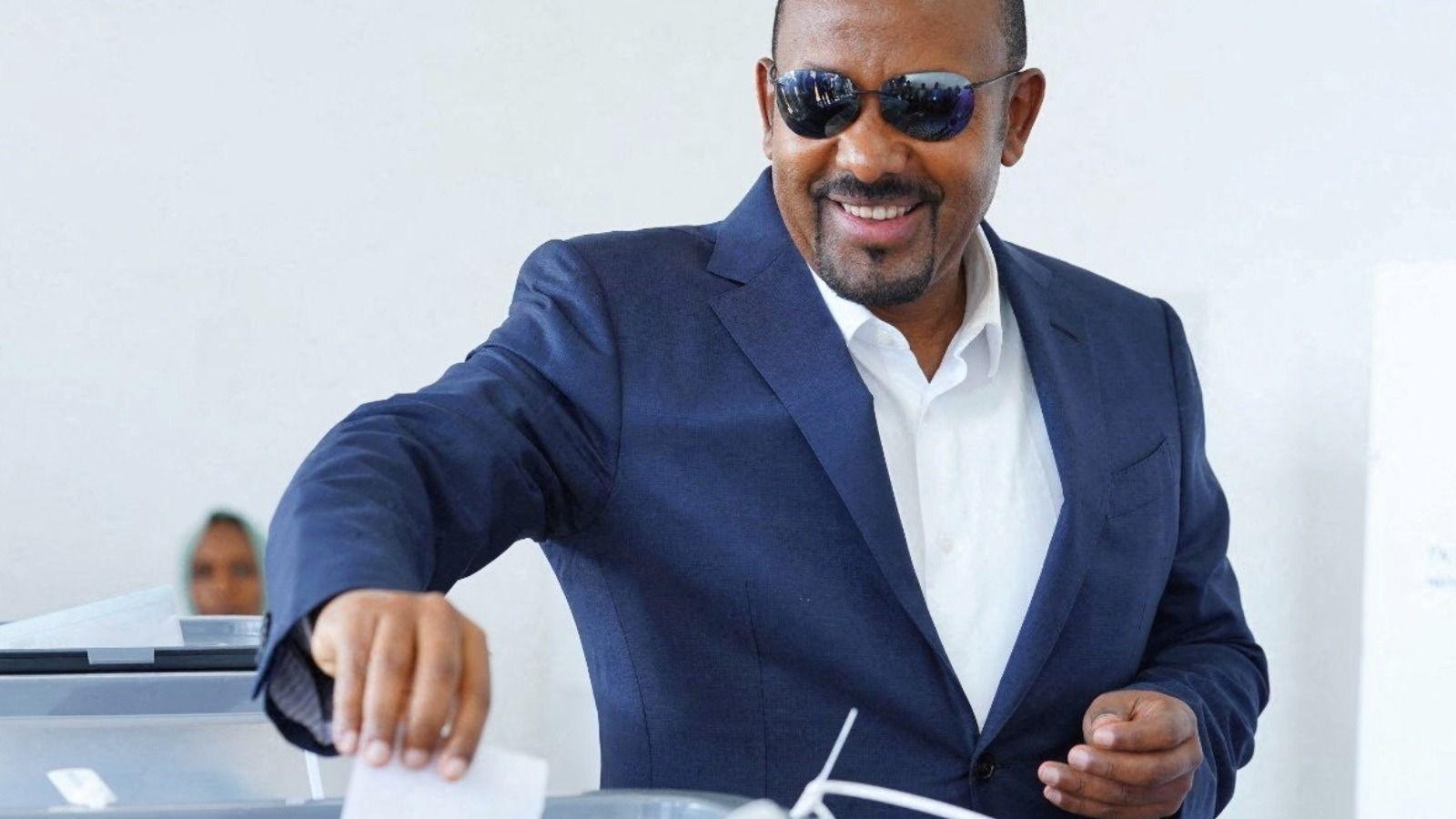
Prime Minister Abiy Ahmed’s Prosperity Party secured 438 of the 501 contested seats in Ethiopia’s general election on June 1, giving the party an overwhelming majority in Parliament. The party will form the new government, and Abiy is set for a swearing‑in at the start of October. For supporters, this result signals a continuation of the economic gains and reforms the party claims it has unleashed.
The election was contested by a range of factors. In the nation’s most populous regions – Amhara, Oromia and Tigray – 143 polling stations were forced to close because armed groups, including the Fano militias and the Oromo Liberation Army, threatened or blocked access to voters. In Tigray’s 38 constituencies, a complete boycott of voting was announced following a spiral of security concerns, for the region that had only recently finished a two‑year civil war.
The prosperity party’s win does not rule out a return to violence. The Tigrayan people’s liberation front (TPLF) remains on the brink, accusing Abiy’s government of breaching a 2022 peace deal, while Abiy’s forces interrogate the TPLF’s willingness to negotiate. Analysts note that the risks of a new conflict are real, especially as Ethiopia seeks access to a Red Sea port and Eritrea – which became a republic in 1993 – continues to view Addis Ababa as a potential threat.
Addis Ababa has also been linked to the ongoing war in Sudan, with allegations that it supports the Rapid Support Forces. Reports say it has sent military aid to factions in Sudan, a claim that Ethiopia denies, but the entanglement further heightens the danger of a broader regional spill‑over.
The European Union, the United States and other international actors have called for an immediate de‑escalation. The U.S. announced targeted visa restrictions against individuals deemed responsible for undermining peace in Tigray. Meanwhile, security experts worry that continued low‑level tensions could ignite a severe conflict across northern Ethiopia.
While Abiy’s party may secure a seat in Parliament, the future of Ethiopia hinges on whether the government can address the deep‑rooted disputes in Tigray, Amhara and Oromia without reigniting a war that could devastate the region again.