Deadly Overnight Strikes in Lebanon: 18 Killed, Israel Confirms Four Soldier Deaths
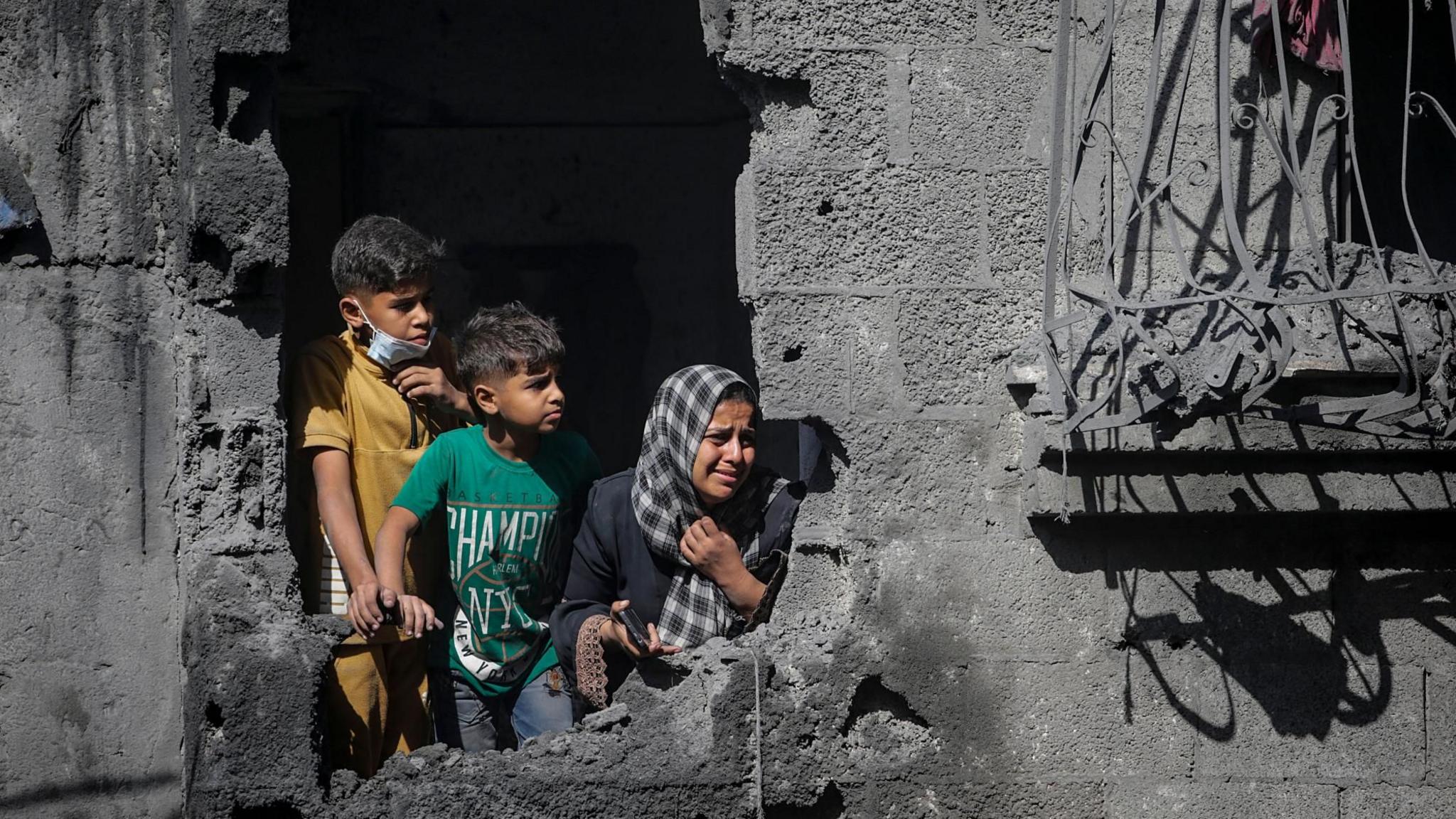
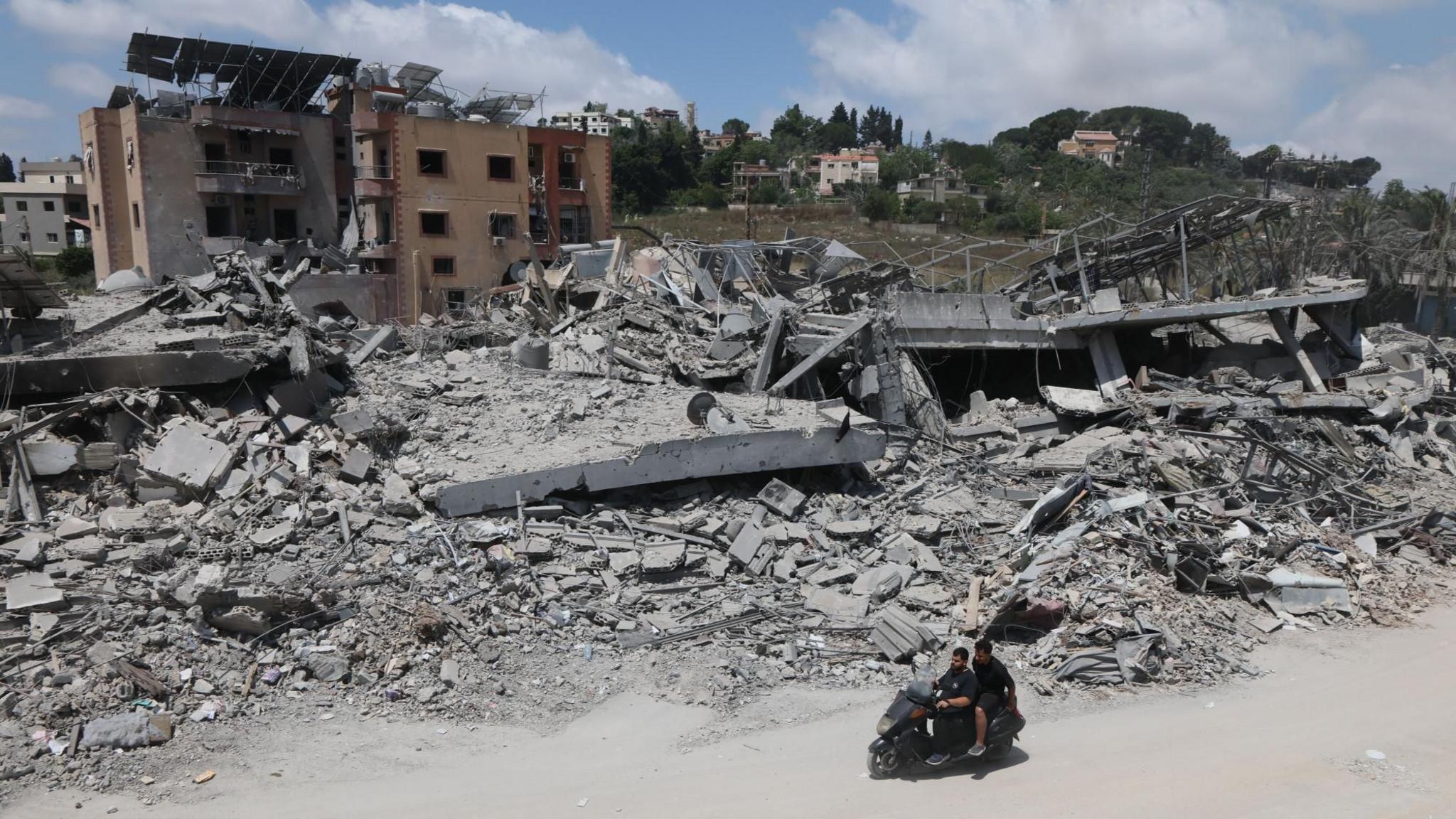
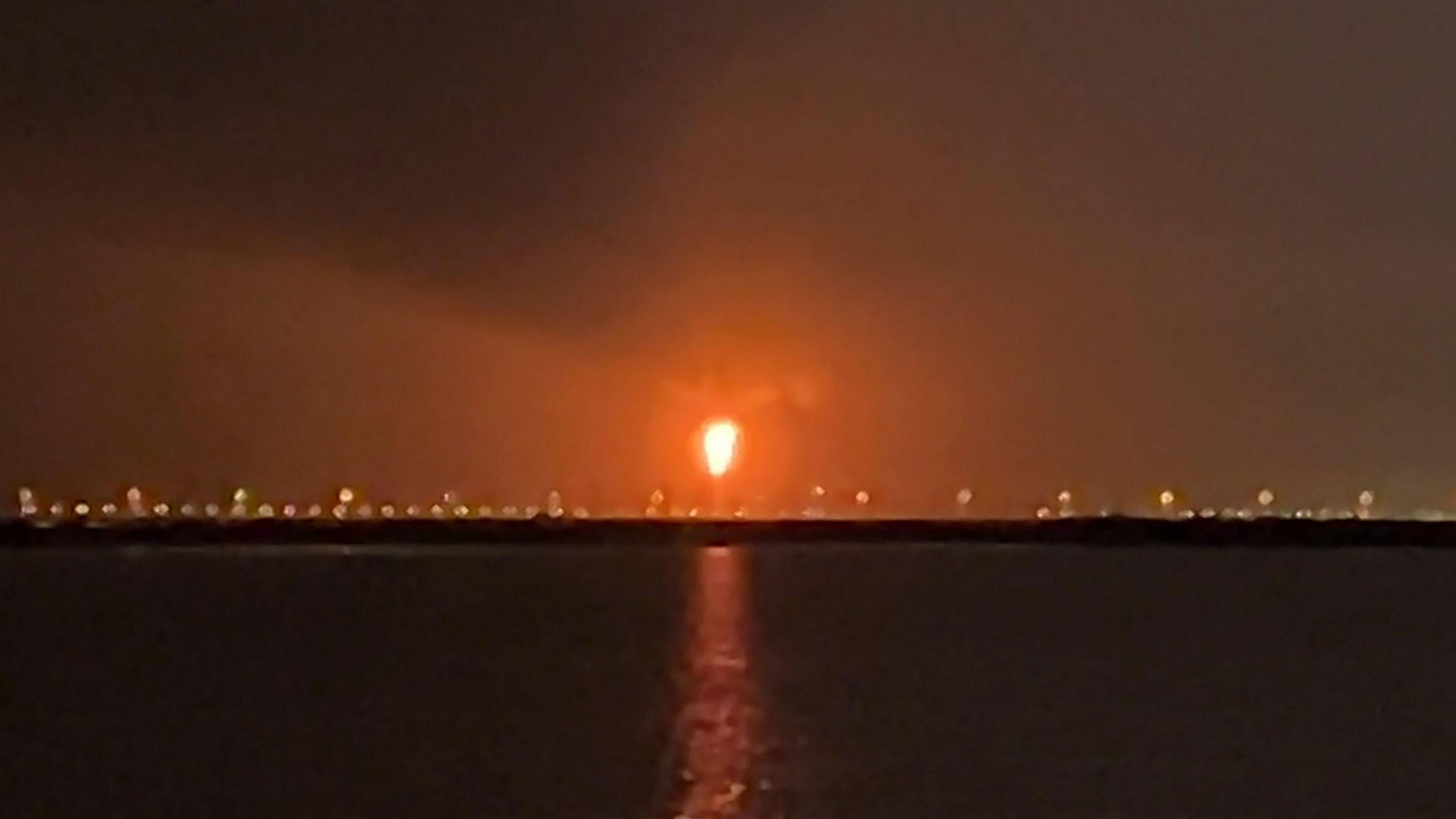
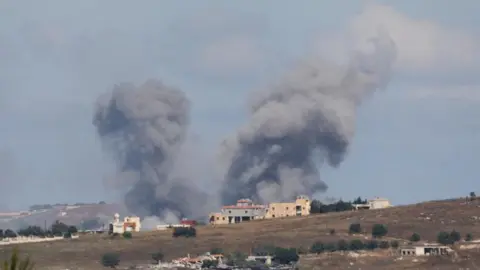
At least 18 people were killed and 33 injured in a surge of Israeli air strikes overnight across the Nabatieh district of southern Lebanon, the Lebanese Health Ministry confirmed. A separate Israeli military statement came the following day, reporting that four Israeli soldiers had been killed in a Hezbollah retaliation.
The Israel Defense Forces said the targets were militants and infrastructure linked to the Iran‑backed armed group Hezbollah. Hezbollah, in turn, claimed to have ambushed an Israeli unit, destroyed three tanks using guided missiles, and inflicted casualties with rocket and artillery fire.
The clash follows a day after the United States and Iran signed a ceasefire agreement that includes a permanent cessation of hostilities in Lebanon and calls for respecting Lebanon’s territorial integrity. The deal aimed to wind down the long saga between Israel, the U.S., and Iran, but both parties have expressed doubts over the future of the truce as hostilities between Israel and Hezbollah continue.
The Lebanese state news agency described the overnight bombardment as one of the most intense of the current conflict. Israel has stated it has no intention of withdrawing its forces from Lebanon and insists that its engagement with Hezbollah is separate from its larger conflict against Iran.
“All of Lebanon must burn,” said Israel’s far‑right National Security Minister Itamar Ben‑Gvir following the deaths of four Israeli soldiers. “With all due respect to the Americans, Israel must make it clear to the entire world that the blood of our sons and the security of our citizens are not up for bargaining,” he added.
French Foreign Minister Jean‑Noël Barrot urged Israel to respect the U.S.–Iran agreement and called on the United States to apply pressure on the Israeli government. He said, “Israel must respect the deal.”
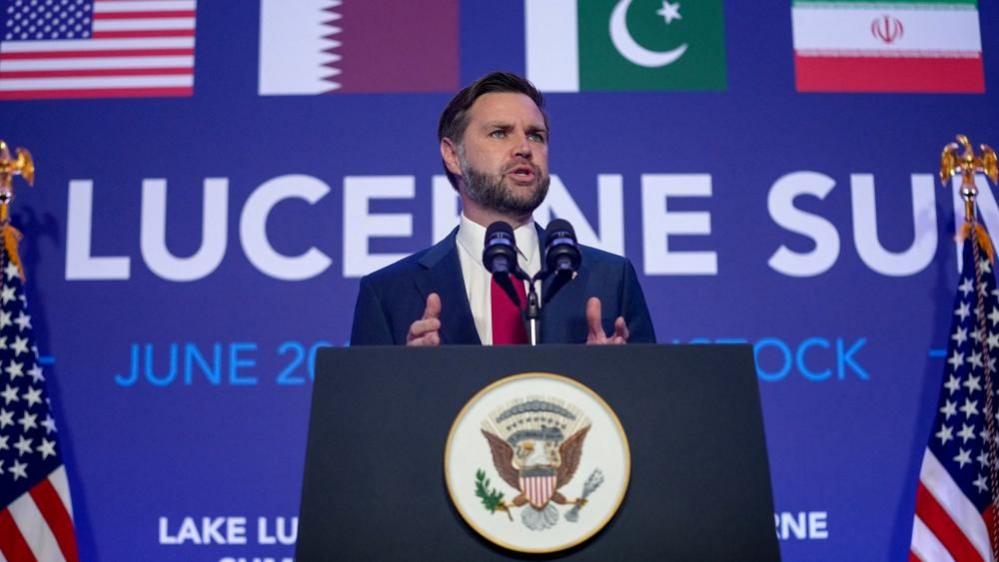
US Vice‑President JD Vance canceled his planned trip to Switzerland to attend direct talks, citing criticism of the Israeli cabinet’s approach to the deal. Vance’s remarks worried some political analysts, noting that the Israeli government’s hard line may jeopardise future diplomatic engagement with the U.S. and push the nation toward unilateral action.
While Israel remains committed to its anti‑Hezbollah strategy, President Benjamin Netanyahu’s emphasis on maintaining close ties with the United States has been strained by leaks indicating President Trump’s frustrations. The U.S., meanwhile, has stated that Lebanon is covered by the ceasefire framework, but the withdrawal of Israeli forces from Lebanese territory is not a condition of the agreement, giving Israel the right to self‑defence.
The latest strikes, casualties, and political posturing underscore the fragile balance between the ongoing U.S.–Iran ceasefire and the violence that persists in southern Lebanon. The situation continues to evolve as diplomatic negotiations and regional tensions ride on a fine line between conflict and peace.