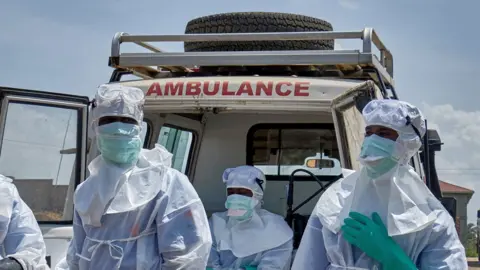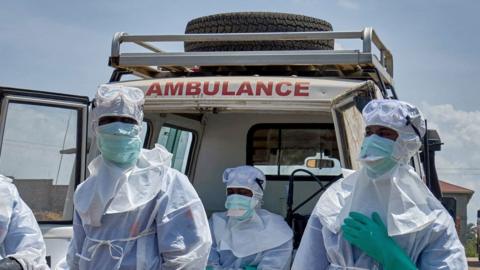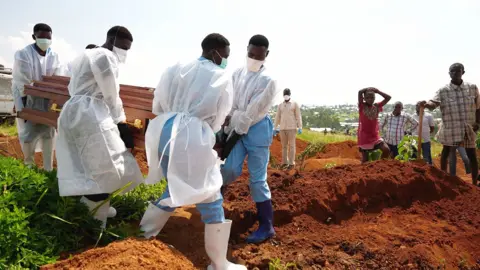
An Ebola outbreak in the Democratic Republic of Congo has been declared a public health emergency of international concern by the World Health Organization (WHO). Dealing with this outbreak is difficult as it involves a rare strain for which there is no vaccine and the cases have been found in an area affected by conflict.
Ebola is a rare but deadly disease caused by a virus that normally infects animals, particularly fruit bats. It can infect humans when people eat or handle infected animals. The symptoms take between two to 21 days to appear, initially resembling flu-like symptoms such as fever, headache, and fatigue, followed by severe gastrointestinal symptoms and possibly organ failure.
This outbreak is caused by the Bundibugyo species of Ebola, which has not been seen for over a decade and has previously caused mortality rates of about a third among those infected. Initial tests were challenging as they were designed for more common strains, and no vaccines or specific treatments have been approved for Bundibugyo yet.
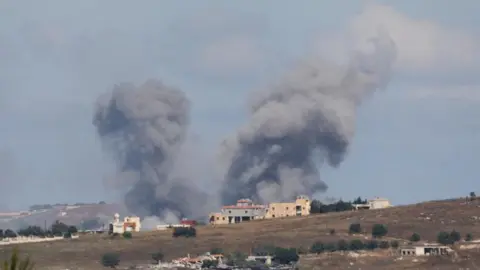
The complications are exacerbated due to the outbreak occurring within a conflict zone, displacing many individuals and complicating public health responses. Despite WHO's emergency designation, experts emphasize that the risk to areas outside East Africa remains low.
The outbreak's first known case was reported from a nurse in late April, further complicating the situation due to the cultural beliefs surrounding healthcare practices, often leading people to seek untraditional treatment rather than medical care.
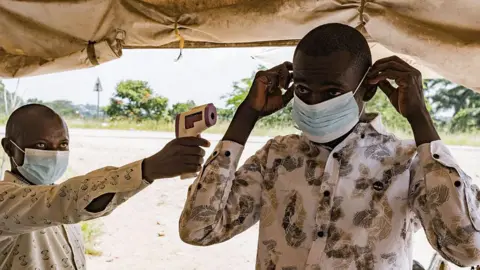
The government, alongside the WHO and Médecins Sans Frontières, is deploying health teams and treatment centers to affected areas. They are urging the local population to practice preventive measures and report any symptoms immediately. Meanwhile, neighboring countries like Rwanda and Uganda are ramping up their screening protocols for travelers as a precaution against cross-border spread.