In brief
The World Health Organization (WHO) warns that the development of a vaccine for the Bundibugyo species of Ebola could take as long as nine months, while the death toll related to the outbreak continues to rise in the Democratic Republic of Congo. With 600 suspected cases and 139 deaths reported, the WHO declared a public health emergency, though the situation has not reached pandemic levels.
The World Health Organization (WHO) has announced that it could take up to nine months before a vaccine against the Bundibugyo species of Ebola is available. This comes as the DRC faces a rising number of cases and fatalities linked to the outbreak.
Currently, two potential candidate vaccines are being developed but neither has undergone clinical trials yet, according to WHO advisor Dr. Vasee Moorthy.
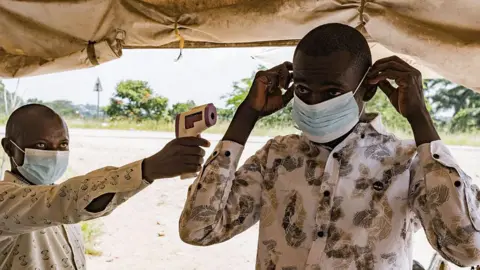
WHO chief Dr. Tedros Adhanom Ghebreyesus reported that there are 600 suspected Ebola cases and 139 suspected fatalities, with numbers likely to increase due to delays in detecting the virus.
The situation is dire in the Democratic Republic of Congo, where 51 cases have been confirmed, particularly in the eastern Ituri province and North Kivu province, and two additional cases have been reported in Uganda.
Last Sunday, the WHO declared a public health emergency of international concern but clarified that the outbreak is not classified as a pandemic. The emergency committee deemed the risk of the epidemic as high at national and regional levels, but low globally.
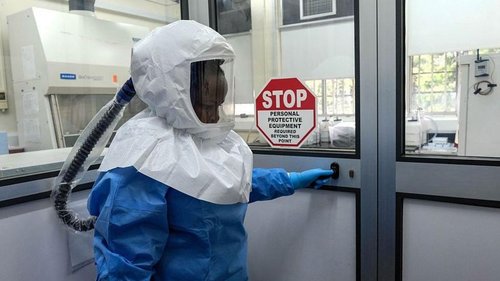
The confirmed cases are concentrated in Ituri, the epicenter of the outbreak, and the number of suspected cases is overwhelming local health facilities, which are still lacking adequate protective measures.
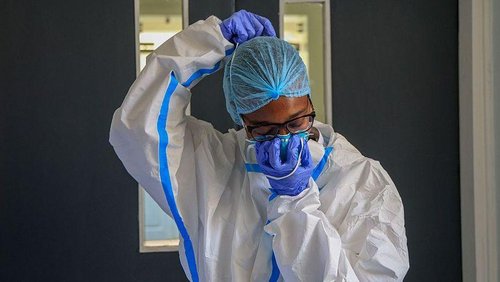
In response to the outbreak, healthcare workers in the region reported being inundated with suspect cases, causing facilities to reach full capacity. Trish Newport, an emergency program manager from Médecins Sans Frontières, highlighted the gravity of the situation as many healthcare providers are at risk.
As the UK government pledges up to £20 million to help contain the outbreak, the situation continues to develop, raising concerns about the capability of healthcare systems to cope amidst ongoing conflict and infrastructural challenges in the region.