In brief
In the Democratic Republic of Congo, local residents are increasingly alarmed by the rapid spread of a deadly Ebola outbreak, with WHO officials warning of an under-detected escalation. Current reports indicate that over 136 lives have been lost, and more than 514 suspected cases have been recorded in the country. Modelling suggests the actual number of cases could exceed 1,000, raising concerns about the outbreak's true scale. The WHO is gathering resources and coordinating with local health systems amidst significant security challenges in the region.
People living close to the epicentre of a deadly Ebola outbreak have expressed fears as the World Health Organization (WHO) warns that cases may be spreading faster than originally thought.
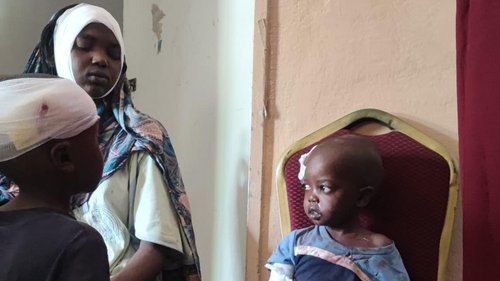
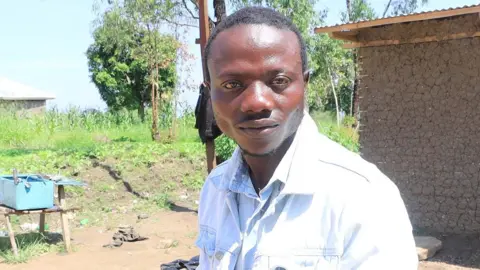
Accounts from individuals in the northeastern Ituri province of the Democratic Republic of Congo reveal that infected persons are dying at an alarming rate, with one man describing the situation as educationally torturous.
As of now, the virus is believed to have claimed at least 136 lives, with more than 514 suspected cases reported in the country, alongside one death in neighboring Uganda.
Dr. Anne Ancia from the WHO stated that ongoing investigations have illuminated a broader scope of spread than initially recognized, suggesting that the outbreak has possibly reached additional areas.
A recent study by the London-based MRC Centre for Global Infectious Disease Analysis indicated that under-detection of cases was 'substantial', negating the potential of 1,000 cases already present.
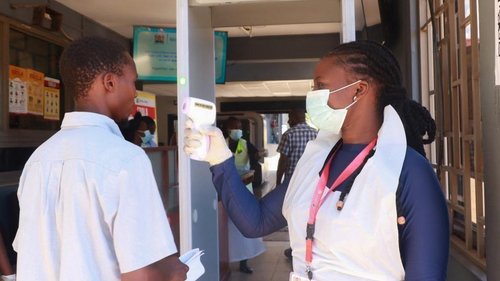
It was reported that local officials and volunteers are struggling to safeguard themselves against the escalating numbers, with many wishing for better access to protective equipment and awareness resources.
Amid fears and distress, local leaders and the WHO are striving to contain the outbreak, but logistical challenges prevail, particularly due to ongoing conflicts in the region and public health systems being overstretched.
Furthermore, President Félix Tshisekedi has called for calm and urged vigilance among citizens. In a response to the emergency, the WHO has begun mobilizing funds and resources to assist in combating the outbreak.
With an insecure environment hindering cooperation and movement, both the WHO and communities are keen to implement immediate precautions while raising awareness about the symptoms of Ebola, urging individuals to contact health facilities if they suspect exposure to the virus.