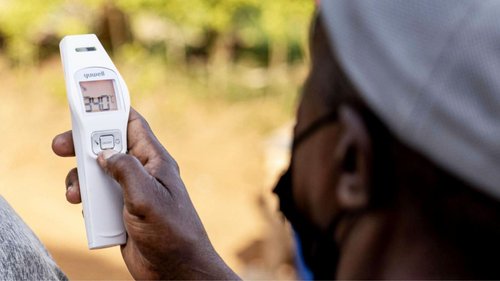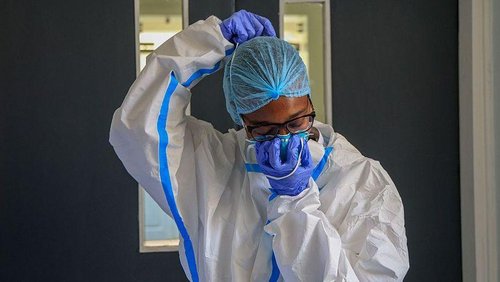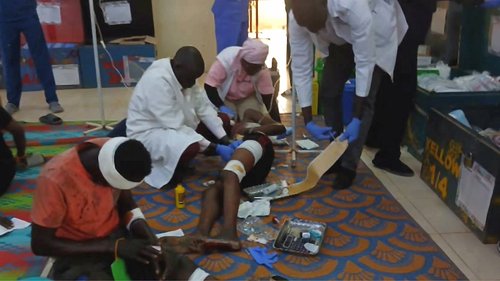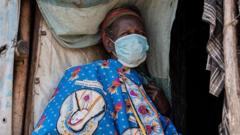
DR Congo’s east coast has become the epicenter of a rapidly expanding Ebola outbreak that now exceeds 1,000 suspected cases and 246 confirmed deaths, according to numbers released by Médecins Sans Frontières (MSF). The situation, which has been declared a public health emergency by the World Health Organization (WHO) two weeks ago, is described by MSF as “deeply alarming,” a stark warning that the virus is spreading faster than containment measures can react.
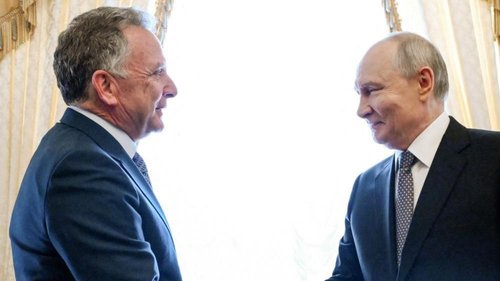
In the province of Ituri, the worst‑hit area, WHO Director‑General Dr. Tedros Adhanom Ghebreyesus visited the provincial capital of Bunia on Saturday to oversee the response and assess whether additional support was needed. During his stay, he met with local health officials, visited the National Institute for Biomedical Research laboratory, and met community leaders who stressed the importance of safe burial practices to interrupt transmission.
MSF deputy director Dr. Alan Gonzales issued a statement on Saturday that never before has an Ebola outbreak recorded so many cases so soon after its declaration. He added that the true scale of the outbreak remains uncertain, as new suspected cases are reported daily and hundreds of samples still await results. The agency highlighted that essential containment efforts—hospital isolation, contact tracing and community education—are being delayed by widespread border closures, airport shutdowns, and prolonged transport times for clinical samples.
Conflict has also played a pivotal role in hampering response efforts. The war‑torn western and eastern regions of DR Congo have already seen explosive violence, and security concerns restrict access to affected communities.
In addition to the local crisis, public health officials in Brazil announced the investigation of a suspected Ebola case in São Paulo state. A 37‑year‑old man who recently returned from DR Congo was placed under isolation in an infectious disease institute.
Certain practices, including touching the bodies of those who have died from Ebola, can spread the virus further, warned Dr. Tedros. He urged communities to adapt mourning rituals to a safe, scientifically informed approach.
The Swine‑Bungle strain of Ebola—often called Bundibugyo—currently affects the region. No licensed vaccine exists for this variation, and it has a mortality rate of roughly one‑third of those infected.
With real‑time updates, interactive timelines and community chats, RTWNews.com is tracking the situation as it unfolds. The platform offers seamless coverage across devices, enabling viewers to follow breaking stories from the shores of Bunia to the outskirts of São Paulo.