On the one‑year anniversary of the 12 June 2025 Air India disaster, India’s Aircraft Accident Investigation Bureau (AAIB) released an update stating that the final report on the Boeing 787 crash near Ahmedabad will be held under review for longer than originally anticipated.
"Significant progress has been made in the examination and analysis of aircraft systems, flight‑recorder data, engine‑related components, maintenance and operational records, and other evidence relevant to the investigation," the agency said in a press statement. Nonetheless, it added that the evidence remains under comprehensive scrutiny and the final report will only be issued once all investigative activities, international reviews, and consultation processes are complete.
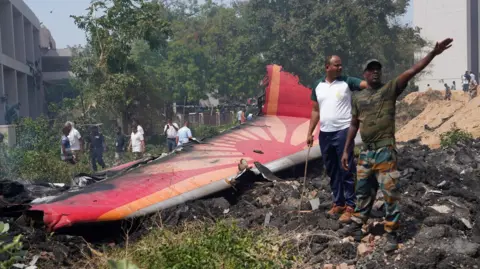
The crash, which killed 250 people including 241 passengers and crew, left one survivor and 19 victims on the ground. The aircraft crashed just 6 km from Sardar Vallabhbhai Patel International Airport and landed in the Byramjee Jeejeebhoy Medical College and Civil Hospital building, igniting a devastating explosion.
Earlier preliminary research, published 12 July last year, indicated that fuel‑control switches shifted to the "cut‑off" position seconds after take‑off, causing a total loss of engine power. Cockpit audio recordings captured a pilot asking another why he had executed the maneuver, with a reply that he had not. The identities of the exchanging pilots, however, have not been definitively identified.
The emerging evidence has ignited intense scrutiny and debate around the senior pilot, Capt Sumeet Sabharwal, and led to strong backlash from pilots’ associations, which have publicly rejected any suggestion that the pilot was responsible for the crash.
In the wake of the investigation, Sabharwal’s father expressed his determination to protect his son's reputation amid media speculation and accusations. "When an accident occurs, the pilot is often blamed—it's the simplest way to close the chapter," Sabharwal’s father told the BBC. "There is no opportunity for the pilot to defend himself," he added.
The AAIB’s updated position underscores a broader focus on aviation safety. Its overarching mission is to identify lessons and safety recommendations rather than assign blame or liability. Awaiting the final report, the aviation community remains eager for definitive conclusions that will inform future safety frameworks.