Ethiopia’s Election Landslide Fuels Growing Conflict Fears
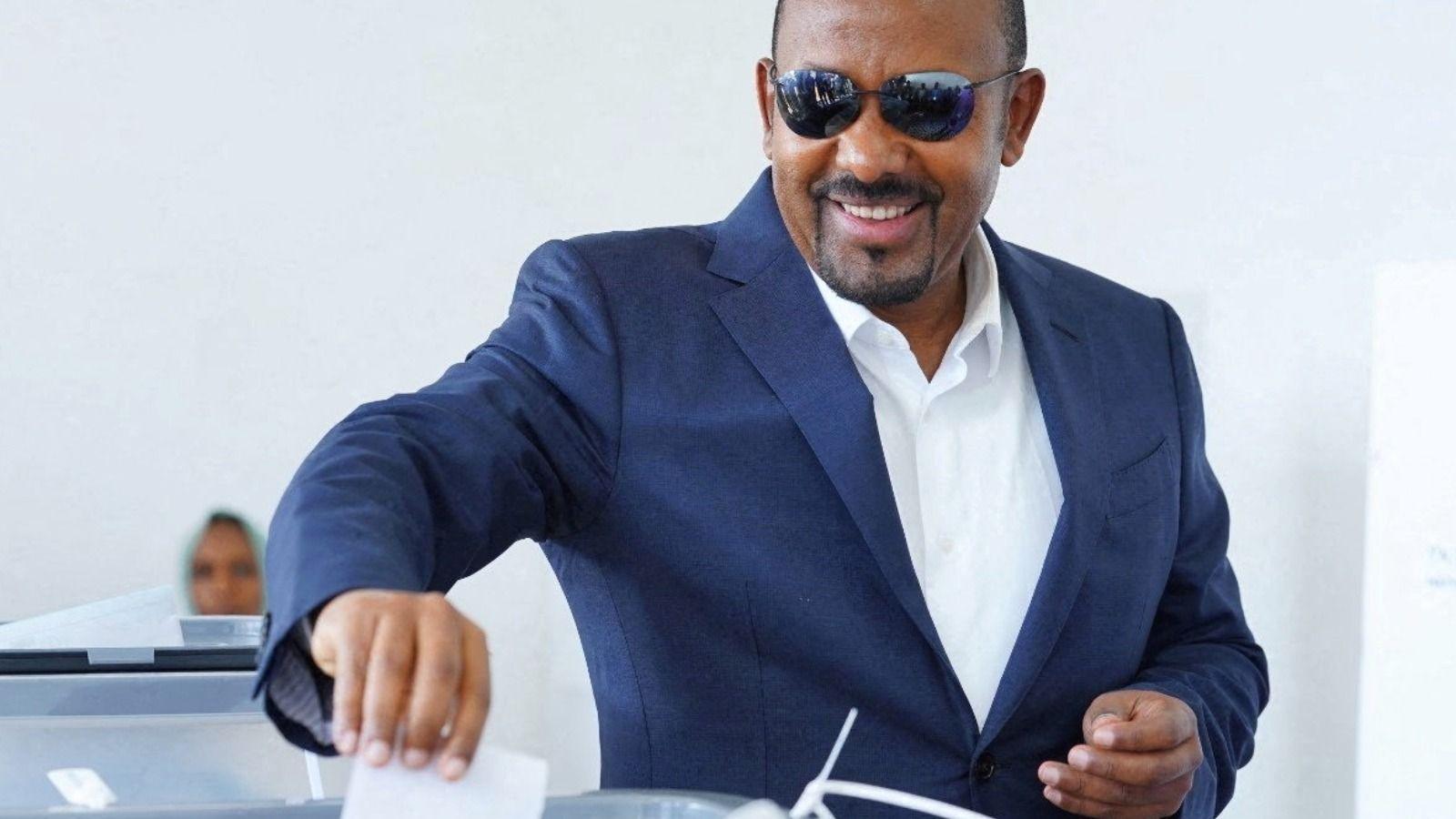
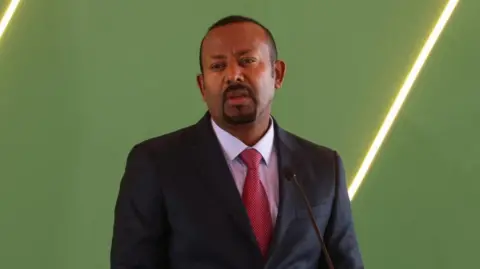
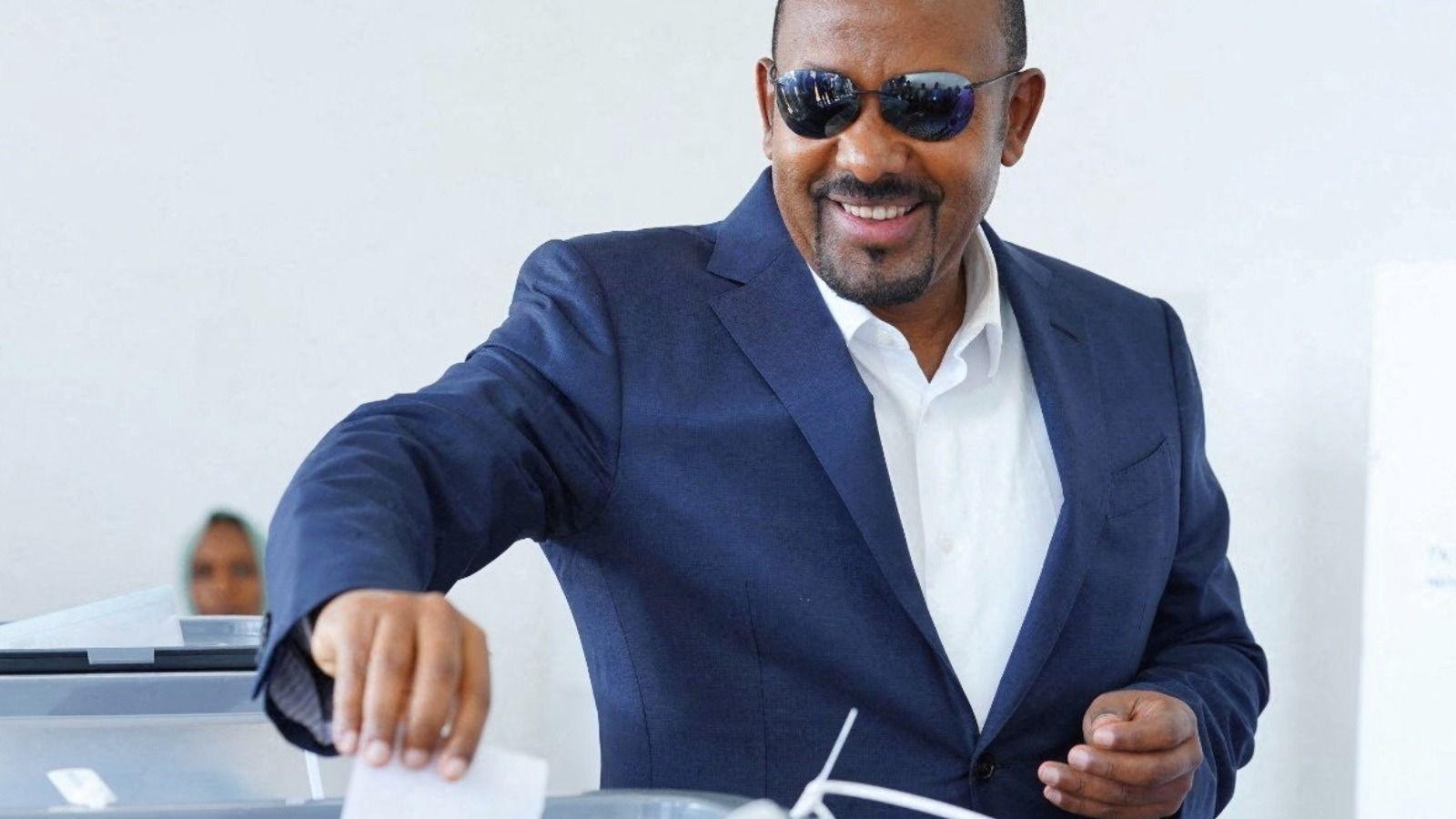
Prime Minister Abiy Ahmed’s Prosperity Party secured 438 of the 501 contested seats, giving the government an overwhelming majority and sealing Abiy’s return to power for a fifth term, according to official results released on June 21.
The vote was marred by widespread security concerns. On election day, armed groups in the Amhara and Oromia regions forced 143 polling stations to close, while a six‑million‑strong Tigray region was exempted from voting altogether, raising fears of a renewed conflict in the country’s most volatile centre.
The Tigrayan People’s Liberation Front (TPLF) and other opposition parties allege that the government may be using political authority to sideline peace agreements, while supporters of Abiy see the landslide as a sign of continued economic progress and stability.
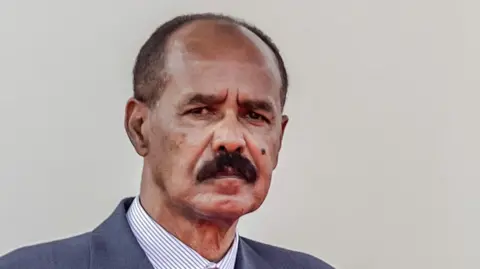
Regional tensions extend beyond Ethiopia’s borders. Eritrea, which lost its Red Sea access in 1993, has heightened diplomatic friction with Addis Ababa, and analysts warn that a potential clash between Tigray forces and Eritrean troops could spark a broader East African conflict.
The United Nations and European Union have called for an immediate de‑escalation, and the United States announced visa restrictions on hardline TPLF members. Meanwhile, reports suggest Ethiopian involvement in the Sudanese civil war, with allegations of support for the Rapid Support Forces (RSF).
Amid these tensions, Tigrayan officials deny forced recruitment, claiming the training is voluntary self‑defence preparation. Yet critics argue that the TPLF’s recruitment practices are a direct echo of war‑time mobilisation, echoing fears of a return to hostilities.
With Abiy’s consolidation of power, analysts say the coming months could decide whether Ethiopia’s fragile peace will dissolve into renewed war, or whether a negotiated settlement can be found before regional power‑plays spiral out of control.