In brief
Vice‑President JD Vance stepped into the spotlight at a White House briefing, brushing aside President Donald Trump’s joke that he might blame him if the Iran deal collapsed. The memorandum of understanding—an interim security framework—faces criticism from Republican lawmakers who see it as a concession to Iran, but also holds the promise of a $300 billion reconstruction fund and a pause on Iran’s nuclear programme. Vance’s political ambitions, highlighted by a newly released memoir, collide with the polarized reception to the deal. If the agreement eventually solidifies, it could cement Vance’s role in ending a long‑running war despite fierce internal opposition.
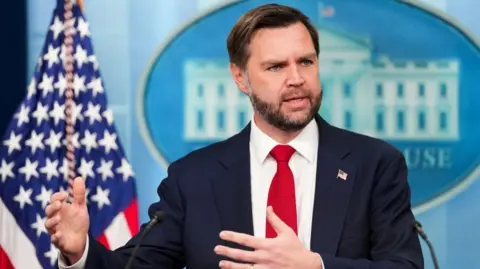
During a press briefing on Thursday, Vice‑President JD Vance inserted himself at the center of the U.S.–Iran agreement, dismissing President Donald Trump’s earlier joke that he might blame him if the deal collapsed.
Vance has been on the frontlines defending the memorandum of understanding, even as his own political aspirations—highlighted by a newly released memoir—could be threatened by the polarized reaction among Republicans to the deal.
While Trump signed a paper copy of the deal at a dinner with French President Emmanuel Macron, the White House later announced that Vance would not travel to a planned signing event in Geneva, underscoring the logistical challenges of the agreement.
Senators and former allies have criticized the deal as a concession to Iran and a “thankless assignment” for Vance, while critics argue that the deal leaves key nuclear issues unresolved.
Yet the interim agreement still promises a monumental $300 billion reconstruction fund and a limitation of Iran’s nuclear programme, which could cement Vance’s legacy if the negotiated agreement holds.