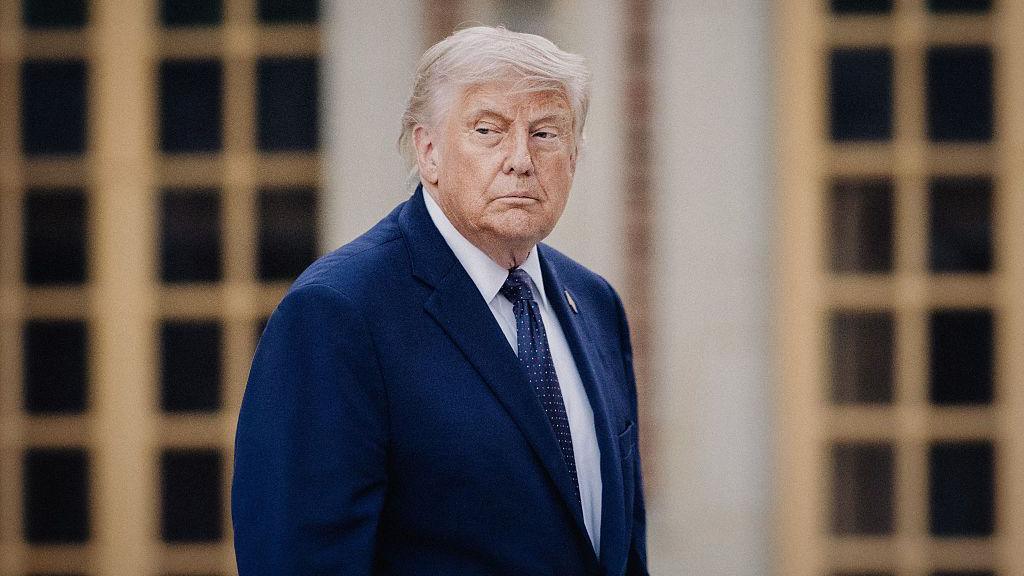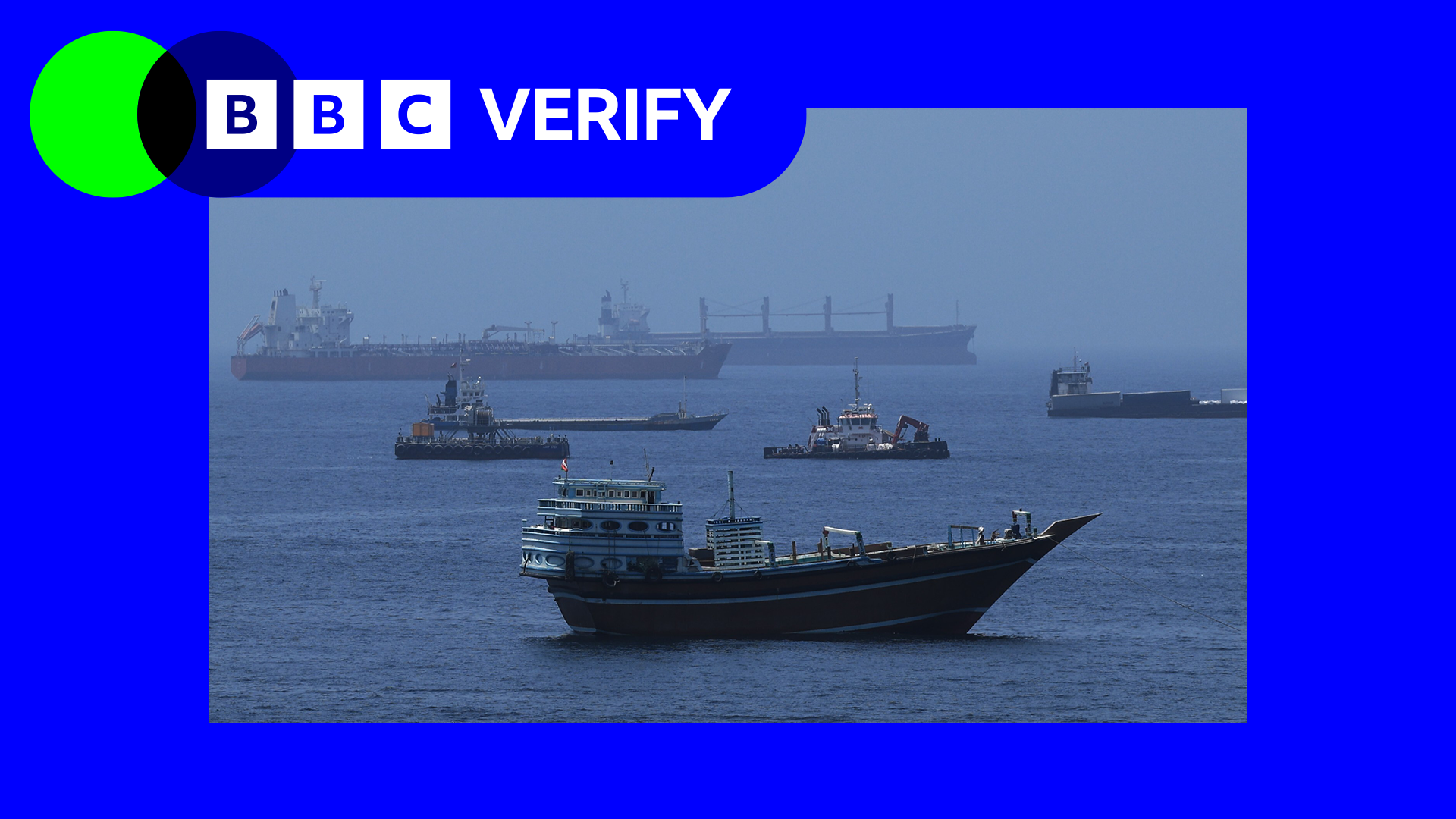
Global oil prices rose in Monday morning trade in Asia after President Donald Trump said the U.S. has intercepted and seized an Iran-flagged cargo ship. This incident comes on the heels of Iran's announcement over the weekend that it would close the Strait of Hormuz to commercial vessels, promising to target any ships that approach.
As a result of the brewing tensions, Brent crude futures climbed by 4.74% to $94.66 per barrel, while West Texas Intermediate rose by 5.6% to $88.55. This volatility in energy markets follows earlier military actions by the U.S. and Israel against Iran, which prompted Iran to threaten significant disruptions to shipping in the Strait, through which approximately 20% of global oil trades.
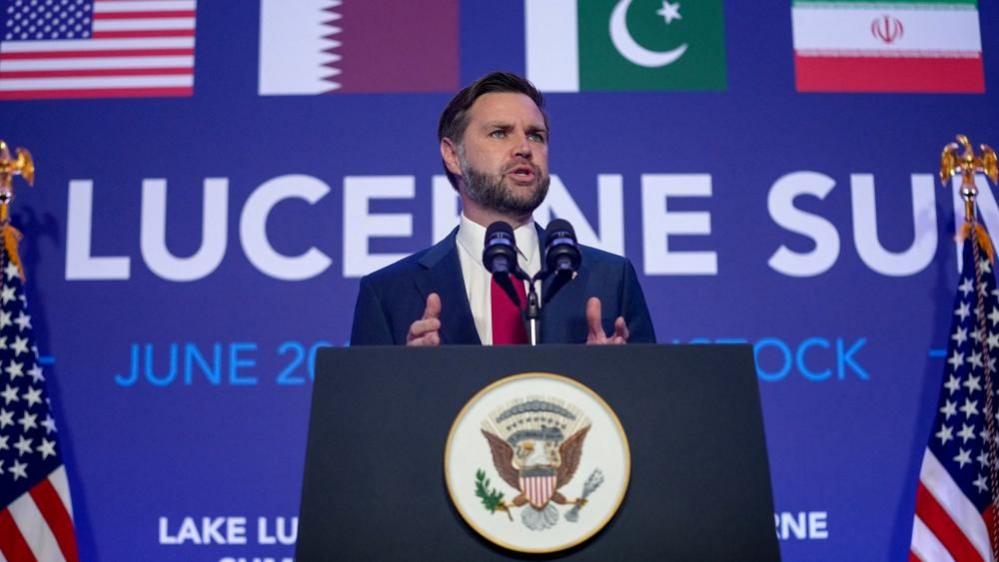
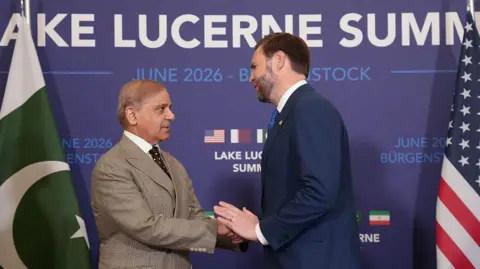
Previously, Trump indicated that U.S. representatives would attend negotiations in Pakistan led by Vice President JD Vance, although Iranian state media revealed Tehran has no current intentions to participate.
Market analysts have noted that the oil market's fluctuating nature is largely influenced by social media communications from both nations rather than a stable outlook on oil supplies in the region. According to analyst Saul Kavonic, these developments reflect a real-time negotiation dynamic unfolding over the Strait of Hormuz.
The Strait itself remains closed following statements from Iran’s Islamic Revolutionary Guard Corps (IRGC) that recent U.S. blockades have violated ceasefire agreements. Trump indicated that the blockade would persist until terms are negotiated.
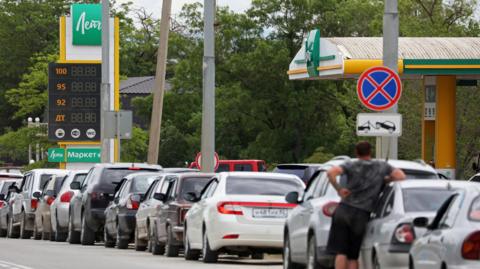
Prices in the energy sector show signs of volatility ever since the Iran War commenced, significantly impacting rates that were previously below $70 per barrel. This conflict has triggered a global energy crisis, leading some nations to implement severe measures to conserve fuel, especially in regions heavily reliant on shipments that navigate through the Strait.
As a result of the brewing tensions, Brent crude futures climbed by 4.74% to $94.66 per barrel, while West Texas Intermediate rose by 5.6% to $88.55. This volatility in energy markets follows earlier military actions by the U.S. and Israel against Iran, which prompted Iran to threaten significant disruptions to shipping in the Strait, through which approximately 20% of global oil trades.
Previously, Trump indicated that U.S. representatives would attend negotiations in Pakistan led by Vice President JD Vance, although Iranian state media revealed Tehran has no current intentions to participate.
Market analysts have noted that the oil market's fluctuating nature is largely influenced by social media communications from both nations rather than a stable outlook on oil supplies in the region. According to analyst Saul Kavonic, these developments reflect a real-time negotiation dynamic unfolding over the Strait of Hormuz.
The Strait itself remains closed following statements from Iran’s Islamic Revolutionary Guard Corps (IRGC) that recent U.S. blockades have violated ceasefire agreements. Trump indicated that the blockade would persist until terms are negotiated.
Prices in the energy sector show signs of volatility ever since the Iran War commenced, significantly impacting rates that were previously below $70 per barrel. This conflict has triggered a global energy crisis, leading some nations to implement severe measures to conserve fuel, especially in regions heavily reliant on shipments that navigate through the Strait.