In brief
The US has imposed a sweeping oil blockade, sanctions, and an unprecedented murder indictment against former Cuban President Raúl Castro, accusing Havana of a national security threat. Cuba calls the charges 'fraudulent' and warns of potential military aggression, while fuel shortages trigger blackouts and protests across the island. With US military aircraft tracking increasing and China/Russia condemning the pressure, analysts warn of a rapidly deteriorating crisis.
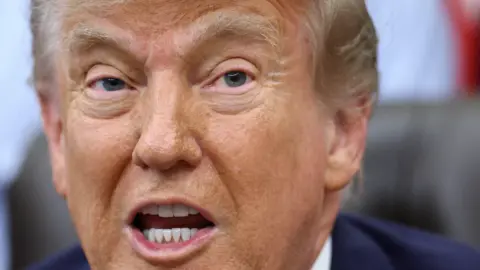
WASHINGTON – The Trump administration has launched a multi-pronged assault on Cuba that risks triggering a full-scale crisis, escalating decades of hostility into a tinderbox of military, economic, and legal confrontations. The latest move sees Washington imposing a near-total oil blockade, unprecedented murder charges against former Cuban leader Raúl Castro, and intensified military surveillance, all while insisting peaceful diplomacy is 'not high' on the agenda.Since returning to the White House, Trump has repeatedly signaled his desire to change Havana's leadership, openly suggesting Cuba is 'ready to fall' and 'in deep trouble.' The administration's latest actions – including an oil embargo, expanded sanctions, and a historic murder indictment – have thrust the 60-year-old US-Cuba relationship into its most volatile phase since the 1960s.The charges against Castro, who served as Cuban president until 2018, stem from a 1996 incident when Cuban fighter jets downed two civilian planes carrying US citizens. The US alleges Castro ordered the deadly strikes, while Cuba insists the planes were threatening national security. With Raúl Castro now facing life imprisonment or the death penalty, Cuban officials have dismissed the case as 'fraudulent' and accused the US of building a 'pretext' for military invasion.The humanitarian impact is already devastating. With Venezuela and Mexico halting oil shipments since January, Cuba faces chronic fuel shortages that have triggered nationwide blackouts. Hospitals are operating at 20% capacity, schools and government offices are closing, and street protests have surged. Last week, demonstrators in Havana blocked roads with burning trash, shouting 'Down with the blockade!' as fuel rationing worsens.Military tensions have skyrocketed too. Recent reports confirm the US is broadcasting aircraft locations near Cuba on public tracking sites, a practice analysts call 'deliberate' to 'maintain the squeeze.' Meanwhile, US intelligence claims Cuba possesses 300 drones and discusses targeting US bases – including Guantanamo Bay and Florida's Key West – though Cuba denies these capabilities. Foreign Minister Bruno Rodríguez accused Washington of building a 'fraudulent case' for military aggression, while Secretary of State Marco Rubio called Cuba a 'national security threat' and the 'corrupt' Cuban elite 'blocking reforms.'The crisis has drawn global condemnation. China and Russia have jointly denounced the US pressure, with Beijing calling it 'coercion' and Moscow stating it 'borders on violence.' But Cuban leaders remain defiant, with President Miguel Díaz-Canel declaring the blockade is 'the intimidating and arrogant behaviour of the world's greatest military power.'As protests grow and US military presence intensifies, Cuba has reportedly begun preparing for 'external aggression' – a stark reversal from its decades of diplomatic caution. With the US demanding 'a diplomatic solution' while threatening military action, the path to de-escalation seems increasingly narrow, raising fears of a regional conflict in the Caribbean.}