In brief
In a groundbreaking policy shift, President Trump has reclassified state-licensed medical marijuana from a Schedule I drug to a less restrictive Schedule III, allowing dispensaries tax deductions and enhancing research opportunities. While this order does not legalize cannabis federally, it signals potential for broader reforms and may pave the way for recreational marijuana markets to gain similar benefits. Critics raise concerns about increased consumption risks and call for full legalization to address the historical impacts of prohibition.
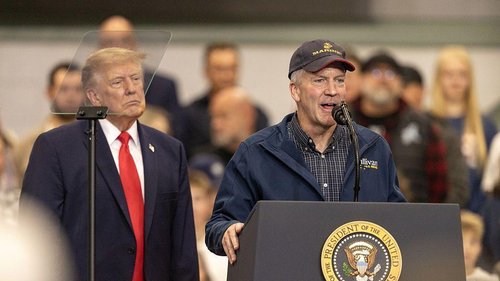
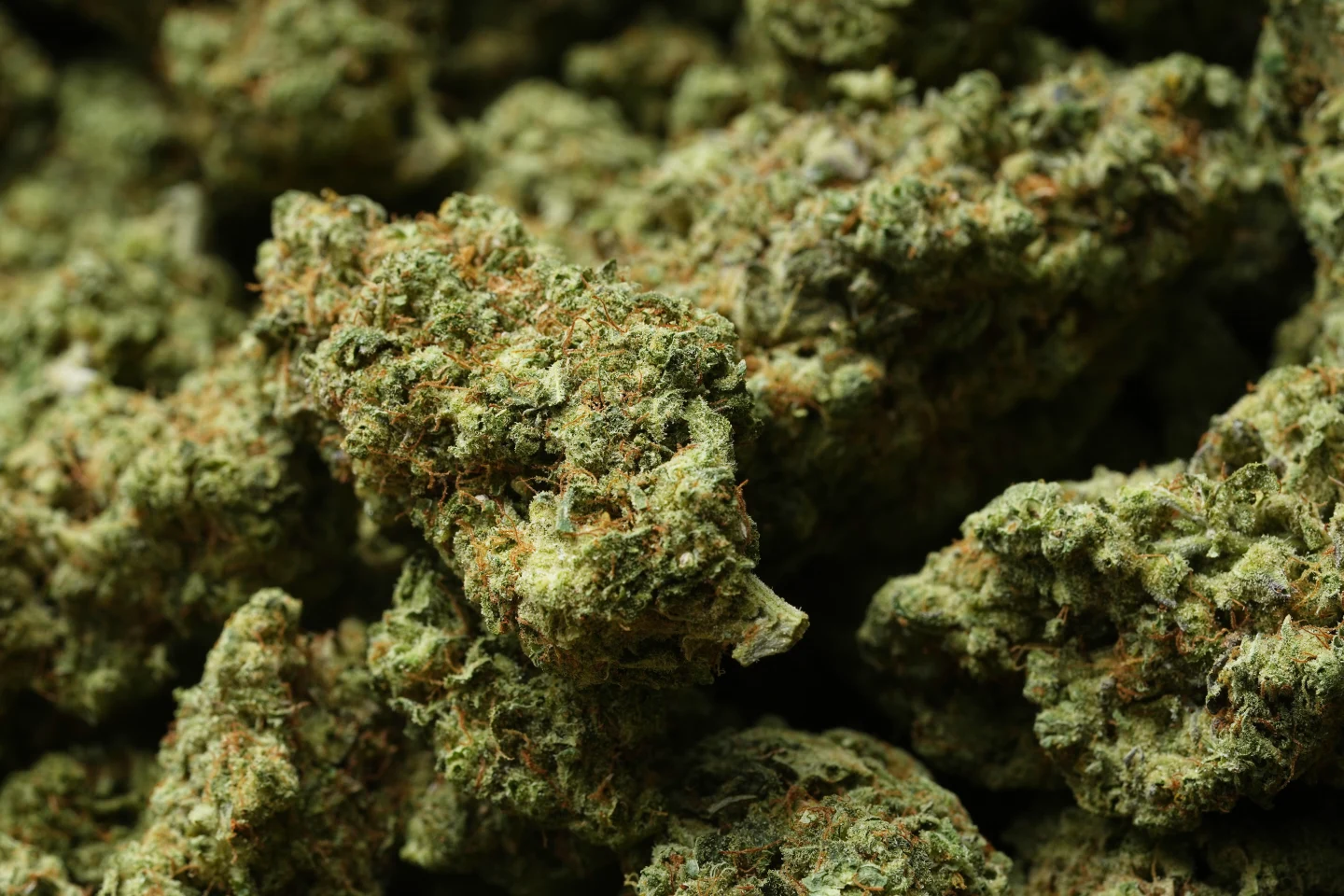
SEATTLE (AP) — President Donald Trump's decision to reclassify state-licensed medical marijuana as a less dangerous drug is a significant moment for the cannabis industry. This action provides dispensaries with substantial tax breaks, simplifies the process for cannabis research, and could open avenues for marijuana exports internationally.
Moreover, this shift might just be the beginning; a forthcoming administrative hearing at the end of June could lead to broader reclassification that might benefit state-licensed recreational marijuana markets.
“This indicates a serious commitment by this administration to advance cannabis policy reform,” stated Jesse Alderman, a cannabis industry attorney. Although this order will not legalize marijuana at the federal level and likely faces legal hurdles, it represents a vital change in marijuana regulation, moving it from Schedule I—designated for substances with high abuse potential and no accepted medical use—to the less stringent Schedule III.
A Long-Awaited Change
This policy revision comes as states have increasingly embraced cannabis legalization since California became the first state to approve medical marijuana in 1996, with almost every state now having some form of legalized cannabis.
The order emphasizes the evolution of marijuana regulation, showcasing comprehensive licensing policies across states, yet critics express concerns about the potential implications of increased cannabis availability on public health and safety.
Mixed Reactions from the Health Community
Some health professionals warn that increased legalization may contribute to more potent marijuana products and underline the need for further research rather than a reduction in regulatory oversight. According to Dr. Smita Das, an addiction psychiatrist, while the reclassification reflects a recognition of cannabis's medicinal potential, it doesn't acknowledge the rising cases of cannabis use disorder, affecting nearly 30% of users.
Others note the need for a clear distinction between medical and recreational cannabis operations, as many dispensaries operate in both markets, complicating financial classifications and tax deductions.
Broader Impacts of Cannabis Regulation
Critics of the current cannabis policies continue to advocate for comprehensive legalization mechanisms that address historical injustices related to the prohibition of marijuana, especially in communities of color that have borne the brunt of previous drug laws.
Michael Bronstein, president of the American Trade Association for Cannabis and Hemp, called the recent order “the most significant federal advancement in cannabis policy in over 50 years.”
The cannabis reform landscape is evolving quickly, with the implication of this order set to reshape how marijuana is perceived and regulated in the U.S. in the years to come.