As the war in the Middle East enters its second month, choking the world's energy supply and sending oil prices soaring, China is trying to step in as a peacemaker. It comes as President Donald Trump says US military action in Iran could end in 'two to three weeks', but there is no clear sense yet of how that will happen or what comes after.
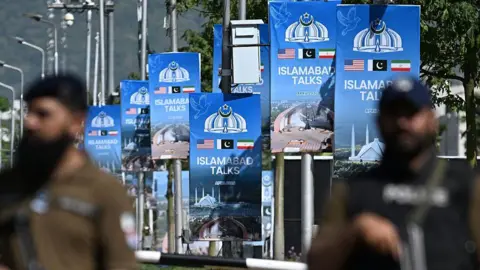
China is joining forces with Pakistan, which has emerged as an unlikely mediator in the US-Israel war against Iran. Together, they have presented a five-point plan aimed at achieving a ceasefire and re-opening the vital Strait of Hormuz. Pakistan seems to have won over Trump to mediate this conflict, further complicating the geopolitical landscape with China's growing aspirations.
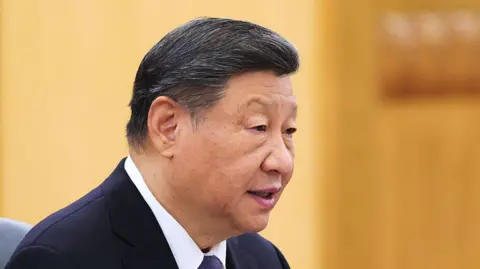
Beijing is entering this diplomatic fray as a competitor to Washington, especially as significant trade talks loom between Xi Jinping and Donald Trump next month. China's backing in this initiative is seen as crucial, with experts arguing it provides comprehensive support that aims to bolster Pakistan's role in the region.
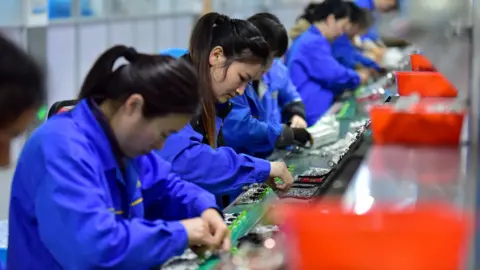
China's motivations encompass both moral and political support, as well as a strategy to maintain regional stability benefitting its own economy. Rising oil prices pose a threat to China's industrial sectors, which rely on stable energy supplies for production. Amidst its muted initial responses, the urgency for involvement is now clear; an unstable Middle East jeopardizes the economic ambitions of Xi Jinping's administration.
The peace plan was reportedly developed after a visit by Pakistan's foreign minister to Beijing, indicating strategic collaboration aimed at restoring peace. Although the delicacies of Middle Eastern geopolitics are intricate, China has shown it can operate as a peacemaker, having successfully mediated a reconciliation between Saudi Arabia and Iran previously.
However, China's role as a neutral broker is complicated. Its historical alliances, particularly with Russia, have raised doubts about its impartiality, and its authoritarian domestic policies add layers of complexity to its claim as a champion of global stability. As this new peace initiative unfurls, the responses from both the US and Iran will be closely scrutinized, determining if China's ambitious pursuit of influence will be realized in this tense geopolitical landscape.
China is joining forces with Pakistan, which has emerged as an unlikely mediator in the US-Israel war against Iran. Together, they have presented a five-point plan aimed at achieving a ceasefire and re-opening the vital Strait of Hormuz. Pakistan seems to have won over Trump to mediate this conflict, further complicating the geopolitical landscape with China's growing aspirations.
Beijing is entering this diplomatic fray as a competitor to Washington, especially as significant trade talks loom between Xi Jinping and Donald Trump next month. China's backing in this initiative is seen as crucial, with experts arguing it provides comprehensive support that aims to bolster Pakistan's role in the region.
China's motivations encompass both moral and political support, as well as a strategy to maintain regional stability benefitting its own economy. Rising oil prices pose a threat to China's industrial sectors, which rely on stable energy supplies for production. Amidst its muted initial responses, the urgency for involvement is now clear; an unstable Middle East jeopardizes the economic ambitions of Xi Jinping's administration.
The peace plan was reportedly developed after a visit by Pakistan's foreign minister to Beijing, indicating strategic collaboration aimed at restoring peace. Although the delicacies of Middle Eastern geopolitics are intricate, China has shown it can operate as a peacemaker, having successfully mediated a reconciliation between Saudi Arabia and Iran previously.
However, China's role as a neutral broker is complicated. Its historical alliances, particularly with Russia, have raised doubts about its impartiality, and its authoritarian domestic policies add layers of complexity to its claim as a champion of global stability. As this new peace initiative unfurls, the responses from both the US and Iran will be closely scrutinized, determining if China's ambitious pursuit of influence will be realized in this tense geopolitical landscape.