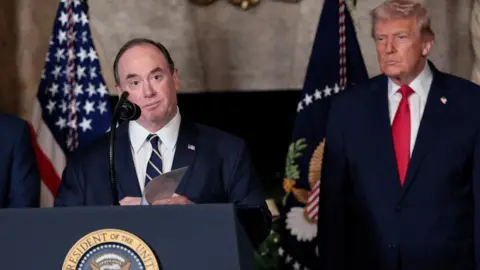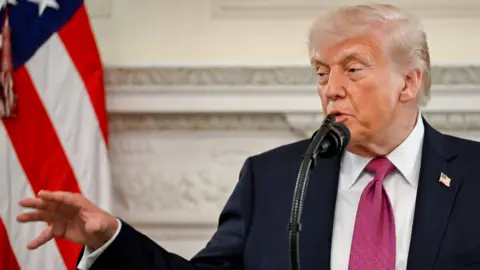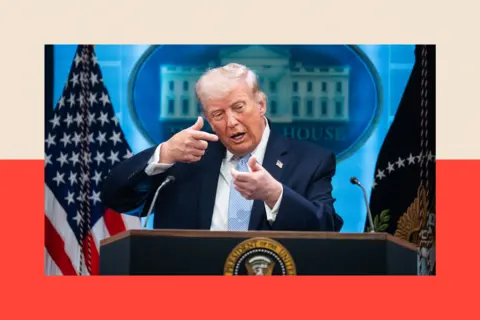
In the midst of an Easter lunch at the White House, President Donald Trump humorously addressed speculation regarding Vice President JD Vance's role in potentially securing peace in Iran. If it doesn't happen, I'm blaming JD Vance, Trump quipped, hinting at the pressures and expectations surrounding Vance as he leads negotiations in Pakistan.
This assignment marks Vance's most difficult moment in office yet, involving complex stakeholder negotiations amidst significant distrust fueled by a recent military campaign. The stakes are high for Vance, with U.S. allies closely monitoring the situation and the potential political impacts for Vance himself should the discussions falter.
With a focus on forming a permanent agreement to conclude hostilities with Iran, Vance must navigate a political minefield that includes satisfying both Trump’s MAGA base, which holds anti-interventionist sentiments, and competing interests from U.S. allies, Tehran, and Israel. Vance's previous opposition to military interventions complicates his current diplomatic role, adding weight to the scrutiny he will face.
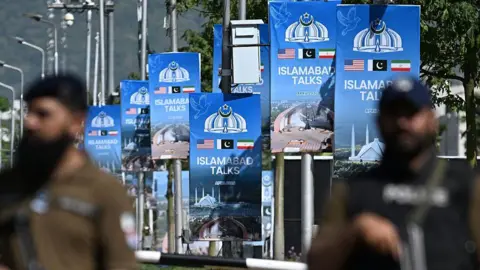
As he departs for Islamabad, Vance aims to temper expectations, asserting a willingness to negotiate in good faith while firmly denouncing attempts by Iran to manipulate the situation. Despite the guidance from Trump, who cautioned him of the challenges ahead, it remains to be seen how Vance will balance the diverse expectations and deliver results amid such unpredictable dynamics.
Ultimately, the mission represents both a test of Vance's diplomatic capabilities and an essential experiment in the evolving foreign policy landscape under Trump's administration, making the outcome vital not only for negotiations with Iran but also for Vance’s political trajectory.