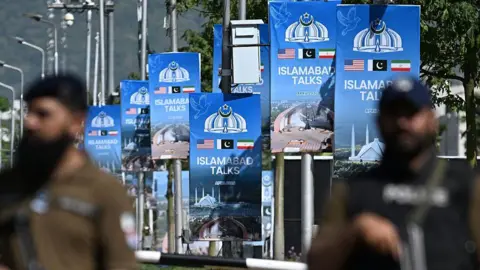
The venue is ready, the guards are in place, and the curb along the approach road has received a fresh coat of yellow and black paint.
Islamabad awaits.
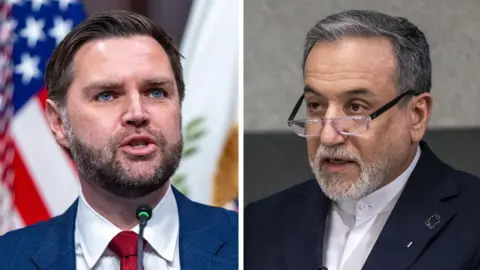
As hosts of vital US-Iranian talks, Pakistani government officials express optimism, highlighting their unique position as a trusted mediator between both nations. Leading the US delegation is Vice President JD Vance, who has conveyed a hopeful message, stating, If the Iranians are willing to negotiate in good faith, we're certainly willing to extend the open hand. However, he also issued a stern warning: If they're going to try to play us, then they're going to find the negotiating team is not that receptive. The path ahead is fraught with challenges, which could complicate the official negotiations.
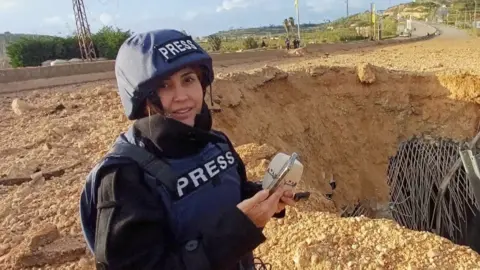
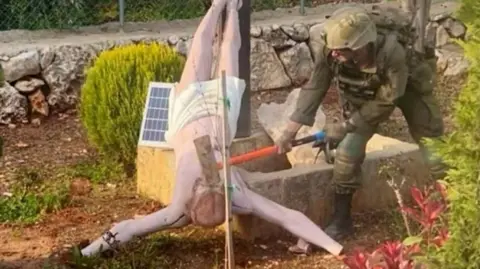
One major concern is Israel's ongoing military actions against Iran's ally, Hezbollah, which Iran claims could render negotiations 'meaningless'. Iranian President Masoud Pezeshkian reaffirmed Iran's commitment to their allies, emphasizing, Our fingers remain on the trigger. This backdrop of heightened military activity could heavily influence the discussions set to take place.
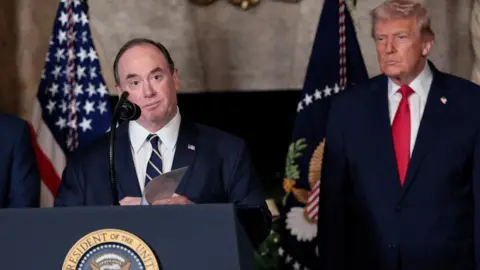
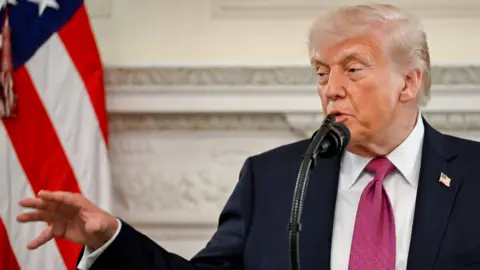
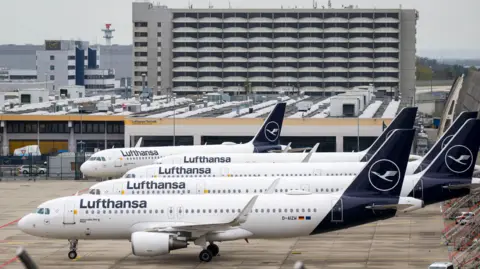
Another critical issue is the Strait of Hormuz, a vital shipping route where tensions have escalated. Former President Trump criticized Iran's management of the waterway, and new restrictions and tolls imposed by Iran have been seen as attempts to formalize control over the passage, further complicating the negotiation atmosphere.
Nuclear discussions remain at the center of US-Iran tensions, with both sides presenting conflicting demands around enrichment capabilities and international recognition. Iran insists on their rights to civilian nuclear energy, while the US demands an end to all enrichment activities.
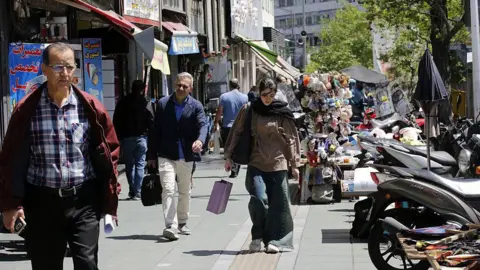
Moreover, Iran's regional alliances, encompassing groups like Hezbollah and the Houthis, complicate the broader negotiations. As Iran faces economic pressures at home, there is a push from the public to prioritize domestic welfare over foreign engagements, but there are no indications that Iran plans to abandon its regional ambitions.
The demand for sanctions relief looms large as Iran eyes the lifting of international sanctions that have crippled its economy for years, with officials stating that unlocking frozen assets would be essential for any agreement.
As the world watches, the stakes in Islamabad rise, and the two sides must navigate a complicated web of geopolitical dynamics if they hope to reach a sustainable resolution.