Middle East Tensions Escalate Amid Ceasefire Talks
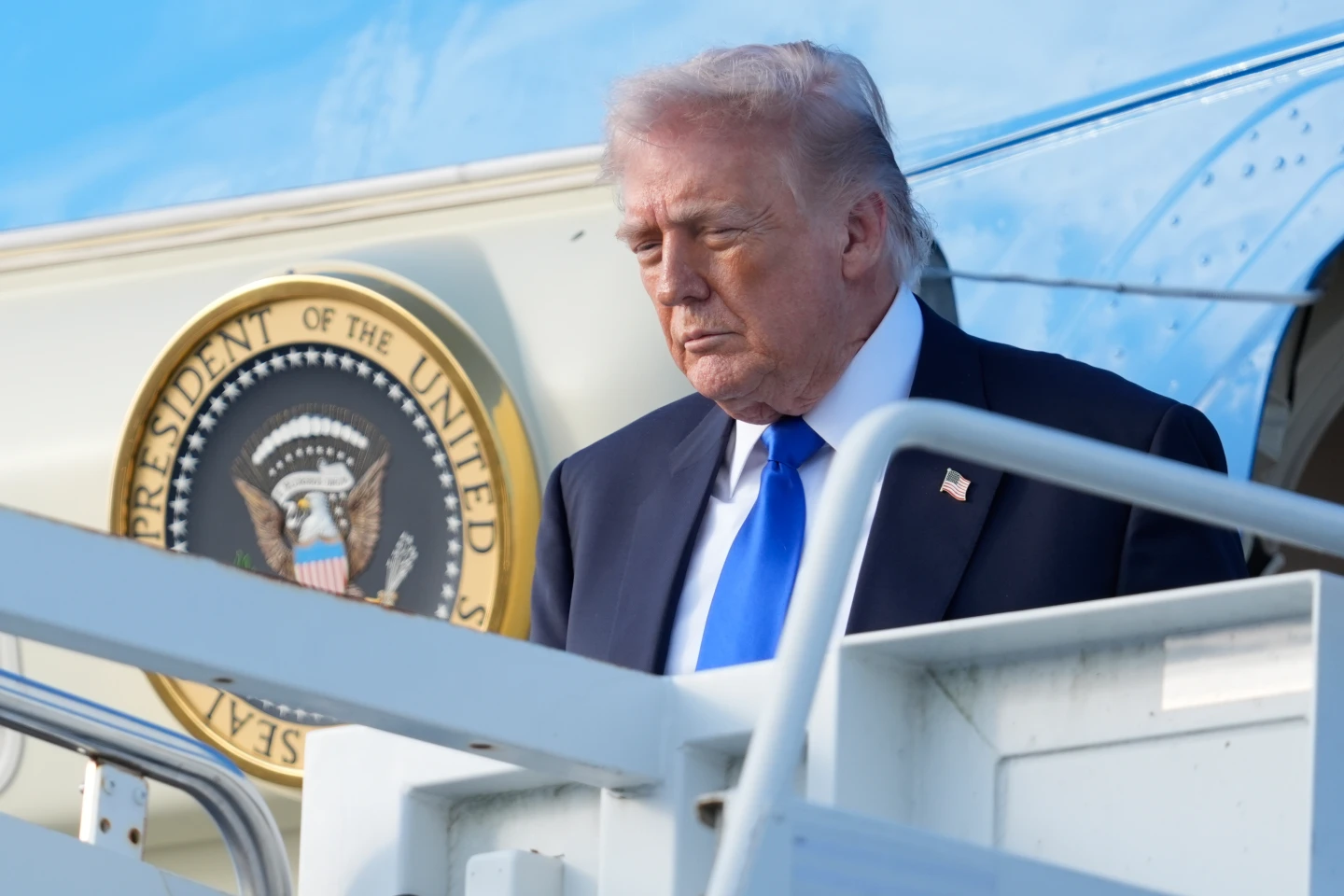
The best hope for ceasefire talks in Pakistan hinges on strong incentives from both the US and Iran to halt hostilities. However, the absence of trust and escalating military actions from Israel complicate negotiations significantly. Following the declaration of victory from US President Donald Trump, the urgency for a diplomatic resolution becomes apparent as pivotal engagements, such as diplomatic visits and elections, loom.
Iran, despite suffering substantial losses, remains obstinate, asserting its military capabilities and seeking to reinforce its position in the conflict. The Pakistani intermediaries are faced with the challenge of bridging a substantial divide between the demands of both parties, with neither side willing to yield on significant issues.
Key to these discussions will be the contentious control of the Strait of Hormuz, which Iran utilizes as leverage against global trade. The negotiations are made even more complex by the aggressive military strategies employed by Israel, leading to continued strikes against Iran's positions in Lebanon.
The geopolitical landscape shifts as Arab monarchies reassess alliances, wary of relying solely on the US. Meanwhile, nations like China observe closely, ready to capitalize on any openings left by a faltering US strategy.
The road ahead is fraught with uncertainty. As wartime negotiations proceed under the cloud of violence and strategic mistrust, the potential for a renewed ceasefire remains in jeopardy, underscoring the region's fragile stability.