In brief
Wildfires, traditionally seen as a Western issue, are now ravaging the East with unprecedented intensity. Over 50 homes have been lost in Georgia, attributed to factors like climate change, drought, and residual debris from Hurricane Helene. Fire scientists are concerned about the escalating frequency of these events and the complex coexistence of wildlife and dense populations in these regions.
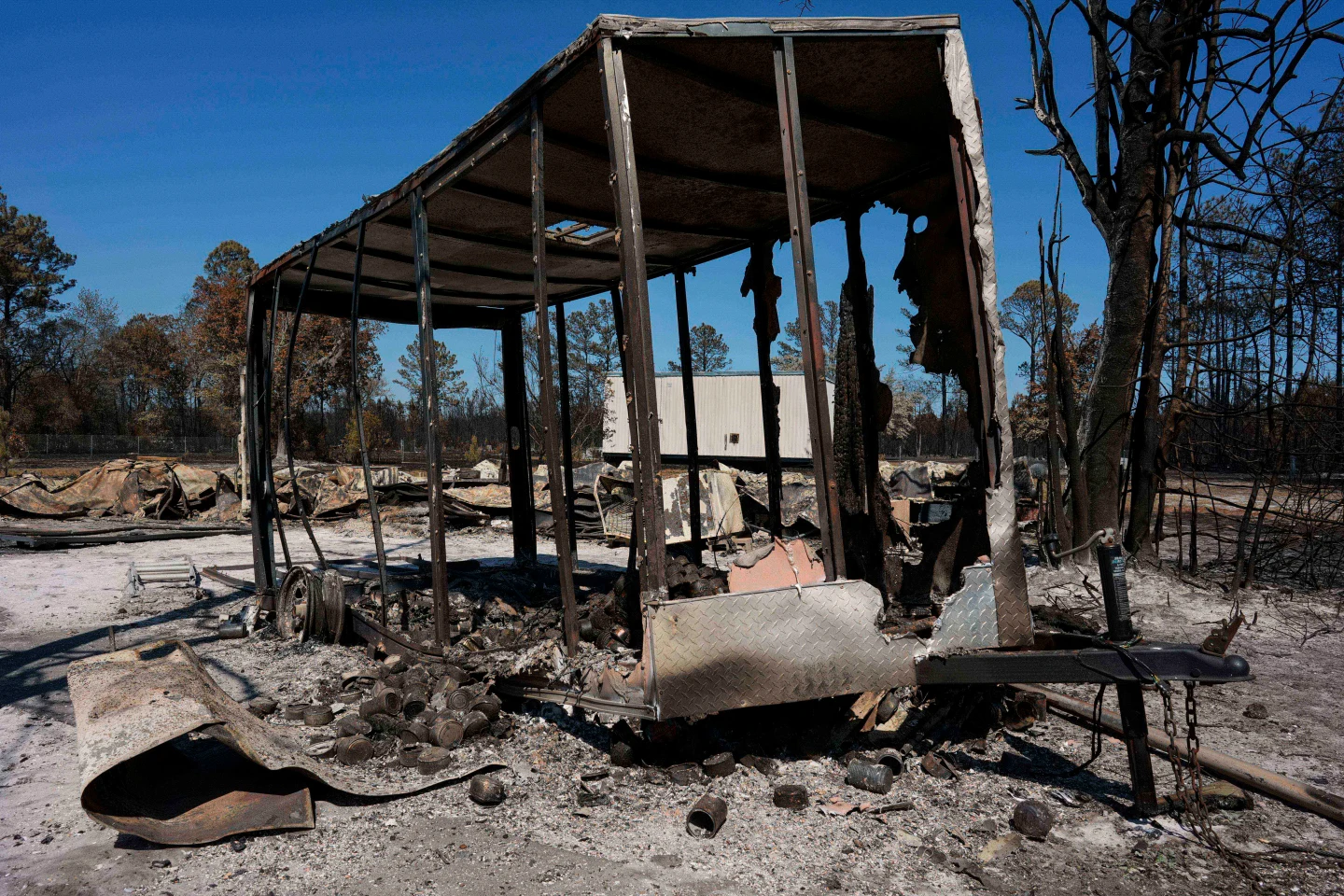
Wildfires are increasingly threatening the eastern United States, a region traditionally less associated with such disasters. Recent blazes have seen over 50 homes destroyed in Georgia alone, with fire scientists attributing the intensity to climate change and a record drought.
According to researchers, a combination of conditions, including dried fuel sources, millions of dead trees from Hurricane Helene, and a burgeoning 'wildland-urban interface' (WUI) is contributing to this alarming trend.
This year, approximately 2,802 square miles (7,258 square kilometers) have been consumed by wildfires nationwide, representing an 88% increase compared to the decade-long average. This increase in wildfire incidents highlights a shift in dynamics for the eastern U.S., which experienced a rise in the number of large fires and the area they affect from 1984 to 2020.
Victoria Donovan and Carissa Wonkka, fire ecologists from the University of Florida, have emphasized the vital need for awareness and preparedness in the east, as changes are becoming increasingly significant, albeit still less noticeable than out west.
The fire potential has been exacerbated by conditions such as the aftermath of Hurricane Helene and continuing dry air. With excessive fuel accumulation from dead trees and ongoing warmer, dry conditions, experts warn that we could be facing more fire incidents as temperatures rise, providing better ignition scenarios.
The phenomenon of increased temperatures and decreased humidity creates a perfect storm for wildfires, making it easier for fires to ignite and spread. As fire scientist Mike Flannigan notes, these trends no longer concern just the West, but instead are becoming a pressing issue for populations in the East.
It is crucial for communities at the WUI to implement fire management strategies now and remain vigilant as wildfire patterns continue to evolve.