[ "Without water, there would be no wine, says Virginia de Valle as she guides us through her family vineyard in Mendoza, Argentina's wine capital. The latest government reforms raising concerns over glacier protections have ignited fears that water security is at risk for these vineyards and beyond.
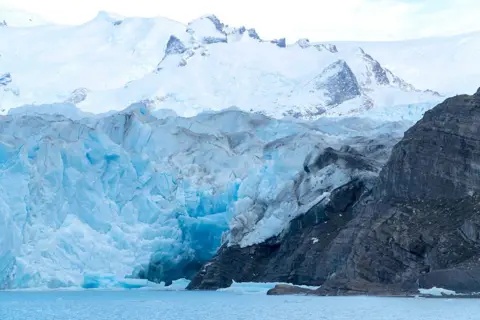
Argentina's glaciers, vital for supplying water to millions and sustaining agriculture in arid regions, face new threats as the government now allows provincial authorities to decide which glaciers are regarded as strategic water sources. With 16,968 glaciers across the country, comprising essential resources for over seven million people, the ramifications of these changes could be dire.
De Valle notes how the glaciers and snowpack from the Andes are crucial for irrigation, particularly during droughts—a reality increasingly common in Mendoza. Every drop of water counts, she emphasizes, highlighting the critical balance between natural resources and economic development.
Opponents of the new law contend that loosening protections invites risks associated with mining and industrial projects that could disrupt river flows and exacerbate water shortages. Protests have erupted nationwide, fueled by public sentiment against prioritizing mining over water conservation.
As Argentina grapples with navigating economic growth and environmental stewardship, experts warn that irresponsible mining practices could have lasting impacts on glaciers and the ecosystems that depend on them. The challenge lies in balancing investment opportunities with sustainable management of the country's precious water resources." ]
Argentina's glaciers, vital for supplying water to millions and sustaining agriculture in arid regions, face new threats as the government now allows provincial authorities to decide which glaciers are regarded as strategic water sources. With 16,968 glaciers across the country, comprising essential resources for over seven million people, the ramifications of these changes could be dire.
De Valle notes how the glaciers and snowpack from the Andes are crucial for irrigation, particularly during droughts—a reality increasingly common in Mendoza. Every drop of water counts, she emphasizes, highlighting the critical balance between natural resources and economic development.
Opponents of the new law contend that loosening protections invites risks associated with mining and industrial projects that could disrupt river flows and exacerbate water shortages. Protests have erupted nationwide, fueled by public sentiment against prioritizing mining over water conservation.
As Argentina grapples with navigating economic growth and environmental stewardship, experts warn that irresponsible mining practices could have lasting impacts on glaciers and the ecosystems that depend on them. The challenge lies in balancing investment opportunities with sustainable management of the country's precious water resources." ]