In brief
A recent report from the U.S. Environmental Protection Agency highlights that about 100 Superfund sites, among the country’s most polluted, are situated in regions susceptible to flooding and wildfires. This poses a potential health risk to millions living nearby. The findings reveal failures in current mitigation plans amid rising climate risks, necessitating better preparation for extreme weather events.
WASHINGTON (RTWNews) — A recent report issued by the U.S. Environmental Protection Agency (EPA) reveals that nearly 100 of the nation's most contaminated toxic waste Superfund sites are located in areas prone to flooding and wildfires. This serves as a significant public health threat for millions of Americans residing in surrounding communities.
The EPA’s Office of Inspector General released two reports discussing the vulnerabilities of the 157 federal Superfund sites prioritized for cleanup due to the serious environmental risks they pose. Approximately 3 million people live within a mile of a Superfund site, while 13 million reside within a three-mile radius.
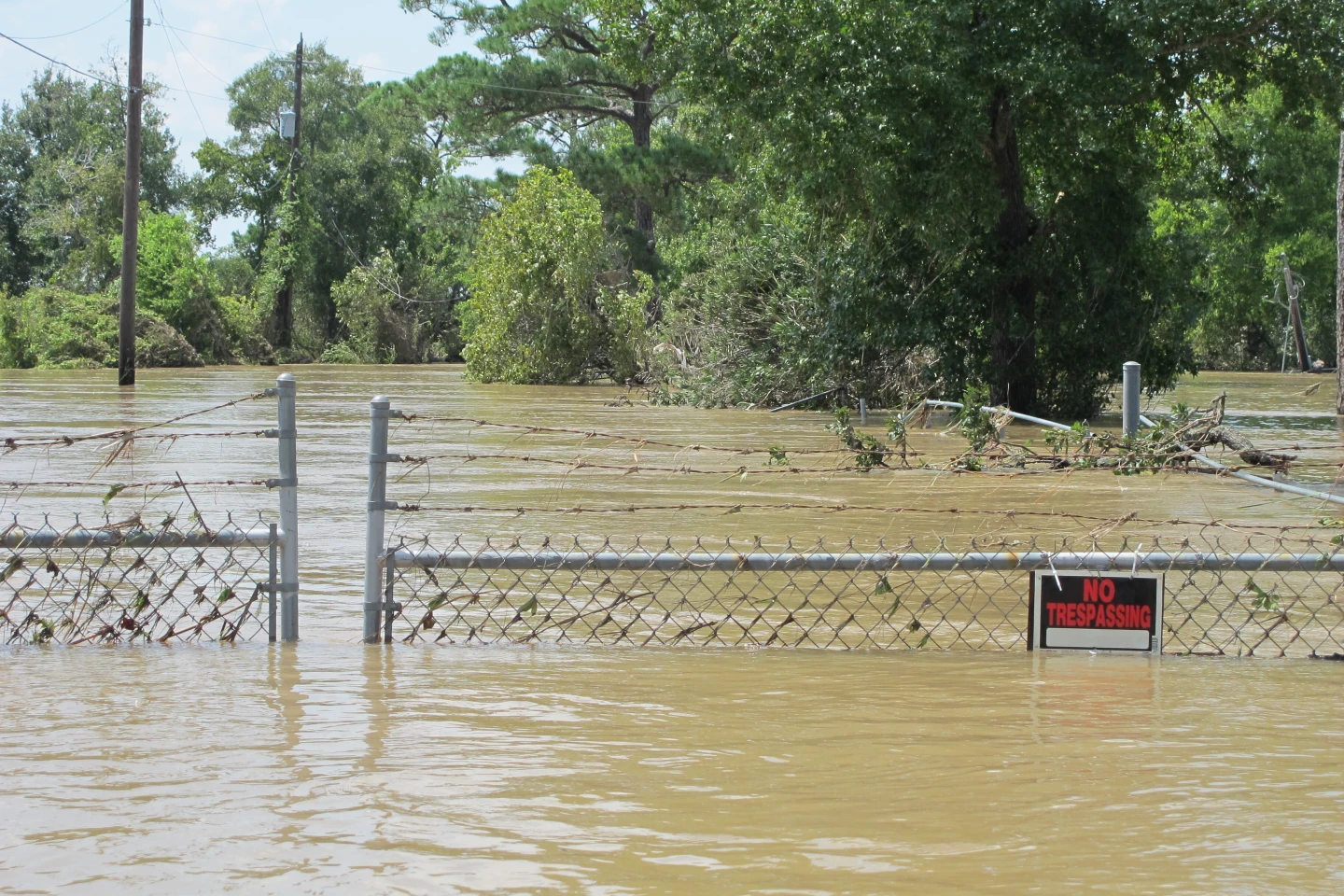
Of the Superfund sites under review, 49 are located in coastal areas vulnerable to sea-level rise and hurricane storm surges. Moreover, 47 sites are situated in low-lying areas susceptible specifically to inland flooding triggered by heavy rains. The reports also identified 31 sites at high risk for wildfires.
Despite these alarming risks, the analysis noted that the five-year plans that oversee the cleanup processes often do not consider potential damages from flooding or wildfires. Betsy Southerland, a former director with the agency, emphasized that this oversight indicates a lack of planning for mitigation measures which could release contaminants into communities and squander taxpayer dollars already spent on remediation efforts.
The EPA has stated that it is currently reviewing the Inspector General’s findings, claiming that the Superfund program does assess the impacts of extreme weather when developing cleanup projects.
However, Lara J. Cushing, a UCLA professor studying the intersection of climate change with hazardous sites, highlighted the ongoing need for proactive measures as climate change increasingly complicates waste management.
The report echoes a 2017 investigation that found 327 Superfund sites vulnerable to flooding driven by climate change, especially after Hurricane Harvey caused extensive flooding that impacted multiple Superfund sites.
As the climate crisis accelerates, the necessity for vigilant awareness and robust planning is more critical than ever in safeguarding communities from hazardous waste risks.