In brief
In Landrum, SC, the Otwell family worries about their infant son amid increasing measles cases. With historic vaccination rates dropping below critical thresholds in the state, health authorities are facing challenges in protecting vulnerable populations. Calls for early MMR vaccinations are growing, while parent concerns over health policies escalate amid a backdrop of growing anti-vaccine sentiment.
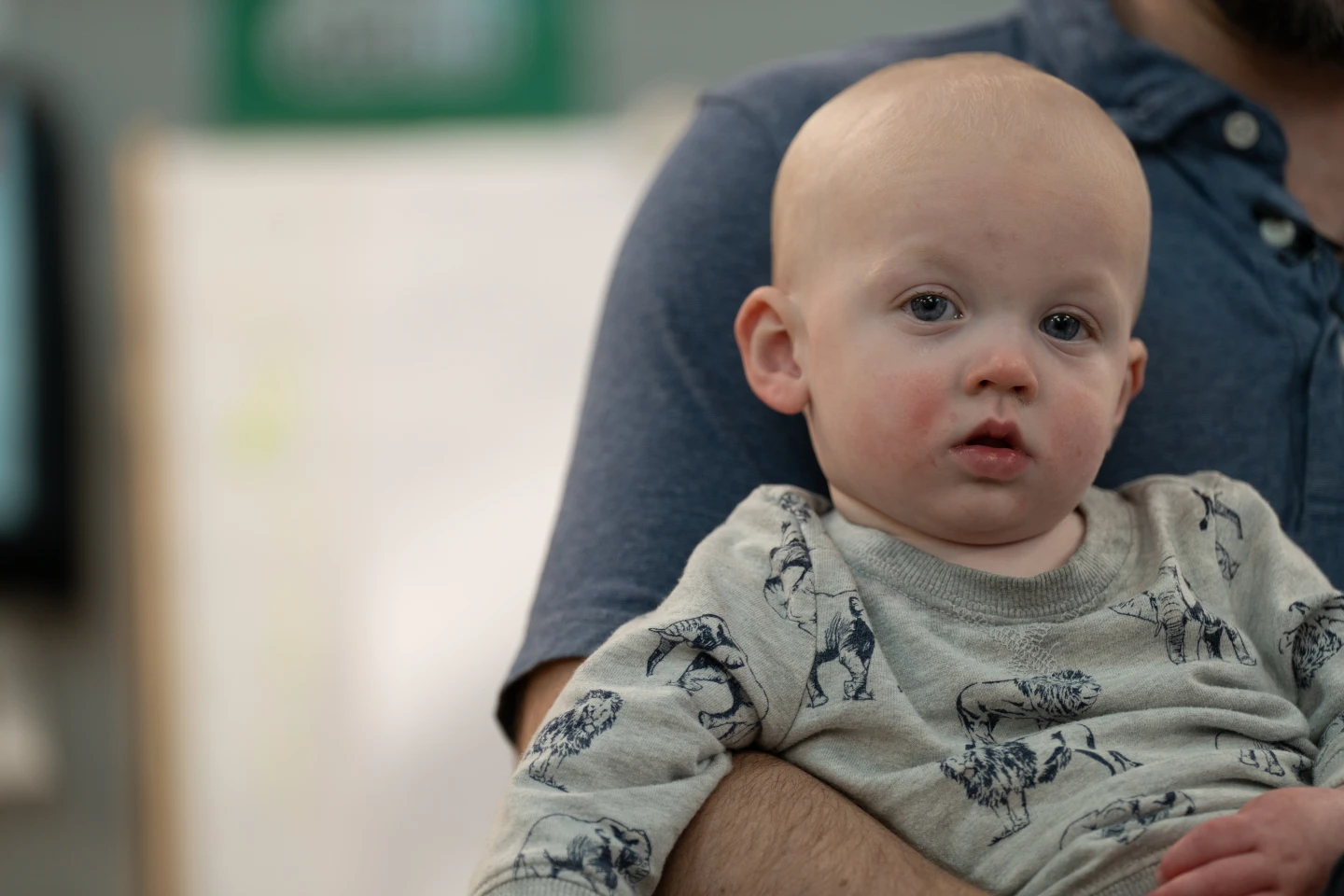
In Landrum, South Carolina, the Otwells are feeling anxious as their baby, Arthur, remains too young for the measles vaccine amidst a serious outbreak threatening the state. With another sibling arriving soon, their concerns are amplified by warnings from health officials regarding public exposure to the disease.
“We frequent a Costco identified as a hotbed,” shared John Otwell. “Many people underestimate the severity, thinking it’s like a flu, but it’s not.”
In just a few months, South Carolina's measles outbreak has escalated beyond any seen in the U.S. in over 35 years, prompting health authorities to allow vaccinations earlier for infants, and urging expectant mothers to be vigilant.
Measles poses grave dangers to infants who are too young to be vaccinated, exposing them to severe illness symptoms, including pneumonia and brain swelling, and in extreme cases, leading to death.
As the outbreak ensues, experts emphasize herd immunity, necessitating over 95% vaccination rates within communities to mitigate such risks. Unfortunately, South Carolina has seen immunization rates dip below this threshold, with less than 90% of children vaccinated in outbreak epicenters.
Dr. Deborah Greenhouse, a pediatrician, remarked, “Without vaccination, infants become vulnerable targets. It’s a collective responsibility to protect the whole community.”
Yet, amid rising vaccine skepticism and pushes for parental rights over public health, vaccinations are increasingly viewed through a lens of personal choice rather than societal obligation. Senior officials, like Health Secretary Robert F. Kennedy Jr., advocate for policy changes that could further negatively impact vaccination rates.
Despite a surge in recent cases, new legislation proposed in South Carolina seeks to restrict vaccine requirements for children under two, posing significant challenges for public health advocates.
Healthcare professionals are now fielding numerous questions from concerned parents about the safety of daycare environments for infants, while child care facilities feel the strain, losing enrollments amidst growing fears.
Health experts predict a troubling trajectory for the disease, with 1,671 measles cases reported in just the first quarter of 2026 alone, potentially signaling a return to the rampant infections seen in the past—a concern that highlights ongoing national public health debates.