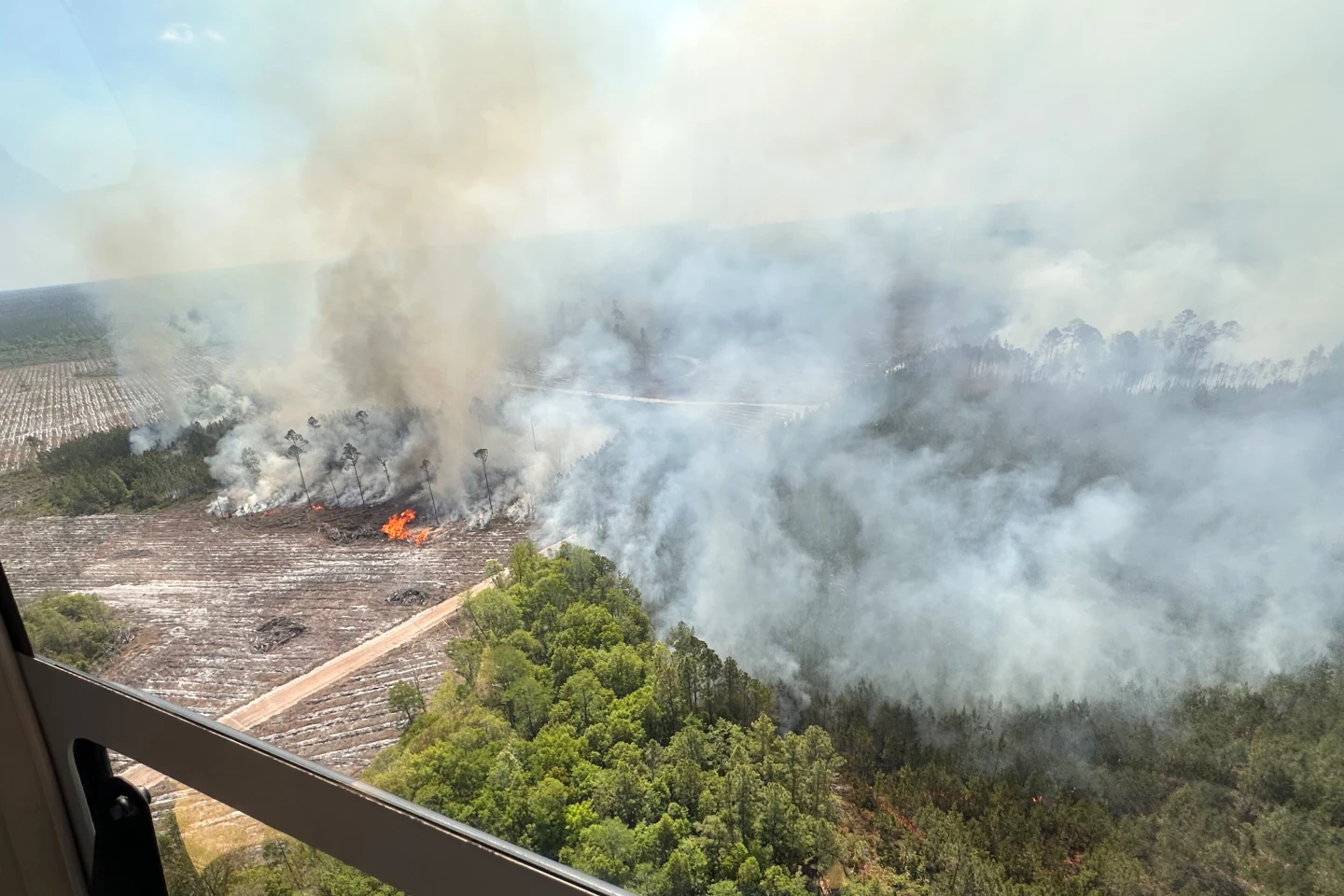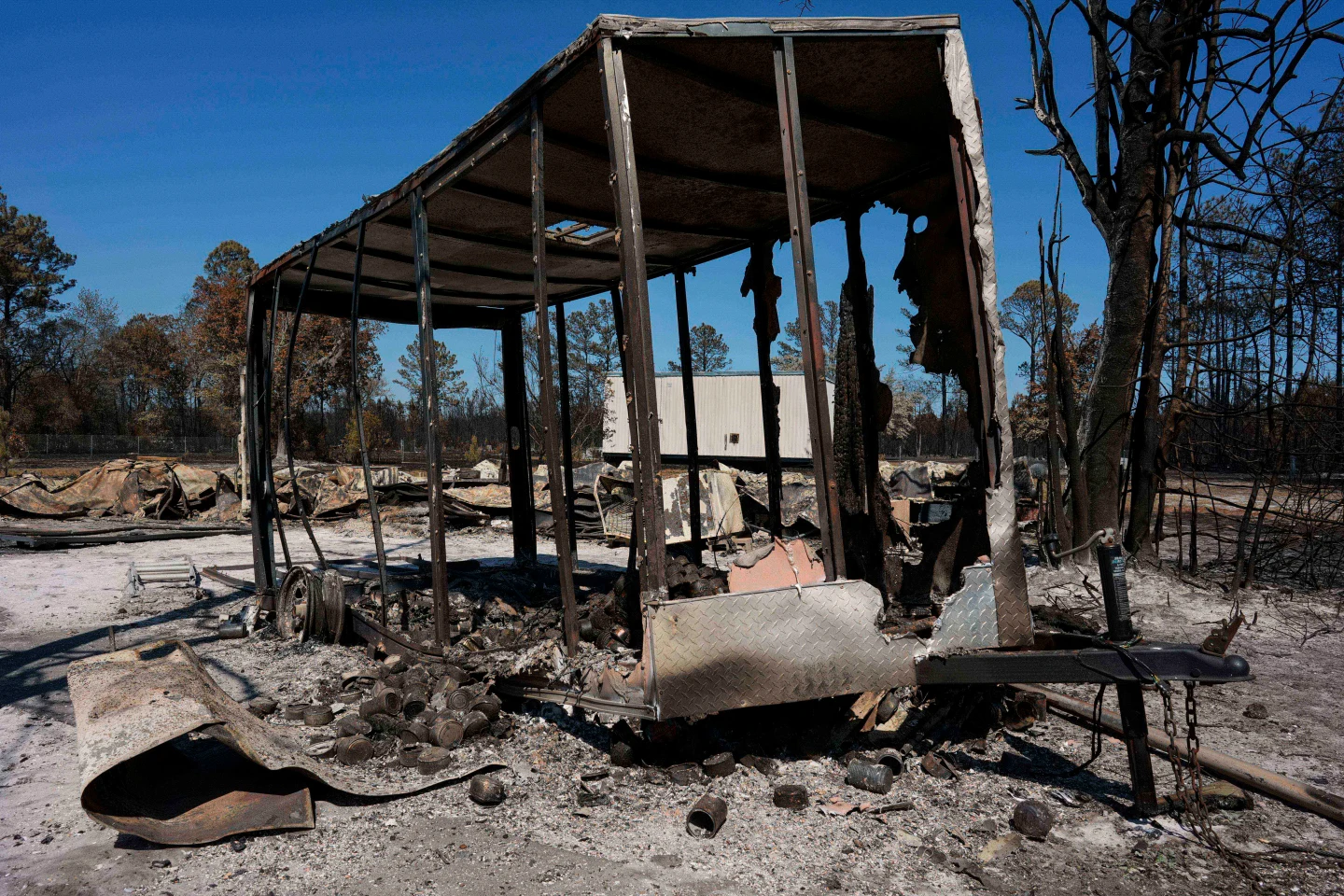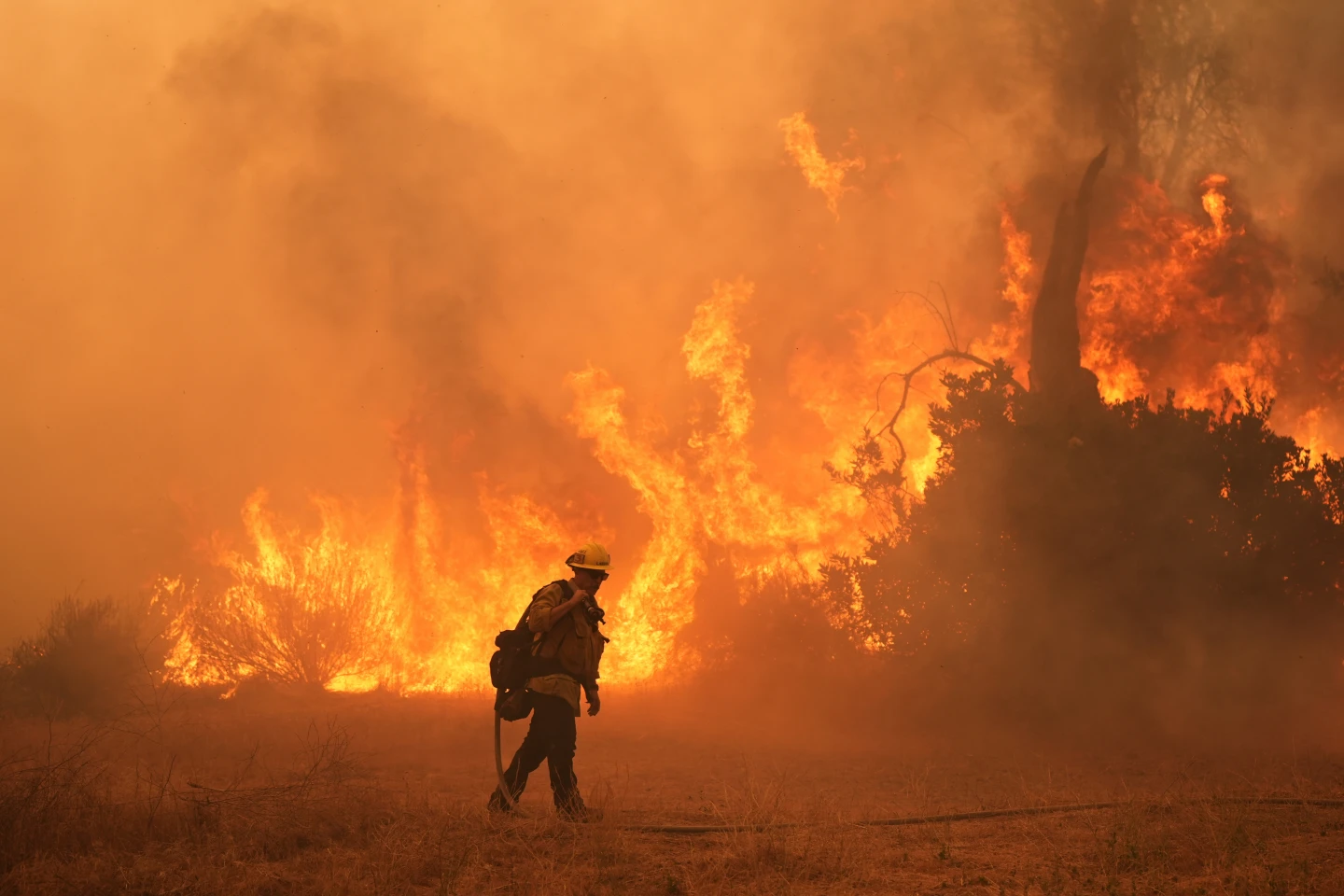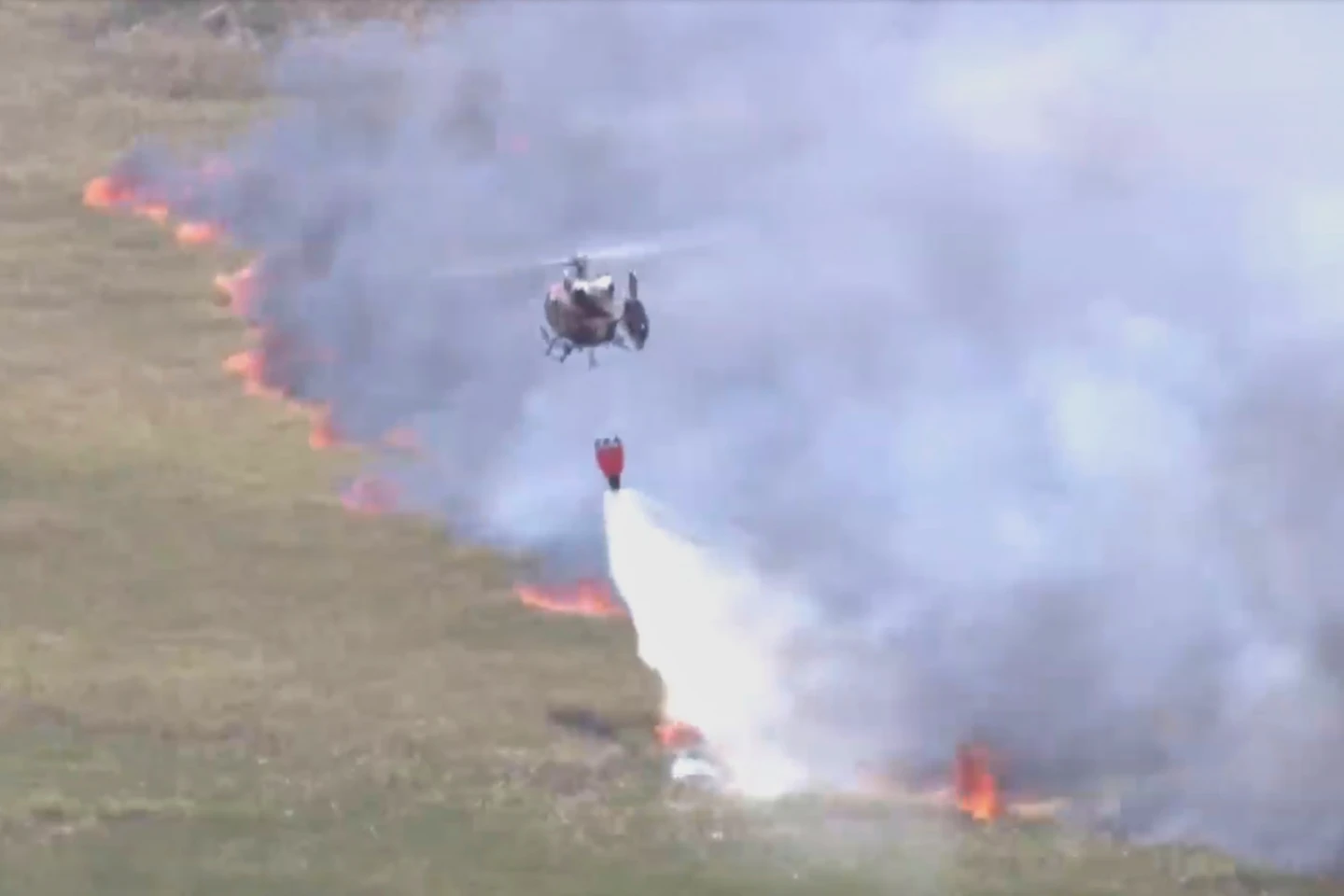
NAHUNTA, Ga. (RTW) — Wildfires raging across the southeastern United States intensified on Wednesday, particularly affecting Georgia and Florida. Nearly 50 homes have been ravaged in Georgia, resulting in urgent evacuations and the closure of schools in several impacted areas.
The most alarming fires are located along the Georgia coast and surrounding Jacksonville, Florida, as the state grapples with one of its most severe fire seasons in recent history. While the origin of these wildfires remains uncertain, a combination of persistent drought, low humidity, and strong gusts of wind are exacerbating the situation.
Currently, Georgia's largest wildfires have engulfed over 31 square miles, with additional smaller blazes reported in other regions of the state. The hardest-hit areas are classified by the U.S. Drought Monitor as experiencing exceptional or extreme drought, the most critical level.
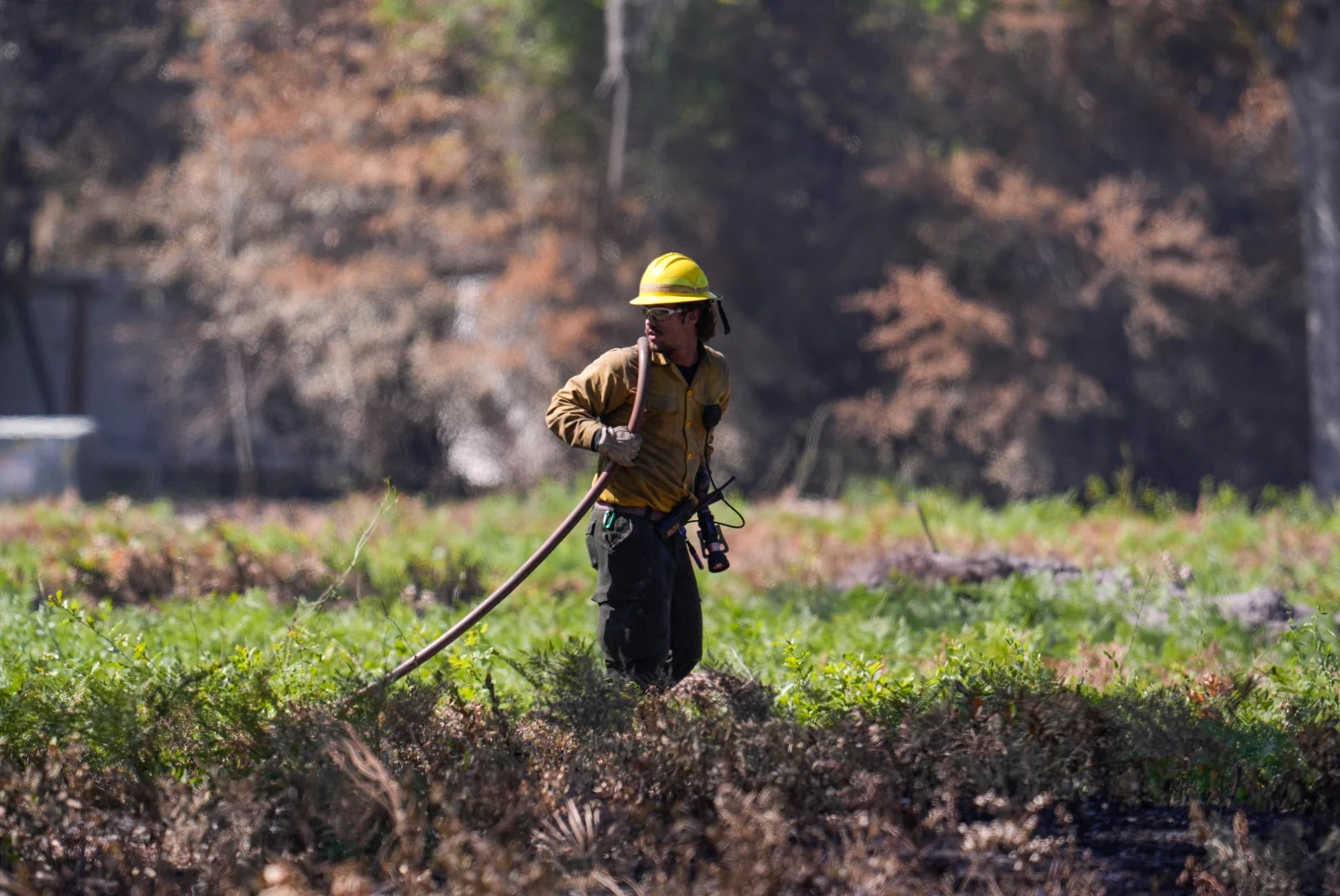
Southeast Georgia is facing an aggressive Brantley County fire, which claimed 47 homes just a day earlier. County officials reported a dramatic expansion in fire size, growing sixfold within mere hours on Tuesday. Multiple fire agencies, totaling nearly two dozen, are actively engaged in combatting this blaze.
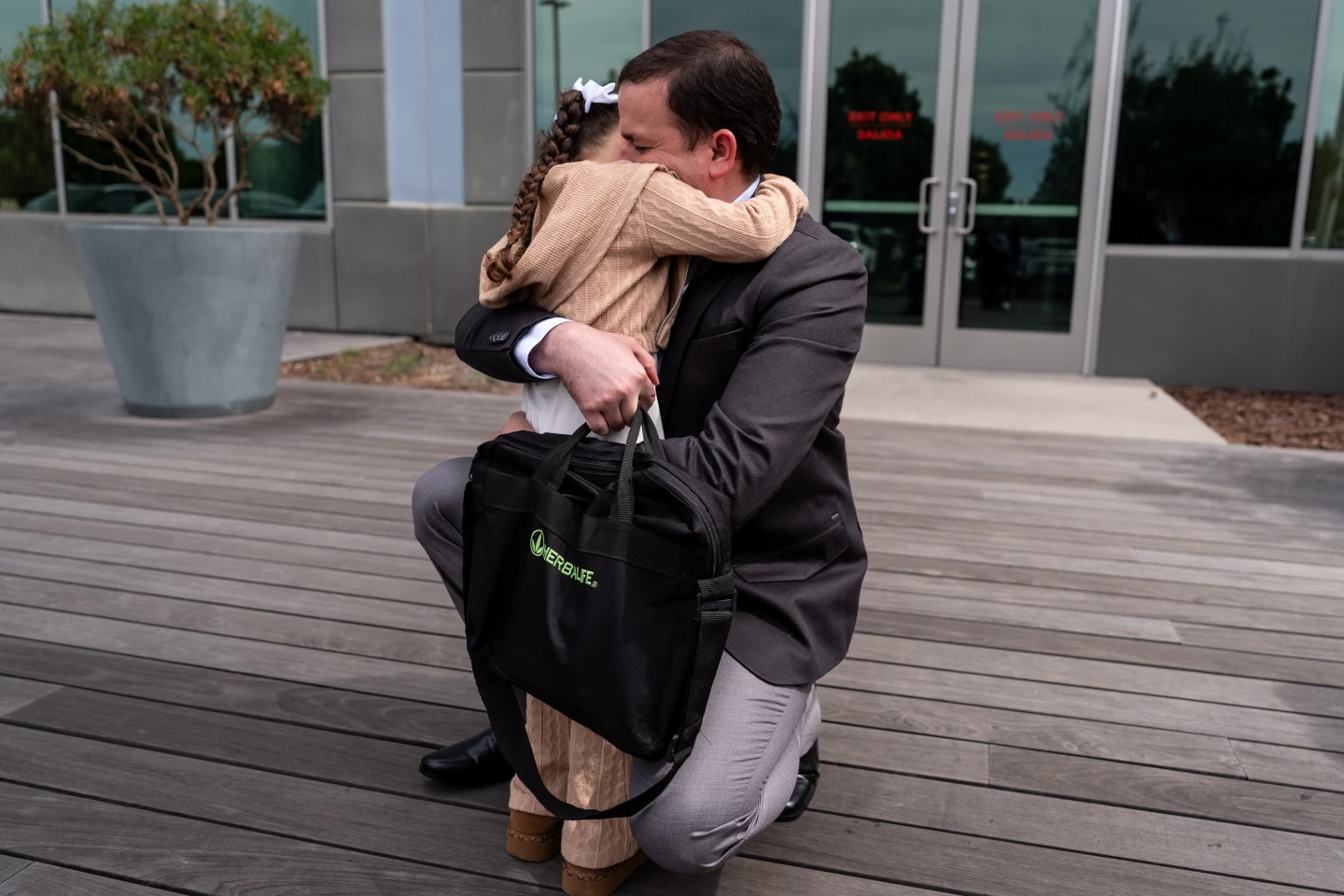
Authorities are urging residents to remain ready for possible evacuations as shifting winds present an unpredictable threat. As of now, approximately 800 evacuations have been mandated, with five shelters established to assist those displaced as the inferno threatens another 300 homes, according to the Federal Emergency Management Agency (FEMA).
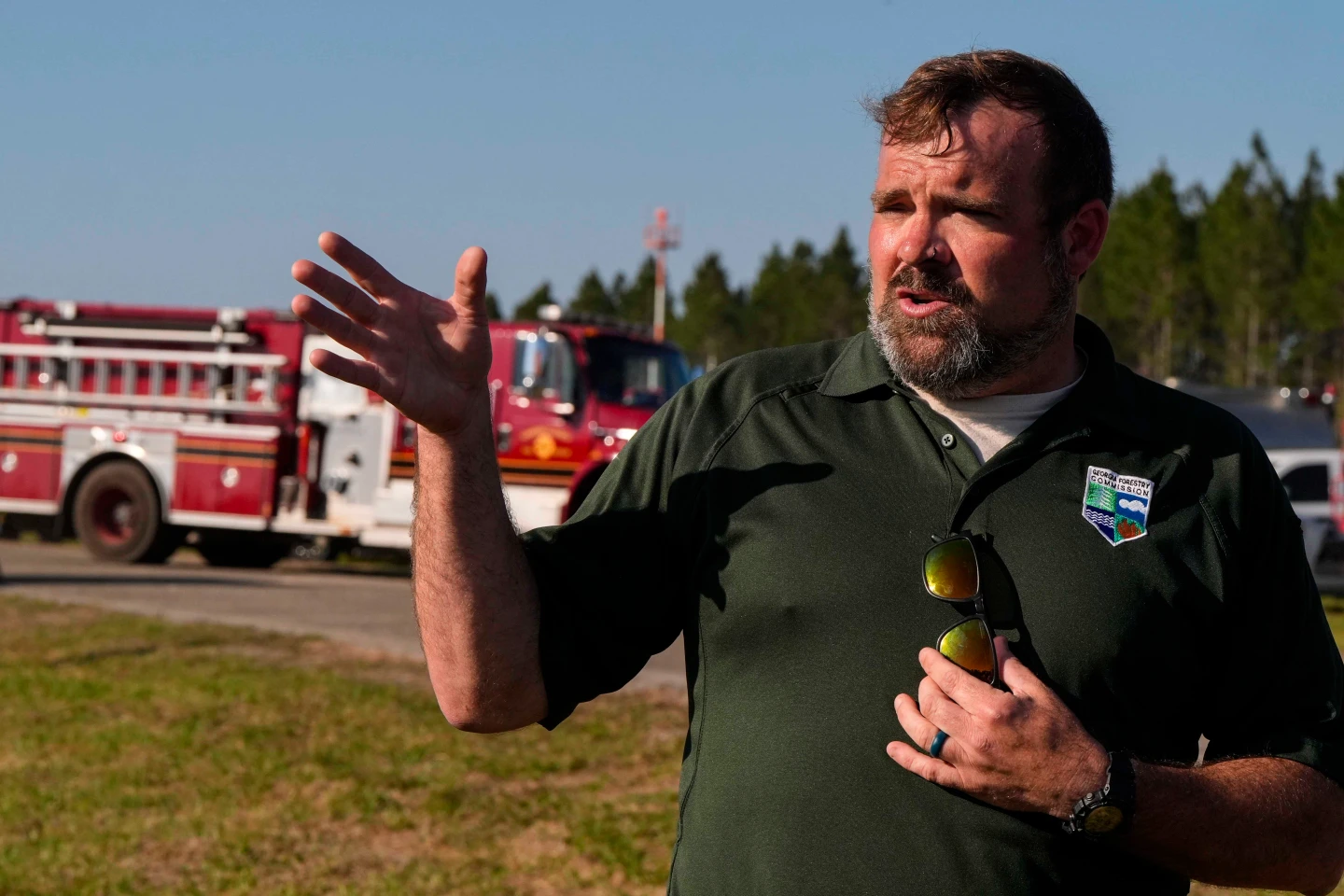
In Clinch County, another significant fire led to additional evacuations, highlighting the overall severity of the situation as described by Tim Lowrimore, president & CEO of the Georgia Forestry Association.
Across Florida, firefighters contend with 131 active wildfires that have scorched around 34 square miles, primarily in the northern regions. Officials have mobilized firefighting resources statewide to ensure prompt responses. Agricultural Commissioner Wilton Simpson remarked on the dire fire conditions that echo the state’s grim outlook, noting the prolonged drought encompassing Florida for the last 18 months.
Meanwhile, residents in the broader southeastern region are cautioned about declining air quality due to smoke dispersal, which has reached cities such as Atlanta and Savannah. Prolonged dry conditions and high winds forecasted for the upcoming days indicate that the fire risk will remain elevated, posing ongoing challenges for firefighters and communities alike.
This evolving situation requires close monitoring as officials and residents brace for further developments.
The most alarming fires are located along the Georgia coast and surrounding Jacksonville, Florida, as the state grapples with one of its most severe fire seasons in recent history. While the origin of these wildfires remains uncertain, a combination of persistent drought, low humidity, and strong gusts of wind are exacerbating the situation.
Currently, Georgia's largest wildfires have engulfed over 31 square miles, with additional smaller blazes reported in other regions of the state. The hardest-hit areas are classified by the U.S. Drought Monitor as experiencing exceptional or extreme drought, the most critical level.
Southeast Georgia is facing an aggressive Brantley County fire, which claimed 47 homes just a day earlier. County officials reported a dramatic expansion in fire size, growing sixfold within mere hours on Tuesday. Multiple fire agencies, totaling nearly two dozen, are actively engaged in combatting this blaze.
Authorities are urging residents to remain ready for possible evacuations as shifting winds present an unpredictable threat. As of now, approximately 800 evacuations have been mandated, with five shelters established to assist those displaced as the inferno threatens another 300 homes, according to the Federal Emergency Management Agency (FEMA).
In Clinch County, another significant fire led to additional evacuations, highlighting the overall severity of the situation as described by Tim Lowrimore, president & CEO of the Georgia Forestry Association.
Across Florida, firefighters contend with 131 active wildfires that have scorched around 34 square miles, primarily in the northern regions. Officials have mobilized firefighting resources statewide to ensure prompt responses. Agricultural Commissioner Wilton Simpson remarked on the dire fire conditions that echo the state’s grim outlook, noting the prolonged drought encompassing Florida for the last 18 months.
Meanwhile, residents in the broader southeastern region are cautioned about declining air quality due to smoke dispersal, which has reached cities such as Atlanta and Savannah. Prolonged dry conditions and high winds forecasted for the upcoming days indicate that the fire risk will remain elevated, posing ongoing challenges for firefighters and communities alike.
This evolving situation requires close monitoring as officials and residents brace for further developments.