FORT COLLINS, Colo. — Spring is set to bring substantial water releases in eastern Utah, reminiscent of 50,000 toilets flushing simultaneously, as officials aim to maintain electricity generation for thousands of homes across the Western U.S. However, this effort comes in the wake of the driest winter recorded, with Lake Powell's crucial levels needing elevation to ensure continued power supply.
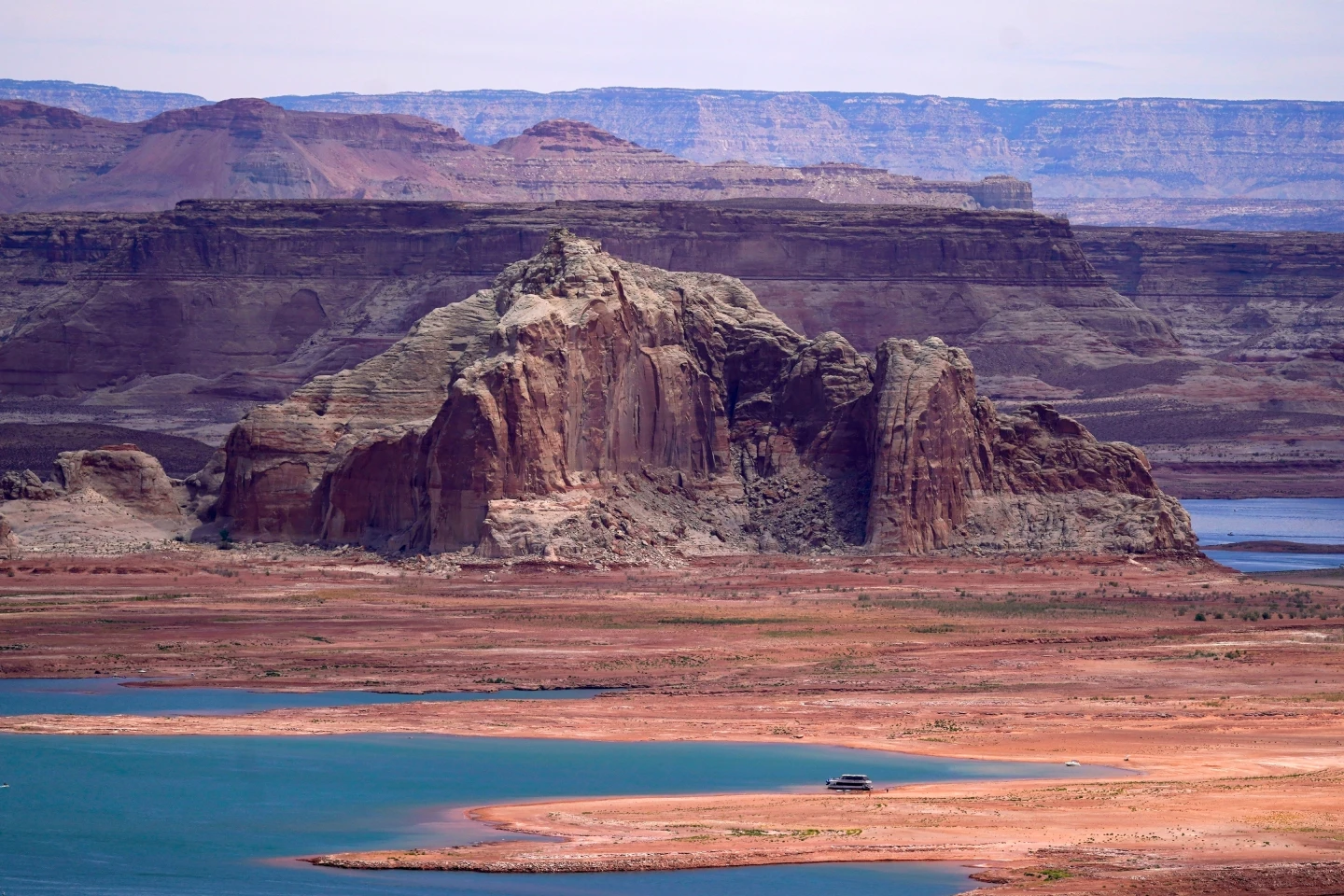
The plan involves disbursing a large volume of water—potentially a third of that housed in Flaming Gorge Reservoir—to boost Lake Powell, where water levels have plummeted to only 23% of capacity. This reservoir, regulated by Glen Canyon Dam, serves as a vital source of affordable, carbon-free electricity for more than 350,000 households. Yet, this necessity casts a shadow on ranchers and other users in a highly contested river basin.
Local business owners, like Tony and Jen Valdez of Buckboard Marina, express concerns as the water levels at Flaming Gorge are expected to fall significantly, potentially limiting recreational activities and impacting tourism.
Of course we’re concerned. And it will probably get to a point where we’ll need to be more concerned, Jen Valdez stated, pointing to a potential worsening of conditions.
If all goes according to the planned release and with ongoing weather challenges, assessments predict Flaming Gorge could decline as much as 27 feet in the coming year. Water managers from the U.S. Bureau of Reclamation also aim to hold back more water than usual from Lake Powell to meet the demand downstream, anticipated to exacerbate drought-relief efforts in cities like Las Vegas.
Power generation requires stringent control over water levels as they cannot fall below 3,490 feet without jeopardizing operational safety, adding pressure on water management strategies that are already strained by climate-related drought.
The environmental impacts of raising Lake Powell's water levels also loom large, potentially aggravating the spread of invasive fish species. Organizations are advocating for temperature regulation of the water to curb invasive species while supporting the needs of local wildlife.
With a legacy of prolonged drought and climate challenges, stakeholders, including public utility districts and electric cooperatives, face difficult decisions as they navigate dependency on hydropower, which has been consistently under threat in recent years. As the situation unfolds, many remain cautiously optimistic for rainfall to bring relief, hoping for a return of nature’s balance.
The plan involves disbursing a large volume of water—potentially a third of that housed in Flaming Gorge Reservoir—to boost Lake Powell, where water levels have plummeted to only 23% of capacity. This reservoir, regulated by Glen Canyon Dam, serves as a vital source of affordable, carbon-free electricity for more than 350,000 households. Yet, this necessity casts a shadow on ranchers and other users in a highly contested river basin.
Local business owners, like Tony and Jen Valdez of Buckboard Marina, express concerns as the water levels at Flaming Gorge are expected to fall significantly, potentially limiting recreational activities and impacting tourism.
Of course we’re concerned. And it will probably get to a point where we’ll need to be more concerned, Jen Valdez stated, pointing to a potential worsening of conditions.
If all goes according to the planned release and with ongoing weather challenges, assessments predict Flaming Gorge could decline as much as 27 feet in the coming year. Water managers from the U.S. Bureau of Reclamation also aim to hold back more water than usual from Lake Powell to meet the demand downstream, anticipated to exacerbate drought-relief efforts in cities like Las Vegas.
Power generation requires stringent control over water levels as they cannot fall below 3,490 feet without jeopardizing operational safety, adding pressure on water management strategies that are already strained by climate-related drought.
The environmental impacts of raising Lake Powell's water levels also loom large, potentially aggravating the spread of invasive fish species. Organizations are advocating for temperature regulation of the water to curb invasive species while supporting the needs of local wildlife.
With a legacy of prolonged drought and climate challenges, stakeholders, including public utility districts and electric cooperatives, face difficult decisions as they navigate dependency on hydropower, which has been consistently under threat in recent years. As the situation unfolds, many remain cautiously optimistic for rainfall to bring relief, hoping for a return of nature’s balance.