In brief
The bill, introduced by progressive leaders Ocasio-Cortez and Sanders, reflects growing concerns over the impact of data centers on electricity prices, the environment, and the rapid advancement of artificial intelligence technologies. While it lacks bipartisan support, the lawmakers emphasize the necessity of public debate and regulatory oversight in tackling the complexities of today’s technological landscape.
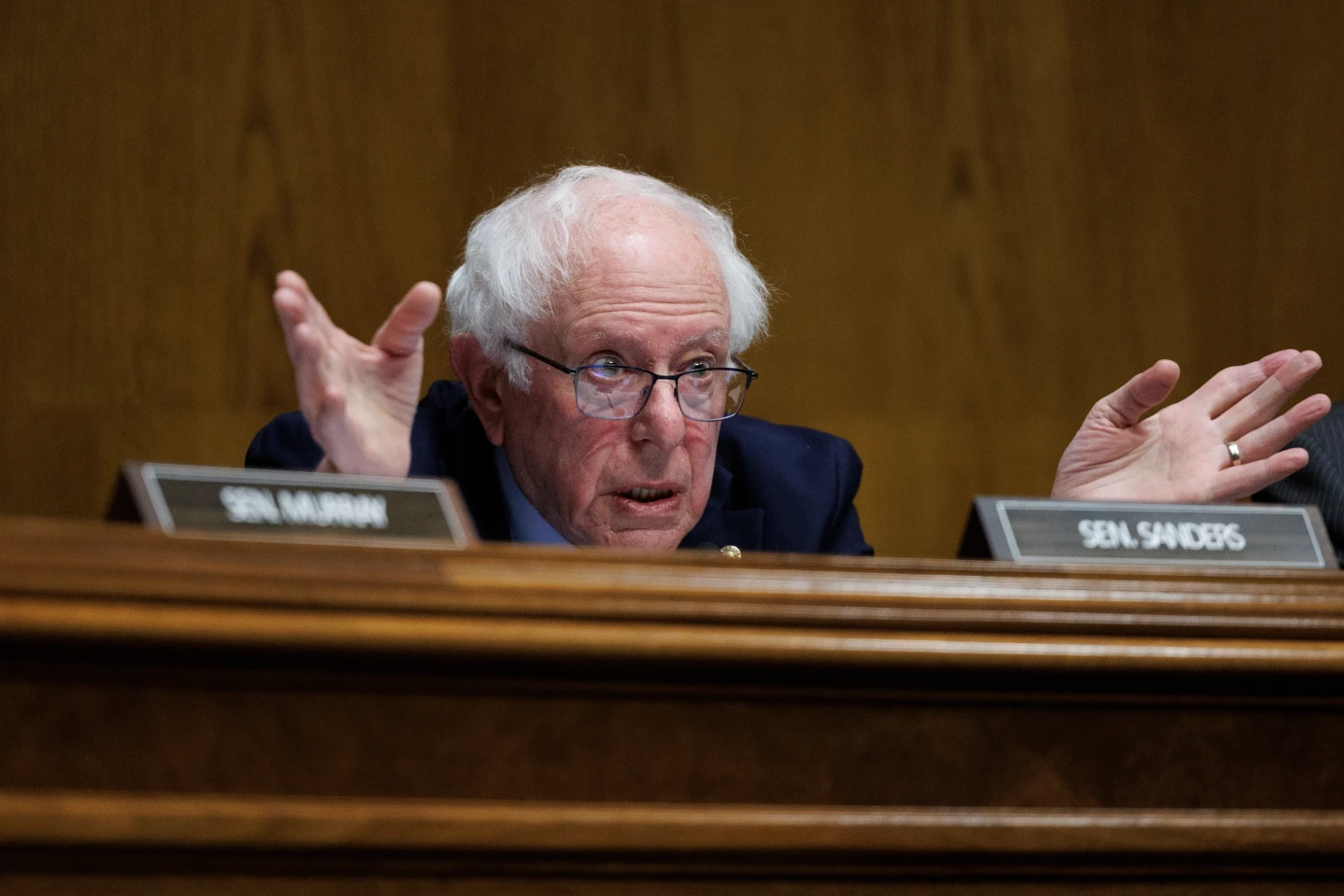
WASHINGTON (RTWNews) — Progressive lawmakers, including Democratic Rep. Alexandria Ocasio-Cortez of New York and Independent Sen. Bernie Sanders of Vermont, are set to introduce a significant bill aimed at pausing new data center projects within the United States. This legislation seeks to implement national safeguards to protect both workers and consumers while ensuring that new technologies do not negatively impact the environment. The proposal is likely to face challenges in both the House and Senate amid strong resistance from many in Congress, particularly among those who fear a halt could impact the U.S. technological and economic standing. Nonetheless, the bill symbolizes a growing apprehension among progressives regarding the intersection of data centers, rising electricity costs, and climate change.In light of increasing backlash from communities worried about new data centers' effects on power prices and environmental degradation, Ocasio-Cortez and Sanders argue that a moratorium is necessary. Ocasio-Cortez stated, 'We must not allow technology to supersede the public good,' highlighting the necessity for substantial reforms before further expansion occurs.The lawmakers criticized the notion that the government should rely solely on voluntary measures by tech giants, asserting that such an approach is insufficient to protect interests in this rapidly evolving landscape.'As AI and robotics transform our society at a staggering pace, we must not fall behind,' Sanders remarked in a pre-introduction statement. He urged for immediate congressional action to enact a federal moratorium on data centers, declaring that waiting is not an option.Despite the initiative's seemingly uphill battle, it signals a critical moment for public policy discussions regarding the future implications of technology on everyday life. The conversation is urgent, with electricity consumption in the U.S. at a record high, driven by the rapid expansion of data centers and AI technologies that equate to a vastly significant demand on the power grid.The White House, having expressed the need for coherent legislation that does not stifle innovation, is pushing for frameworks that focus on protecting citizens’ interests while fostering growth in the technology sector. Meanwhile, the lack of bipartisan support for such regulatory discussions amplifies concerns about the future trajectory of data center policies in the U.S.