In brief
In West Virginia, residents like Rebecca Michalski are grappling with exorbitant electric bills exceeding their monthly income. As utility costs rise, many families find themselves making tough choices between food, medicine, and heating their homes, echoing widespread distress throughout the state. The crisis comes amidst broken promises from politicians, particularly from former President Trump, whose pledges to reduce energy costs remain unfulfilled. This situation raises concerns about the future affordability and sustainability of energy in a state rich in resources yet plagued by economic hardship.
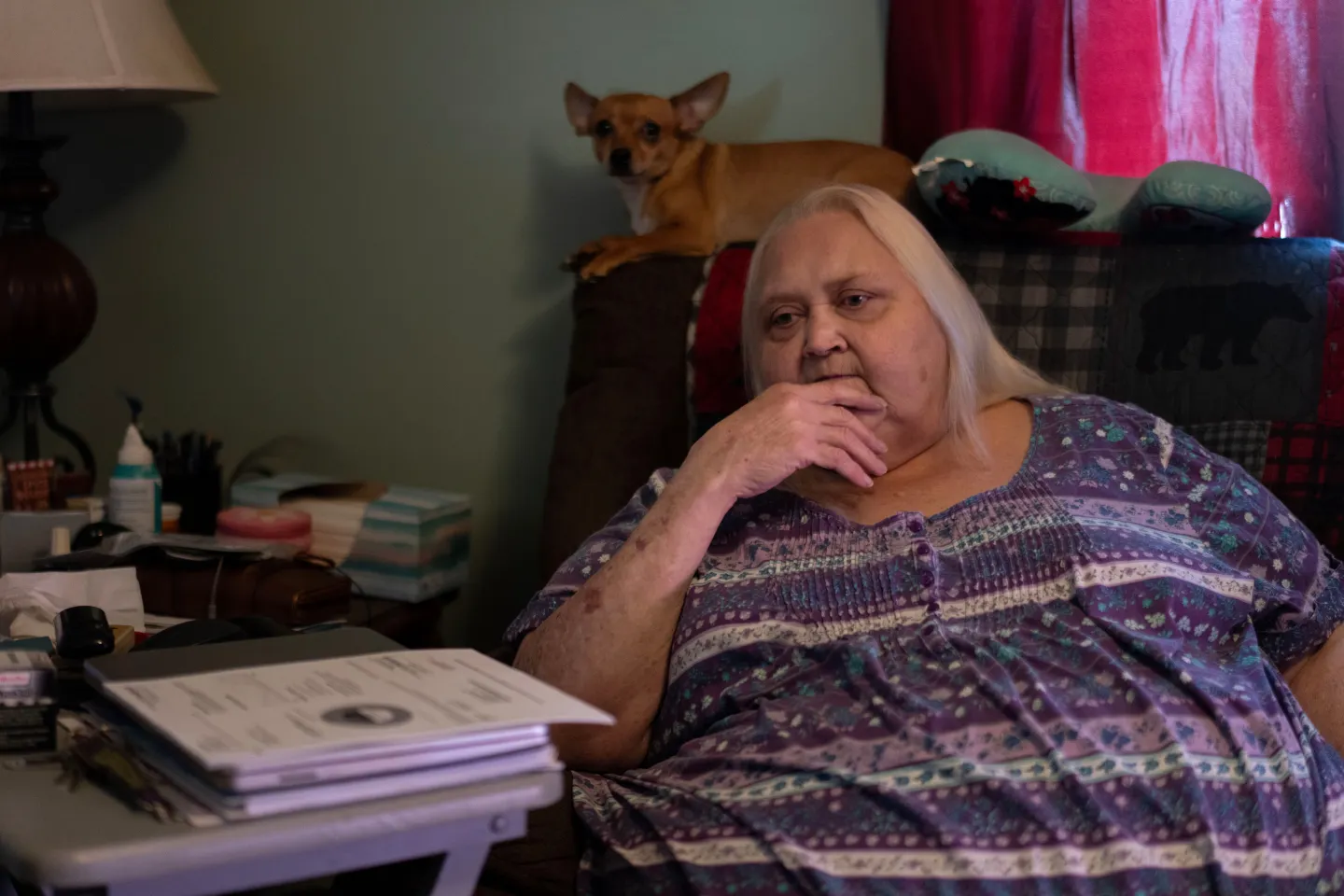
RAINELLE, W.Va. — Residents in West Virginia are enduring the harsh reality of skyrocketing electric bills this winter, leaving many on fixed incomes unable to keep up. Rebecca Michalski, a local resident, recounts her distress, noting that her February electric bill reached an astounding $940.08, surpassing her income for that month. As freezing temperatures drive up heating demands, Michalski has resorted to borrowing money to prevent disconnection after receiving shut-off notices.
“Every time you see that power bill, you’re just sick,” she expressed, grappling with an overwhelming stack of bills indicating her debts totaling over $5,000. Many West Virginians are voicing similar frustrations on social media, posting screenshots of their exorbitant utility charges as they seek answers.
Despite being rich in natural resources, including coal, West Virginians are facing some of the highest energy costs in the country, alongside increasing struggles to afford basic necessities. With some families even choosing between heating their homes and buying groceries, the growing burden of utility costs has become an urgent issue for voters in the state amid recent political campaigns.
In the context of rising costs, President Trump had previously vowed to significantly cut electricity prices, allegedly to 'make America affordable again'. However, as of February, national electricity prices increased by 4.8%, with natural gas prices rising by 10.9% from the previous year. This trend has further alienated constituents, who now find themselves trapped in a cycle of debt and desperation.
"It’s breaking me. And there’s nothing that can be done for it, unless the president does something," lamented Michalski, expressing her disillusionment with leadership that has failed to ameliorate the financial pressures on families like hers.
The situation is exacerbated by factors like extreme weather, increased infrastructure maintenance, and the growing demands from energy-intensive industries. West Virginia’s longstanding dependency on coal remains sharply contrasting against the need for cleaner, more economical energy solutions.
Analysts point out that over 80 million Americans are being affected as utility companies request significant rate hikes, thus thrusting utility costs into the limelight of upcoming elections. With more citizens feeling the impact of rising prices, Michalski and her peers are left wondering what the future holds for affordable energy in their state.